

Decorating a galley kitchen can be both exciting and challenging due to its narrow layout and limited space. However, with thoughtful design choices and strategic planning, you can transform this compact area into a stylish and functional space. Whether you’re aiming for a modern aesthetic or a cozy, traditional vibe, the right decorations and layout solutions can maximize storage, improve workflow, and make your galley kitchen feel more open and inviting. This guide explores the key aspects of how to decorate a galley kitchen.
What Is a Galley Kitchen
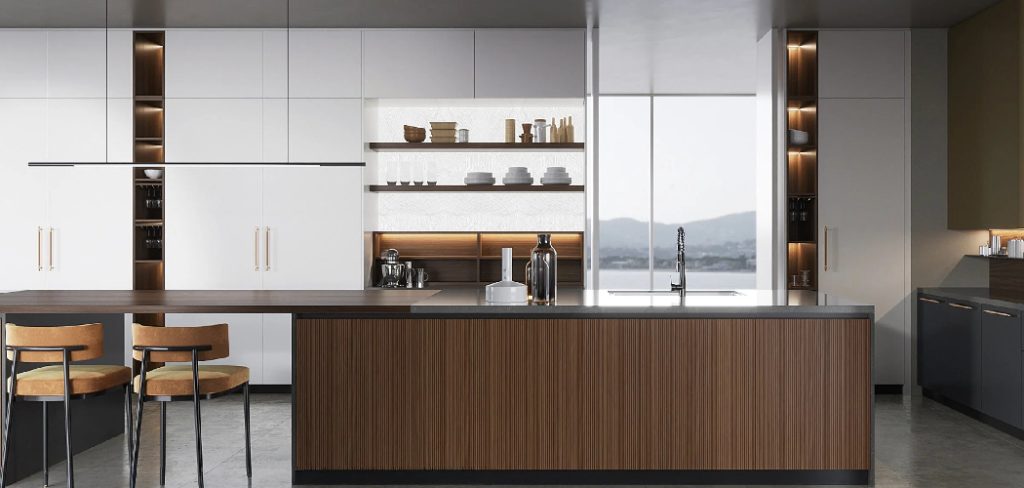
A galley kitchen is a long, narrow kitchen layout that typically features two parallel walls or countertops with a central walkway in between. This style gets its name from the compact and efficient kitchens found on ships and airplanes, where space is limited and functionality is key.
Galley kitchens are ideal for small homes or apartments, as they make the most of available space while maintaining a practical workflow. The design focuses on optimizing storage and ensuring easy access to essential items, making it a popular choice for those who prioritize efficiency in their cooking spaces.
10 Methods How to Decorate a Galley Kitchen
1. Use Light and Neutral Colors to Open Up the Space
One of the simplest and most effective ways to decorate a galley kitchen is by selecting a color palette that creates a sense of openness. Lighter tones—such as soft whites, warm creams, gentle grays, or muted pastels—help reflect natural and artificial light, giving the illusion of a wider space.
Neutral backgrounds also provide a timeless appeal, offering versatility for decorating with bolder accents later. Whether it’s on the walls, cabinetry, or backsplash, using these calming hues softens the narrow layout and makes the kitchen feel more expansive and airy, which is essential in smaller, enclosed kitchens.
2. Add Character with a Striking Backsplash
A galley kitchen often has limited wall space, making it the perfect canvas for a bold and decorative backsplash. Opting for patterned tiles, glass mosaics, or textured stone designs can bring instant charm and personality to the space without overwhelming it. This is also a great way to incorporate color, contrast, or metallic accents that enhance visual interest.
Since backsplashes span the length of the kitchen, they naturally draw the eye, helping elongate the room visually. A beautifully chosen backsplash serves both a functional and decorative purpose, protecting the walls while acting as a key design feature.
3. Incorporate Open Shelving for Style and Storage
Open shelving not only maximizes vertical storage in a galley kitchen but also allows you to display decorative elements and curated kitchenware. Replace a few upper cabinet doors with open wooden or metal shelves to show off beautiful dishes, colorful mugs, glass jars with dry goods, or small potted herbs.
Keep the display organized and minimal to avoid a cluttered look. These open shelves provide a visual break from bulky cabinets and introduce personality and charm to your kitchen while keeping everyday items within reach.
4. Install Under-Cabinet Lighting for Ambiance and Function
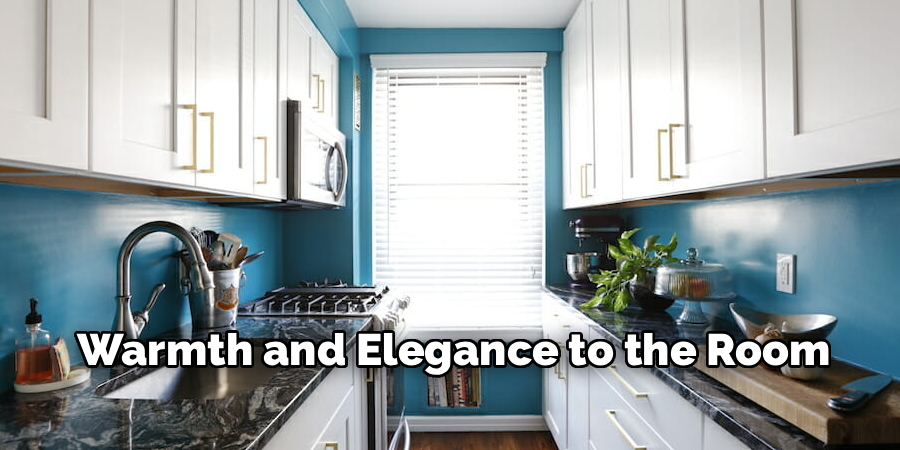
Proper lighting is a crucial element in any kitchen, but it becomes especially vital in a galley layout where shadows can make the space feel confined. Installing under-cabinet lighting not only illuminates your countertops for practical use but also adds warmth and elegance to the room.
LED strips or puck lights are popular choices that can be installed discreetly beneath upper cabinets. Choose dimmable options for flexibility, allowing you to adjust the ambiance based on mood or time of day. This subtle upgrade brings a cozy, inviting atmosphere to a small kitchen.
5. Create Continuity with Coordinated Fixtures and Hardware
To maintain visual flow in a galley kitchen, coordinating your fixtures and hardware is a subtle yet impactful design choice. Matching your cabinet handles, drawer pulls, faucets, and light fixtures in materials like brushed nickel, matte black, brass, or chrome ensures cohesion and polish.
Even though these details may be small, their consistency helps unify the space and prevents it from appearing disjointed. Choosing stylish yet functional hardware elevates the entire kitchen’s appearance and contributes to a clean, sophisticated look that enhances narrow layouts.
6. Decorate with Vertical Wall Art or Accent Pieces
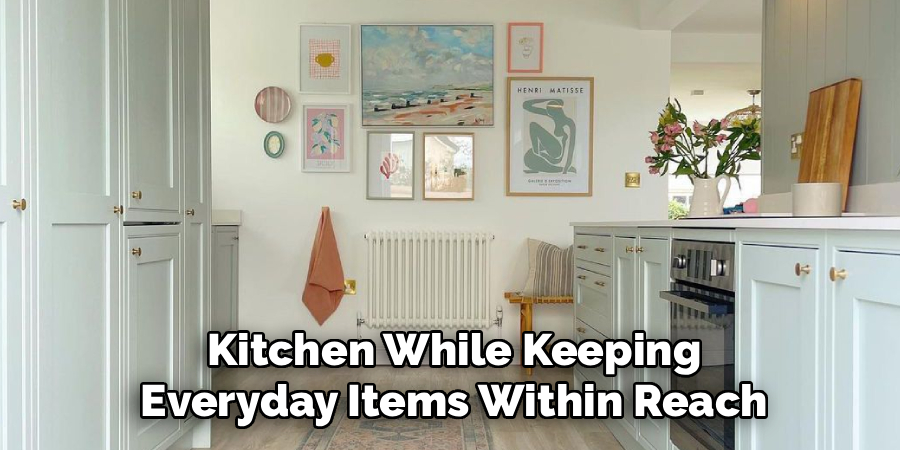
Given the limited width of a galley kitchen, it’s wise to draw the eye upward by decorating vertically. Narrow wall spaces at either end or between cabinets are ideal spots for tall artwork, framed prints, or decorative panels. Consider botanical illustrations, minimalist line art, or geometric patterns that complement your kitchen’s theme.
Mirrors can also be strategically placed to reflect light and create the illusion of depth. By choosing vertical art pieces, you add style without sacrificing any floor or counter space, bringing balance to the proportions of the room.
7. Use Decorative Rugs or Runners for Color and Comfort
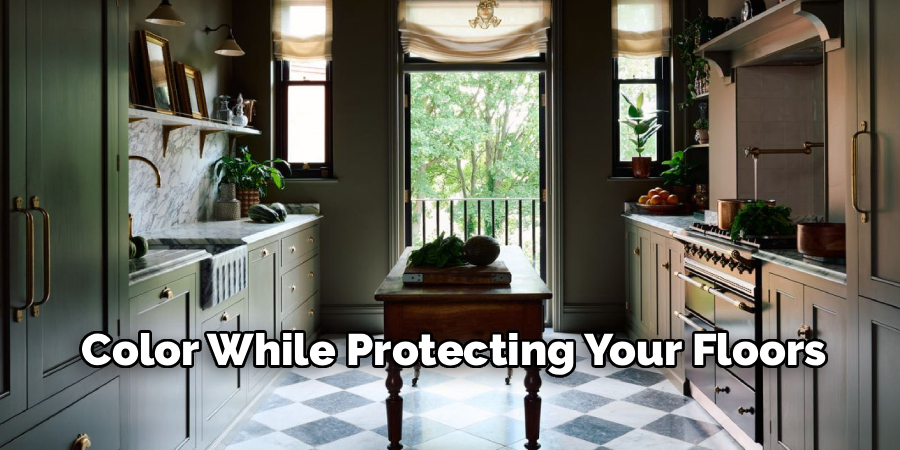
Flooring can be an overlooked design opportunity in galley kitchens. A decorative runner or area rug is a perfect solution to add texture, warmth, and color while protecting your floors. Choose a rug that fits the narrow dimensions of your kitchen, ideally running down the center without obstructing cabinet doors or appliances. Look for patterns that add visual interest without making the space feel cramped—geometrics, florals, or vintage-style prints work particularly well. In addition to their aesthetic appeal, kitchen rugs also provide cushioning underfoot and help reduce fatigue during meal prep.
8. Style with Greenery and Natural Elements
Plants breathe life into a galley kitchen, making the space feel more organic and inviting. Even in the absence of large windows, low-light indoor plants such as pothos, spider plants, or snake plants can thrive in small pots placed on shelves, windowsills, or even suspended from ceiling hooks.
Hanging planters or wall-mounted herb gardens also conserve counter space. Additionally, incorporating natural materials like wooden utensils, woven baskets, or rattan accents contributes to a warm, earthy atmosphere. These natural touches soften modern finishes and help establish a more calming, livable environment.
9. Customize Cabinetry with Paint or Wallpaper Inserts
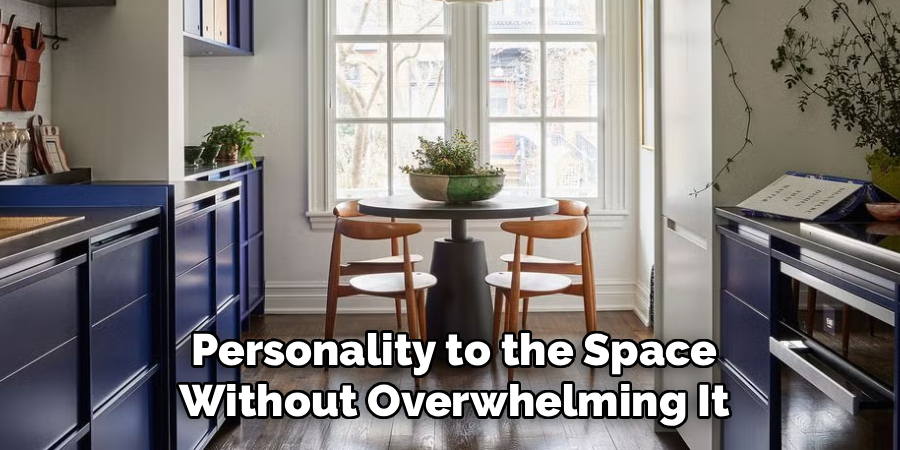
If your galley kitchen features plain cabinetry, consider personalizing the doors with fresh paint or removable wallpaper inserts. Painting lower cabinets a darker hue, such as navy blue or forest green, while keeping upper cabinets light can create visual depth and interest.
Alternatively, wallpapering the inner panels of cabinet doors or open shelving backs adds a subtle touch of color and pattern without overwhelming the space. This is a cost-effective method to refresh outdated cabinetry and make your kitchen uniquely yours without a complete renovation.
10. Use Decorative Containers and Canisters to Organize Counters
In small kitchens, decorative storage is both practical and aesthetic. Utilize stylish canisters, ceramic jars, or labeled glass containers for storing pantry items like flour, coffee, pasta, or spices on your countertops. Matching sets in neutral or thematic colors can elevate your decor while keeping ingredients easily accessible.
Trays or baskets can also be used to corral oils, salt and pepper shakers, or utensils into a tidy arrangement. By turning necessities into visually pleasing displays, you can maintain a functional kitchen that also showcases your sense of style.
Maintenance and Upkeep
To ensure that your kitchen remains both functional and stylish, regular maintenance and upkeep are essential. Start by routinely wiping down your storage containers, trays, and baskets to prevent dust or residue buildup. For glass or ceramic items, a gentle cleaning solution and microfiber cloth can help maintain their shine.
Organize your pantry and countertop items frequently to avoid overcrowding and ensure that older ingredients are used before newer ones. Pay attention to potential spills or stains, especially around oil bottles or spice jars, and clean them promptly to prevent permanent marks. By dedicating time to these simple tasks, you can keep your kitchen looking fresh and inviting while preserving its practicality.
Troubleshooting Common Issues
Keeping your kitchen in top condition also involves addressing common issues that may arise. For instance, if stubborn stains appear on countertops, try using a paste made of baking soda and water to gently scrub the surface. For clogged kitchen sink drains, a mixture of boiling water, vinegar, and baking soda can often help dissolve minor blockages.
If your refrigerator develops an unpleasant odor, clean it thoroughly and place an open box of baking soda inside to absorb lingering smells. Address sticky cabinet surfaces caused by grease buildup by wiping them down with a mixture of warm water and dish soap. Regular attention to these problems ensures your kitchen remains clean, functional, and enjoyable to use.
Common Mistakes to Avoid
When maintaining a clean and functional kitchen, there are several common mistakes to watch out for. One frequent error is neglecting to clean kitchen appliances regularly, such as the microwave or oven, allowing grime and food residues to build up over time.
Another common issue is using the wrong type of cleaning product for specific surfaces, which can lead to damage or discoloration, especially on delicate materials like marble or wood. Avoid pouring grease or oil down the sink drain, as it can harden and cause persistent blockages. Additionally, failing to empty and clean the trash bin frequently can attract pests and create unpleasant odors. Taking proactive measures to address these mistakes can save time and effort in the long run.
Conclusion
Decorating a galley kitchen is about making smart, aesthetic decisions that enhance functionality while expressing personal style. By using light colors, incorporating vertical elements, installing ambient lighting, and carefully selecting stylish yet practical accessories, you can transform your narrow kitchen into a beautiful and inviting space. Thanks for reading our blog post on how to decorate a galley kitchen! We hope you found it helpful and informative.

About
Diane Lo is a distinguished figure in the world of kitchen innovation and culinary design, with over a decade of expertise creating functional and sustainable kitchen environments. Her professional focus lies in merging ergonomic spatial planning with modern culinary technology, fostering kitchen layouts that are both highly practical and aesthetically refined. As the lead expert at Kitchenub, Diane Lo delves into the art and science of kitchen organization, appliance selection, and workflow efficiency, inspiring home cooks and professional designers alike.
Education
Royal Melbourne Institute of Technology (RMIT University) (Melbourne, Australia) Associate Degree in Interior Design and Spatial Planning Focus on sustainable kitchen layouts, user-centric design, and ergonomic efficiency. Gained hands-on experience in high-traffic commercial kitchen modeling and advanced space-saving architecture.
Nottingham Trent University (United Kingdom) Bachelor’s in Product Design and Culinary Architecture (Honors) Specialized in the intersection of kitchen technology and lifestyle design. Participated in major industry collaborations, working with premium appliance manufacturers and cabinetry firms to gain real-world insights into modern kitchen workflows.
Publications and Impact
At Kitchenub, Diane Lo shares her expert insights on kitchen renovation processes, material durability, and strategies for achieving peak culinary productivity. Her writing effectively bridges the gap between professional culinary needs and home design, making it an essential resource for those looking to transform their kitchen into a highly efficient and welcoming heart of the home.