

High gloss kitchen doors can add a sleek and modern touch to any home, but over time, they may become chipped or damaged due to regular wear and tear. While these imperfections can detract from the overall aesthetic, the good news is that they can often be repaired without the need for a complete replacement. This guide will walk you through the steps of how to repair chipped high gloss kitchen doors, allowing you to restore their original beauty and extend their lifespan.
Common Reasons for Chips in High Gloss Kitchen Doors
High gloss kitchen doors are susceptible to chipping for a variety of reasons, many of which stem from everyday use. One common cause is accidental impact, such as bumping the doors with cookware, dishes, or other heavy objects during meal preparations. Another frequent culprit is repeated opening and closing, which can lead to wear along the edges over time, especially if hinges or handles are loose.
Additionally, exposure to harsh cleaning agents or abrasive tools can weaken the finish, making it more prone to damage. Environmental factors, such as fluctuations in temperature and humidity, can also contribute to the deterioration of the glossy surface, increasing the likelihood of chips forming. Understanding these causes can help prevent further damage and maintain the appearance of your kitchen doors.
Gather Necessary Tools and Materials
Before starting any maintenance or repair work on your kitchen doors, it’s important to have the right tools and materials on hand. Essential items include a soft cloth, non-abrasive cleaning solution, a screwdriver for tightening any loose hinges or handles, and touch-up paint or repair kits that match the finish of your doors. For addressing minor scratches or chips, consider using a fine grit sandpaper and a polishing compound. Having these items ready allows you to tackle any issues efficiently and ensures the longevity of your kitchen doors.
10 Methods How to Repair Chipped High Gloss Kitchen Doors
1. Assess the Severity of the Chip
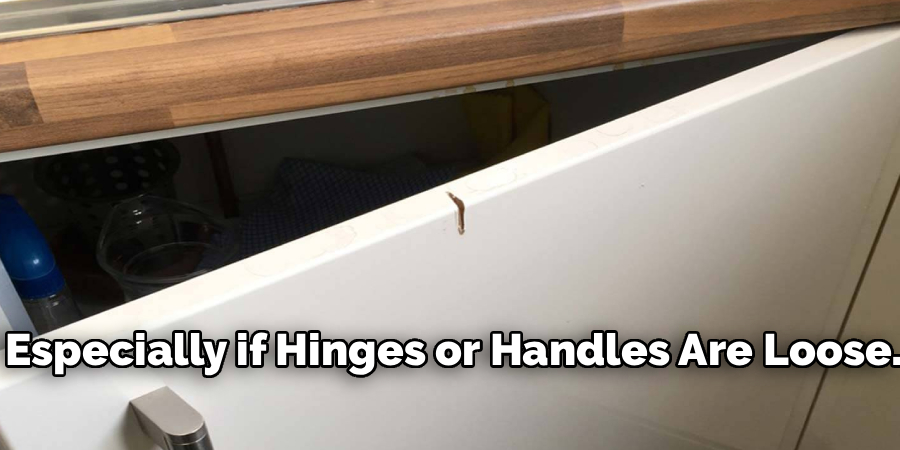
Before you begin any repair work on a chipped high gloss kitchen door, it is essential to first assess the extent and severity of the damage. Chips can range from small surface nicks to deeper gouges that expose the underlying material. A proper evaluation allows you to determine the best repair method, whether it be a simple fill-and-polish or a more involved refinishing job. Minor chips may only require a touch-up pen or filler, while extensive damage could necessitate the use of putty, sanding, or even replacing the door. By understanding the size and location of the chip—particularly whether it’s on a visible edge or surface—you can choose an approach that balances both aesthetics and durability.
2. Clean the Surface Thoroughly
A clean working surface is vital to ensure that any repair product adheres correctly to the damaged area. Begin by wiping down the chipped area using a soft cloth dampened with warm water and a mild detergent. This will remove any grease, grime, or cooking residues that may have accumulated. Once cleaned, allow the surface to dry completely. For best results, use isopropyl alcohol to wipe the area one final time, ensuring that all oils are eliminated. This preparation step is often overlooked but is crucial in achieving a seamless and long-lasting repair, especially with glossy finishes that reveal even the smallest imperfections.
3. Use a Color-Matched Touch-Up Pen
For small chips where the underlying material is not deeply exposed, a color-matched touch-up pen can be a fast and effective solution. These pens are designed specifically for cabinetry and furniture and can be found in a wide range of colors and finishes. Select a pen that matches your kitchen door’s exact shade and sheen—many brands even offer gloss-specific variants. Apply the pen in thin layers, allowing it to dry between coats, until the chip is visually blended with the surrounding surface. Touch-up pens are ideal for inconspicuous areas like inside corners, lower panels, or edges and can restore the look without professional help.
4. Apply a Glossy Cabinet Repair Filler
When the chip is more pronounced, using a high-gloss repair filler can provide a more robust and lasting solution. These fillers are usually available in small tubes and are color-matched to popular high gloss kitchen colors. Squeeze a small amount of filler into the chip, and use a plastic spatula or credit card to smooth it level with the surrounding surface. Allow the filler to dry thoroughly—this may take several hours—before lightly polishing it to restore the sheen. Be sure to read the manufacturer’s instructions carefully for the best outcome, especially when dealing with moisture-prone areas near sinks or stoves.
5. Use Automotive Scratch Repair Kits
Surprisingly, many automotive scratch repair kits can also be used effectively on high gloss kitchen doors. These kits typically contain a rubbing compound, polishing cloths, and a clear coat finish that mimics the reflective surface of car paint—which is quite similar to high gloss kitchen coatings. Begin by gently buffing the chipped area with the compound using a microfiber cloth. Follow this with the clear coat application to restore the gloss. This method works best on superficial chips and scratches and offers a cost-effective solution without needing to purchase multiple specialty products.
6. Fill Deeper Chips with Epoxy Putty
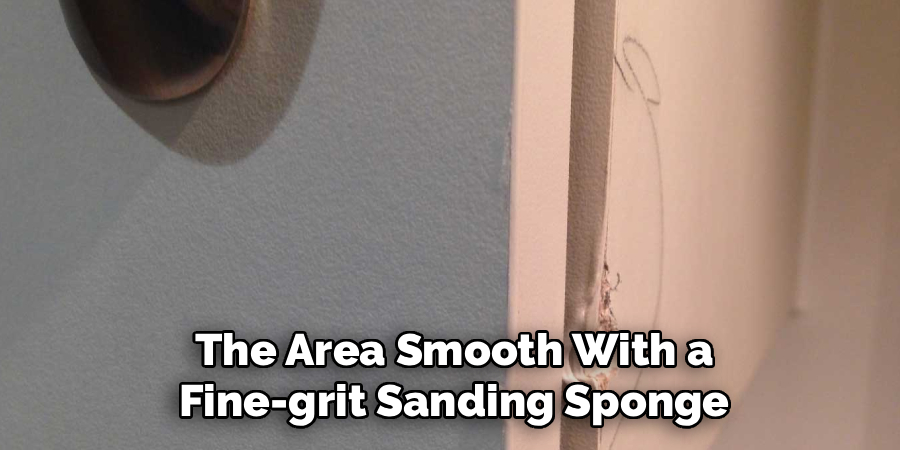
For chips that penetrate deeply into the MDF or particle board beneath the high gloss finish, epoxy putty is often the most reliable solution. This two-part compound hardens quickly and can be sanded, painted, and polished. Mix the epoxy according to the package directions, then apply it carefully to the chipped area. Use a putty knife to level the surface. Once cured, sand the area smooth with a fine-grit sanding sponge. Afterward, apply a gloss-matching paint or lacquer for a uniform appearance. This method is more time-consuming but provides excellent durability and adhesion on larger or structural chips.
7. Repaint and Lacquer the Door Panel
If the chip has left the door looking uneven in both texture and color, repainting the entire door might be the best way to restore uniformity. Start by sanding the entire surface lightly with 320-grit sandpaper to create a base for adhesion. Then, apply a primer specifically made for glossy or laminated surfaces. Once the primer is dry, use a high-gloss spray paint or paint with a roller for a consistent finish. Finally, seal the surface with a clear lacquer or polyurethane to replicate the original gloss. This approach is ideal when multiple chips are scattered across the door or if the door has aged visibly over time.
8. Replace Damaged Edgebanding
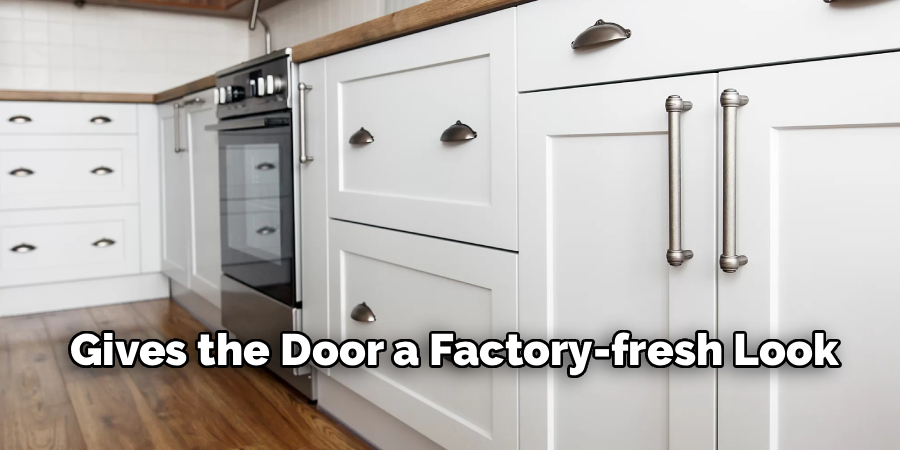
In many high gloss kitchen doors, especially those made from MDF or particle board, the edges are finished with a thin PVC or melamine edge banding that can chip or peel. If the chip is along the edge, replacing the edge banding might be the most aesthetically pleasing solution. Heat the old banding with a hair dryer or heat gun to loosen the adhesive, then peel it off. Apply new edge banding using an iron or edge banding tool, trimming any excess with a sharp knife. This not only repairs the chip but gives the door a factory-fresh look with minimal investment.
9. Use Clear Nail Polish as a Temporary Fix
If you’re short on time or looking for a temporary cosmetic repair, clear nail polish can help seal and conceal minor chips in high gloss doors. Apply a small amount of polish directly to the chipped area using the brush applicator. The polish will dry into a hard, transparent finish that protects the underlying material and reflects light similarly to a gloss coat. Though not a permanent solution, it can prevent the chip from worsening and help maintain the visual appeal until a more thorough repair can be undertaken.
10. Consider Door Replacement for Extensive Damage
In cases where the chip is part of a larger pattern of wear and tear or if the gloss surface has delaminated over a wide area, replacing the door may be more cost-effective than repeated spot repairs. Fortunately, many kitchen manufacturers sell replacement doors individually, and often you can find an exact match or a complementary style. Measure the existing door precisely and order a replacement with the same hinge bore pattern to ensure easy installation. While this method involves a higher upfront cost, it guarantees a flawless, durable finish without the need for ongoing patchwork.
Conclusion
Chipped high gloss kitchen doors can detract from the modern, polished appearance of your space, but with the right techniques and materials, they can be repaired seamlessly. Whether you choose a quick touch-up pen or go for a full repaint, each of these ten methods offers a targeted approach depending on the extent of damage. With care, patience, and the right tools, you can restore your kitchen’s brilliance and maintain its sleek, contemporary charm for years to come. Thanks for reading our blog post on how to repair chipped high gloss kitchen doors! We hope you found it helpful and informative.

About
Diane Lo is a distinguished figure in the world of kitchen innovation and culinary design, with over a decade of expertise creating functional and sustainable kitchen environments. Her professional focus lies in merging ergonomic spatial planning with modern culinary technology, fostering kitchen layouts that are both highly practical and aesthetically refined. As the lead expert at Kitchenub, Diane Lo delves into the art and science of kitchen organization, appliance selection, and workflow efficiency, inspiring home cooks and professional designers alike.
Education
Royal Melbourne Institute of Technology (RMIT University) (Melbourne, Australia) Associate Degree in Interior Design and Spatial Planning Focus on sustainable kitchen layouts, user-centric design, and ergonomic efficiency. Gained hands-on experience in high-traffic commercial kitchen modeling and advanced space-saving architecture.
Nottingham Trent University (United Kingdom) Bachelor’s in Product Design and Culinary Architecture (Honors) Specialized in the intersection of kitchen technology and lifestyle design. Participated in major industry collaborations, working with premium appliance manufacturers and cabinetry firms to gain real-world insights into modern kitchen workflows.
Publications and Impact
At Kitchenub, Diane Lo shares her expert insights on kitchen renovation processes, material durability, and strategies for achieving peak culinary productivity. Her writing effectively bridges the gap between professional culinary needs and home design, making it an essential resource for those looking to transform their kitchen into a highly efficient and welcoming heart of the home.