

Draining a Frigidaire dishwasher properly is essential for maintaining its performance and ensuring the longevity of the appliance. Over time, stagnant water, debris, or blockages in the drainage system can lead to operational issues and unpleasant odors. Whether you’re performing routine maintenance, troubleshooting a problem, or preparing the dishwasher for storage or repair, knowing how to drain it effectively can save time and prevent costly repairs.
This guide will walk you through the step-by-step process to safely and efficiently drain a Frigidaire dishwasher, using basic tools and safety precautions. By following these instructions, you’ll be able to identify potential drainage issues, avoid water damage, and keep your dishwasher running smoothly. No matter your level of experience, this guide is designed to provide clear and accessible instructions, helping both beginners and seasoned users deal with any drainage challenges.
Got standing water in your Frigidaire dishwasher? Learn how to drain Frigidaire dishwasher with our simple, step-by-step troubleshooting guide.
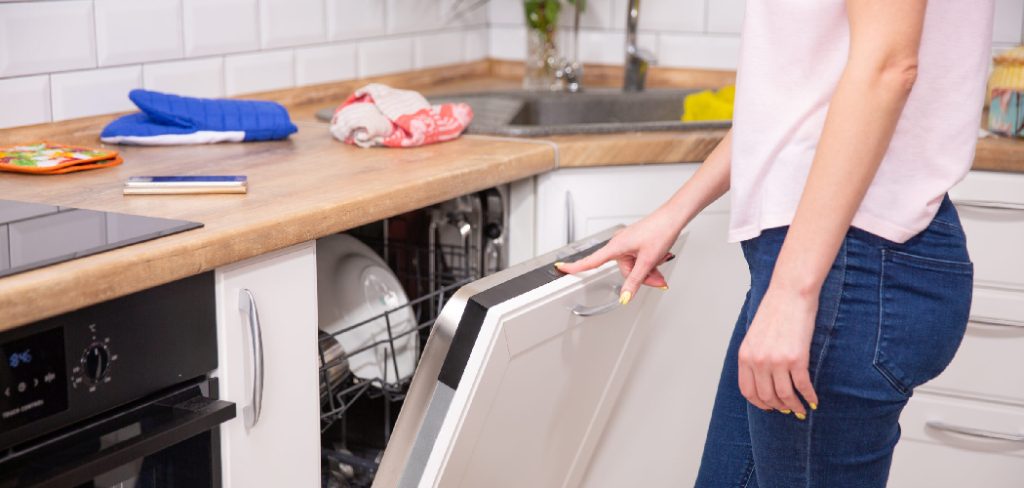
Why Your Dishwasher Has Standing Water
Opening your dishwasher to find a pool of murky, standing water at the bottom is a frustrating experience. This common household problem not only leaves your dishes dirty but can also lead to unpleasant odors if not addressed quickly. The cause is often a simple clog in the filter or drain hose, but it can sometimes point to an issue with the drain pump or your kitchen sink’s plumbing. Fortunately, you don’t always need to call a professional right away. Learning how to drain Frigidaire dishwasher is a manageable task that can save you time and money. This guide will walk you through the troubleshooting process, helping you identify and fix the most common causes of drainage failure.
Step-by-Step Guide on How to Drain a Frigidaire Dishwasher
Step 1: Cancel the Current Cycle and Disconnect Power
Before you begin any hands-on troubleshooting, the first priority is safety. If your dishwasher has stopped mid-cycle, you should first try to cancel it. Press and hold the “Cancel” or “Start/Cancel” button for about three seconds. This will often activate the drain pump to empty any remaining water. If this doesn’t work or the cycle has already finished, you must completely disconnect the appliance from its power source. Unplug the dishwasher from the wall outlet or, if it’s hardwired, turn off the corresponding breaker in your home’s electrical panel. This crucial safety measure prevents any risk of electric shock while you work.
Step 2: Remove the Bottom Dish Rack and Absorb Standing Water
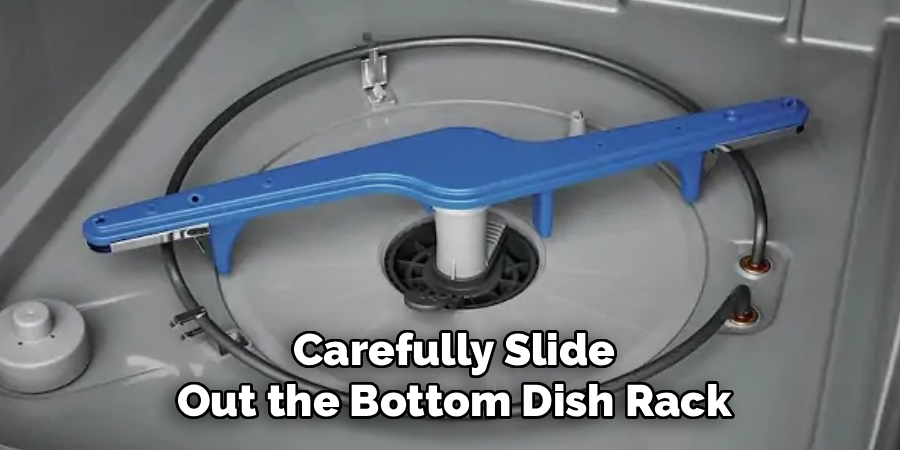
With the power safely disconnected, you can now access the bottom of the dishwasher tub. Open the door and carefully slide out the bottom dish rack, setting it aside to give yourself a clear workspace. You will likely be faced with a pool of standing water. Before you can inspect the filter and drain area, this water needs to be removed manually. Use a small cup or ladle to bail out most of the water into a bucket. For the remaining water, use old towels or a large sponge to soak it up completely until the bottom of the tub is dry.
Step 3: Locate and Clean the Dishwasher Filter
One of the most common culprits behind a drainage issue is a clogged filter. In most Frigidaire models, the filter assembly is located at the bottom of the tub, beneath the lower spray arm. It usually consists of a cylindrical filter and a flat mesh screen. To remove it, twist the cylindrical filter counterclockwise and lift it straight out. You may then be able to lift out the lower mesh screen as well. Take these parts to your sink and wash them thoroughly with warm, soapy water. Use a soft brush to gently scrub away food particles, grease, and other debris until they are completely clean.
Step 4: Check the Sump
The filter sits inside a small recessed area at the bottom of the tub known as the sump. This is where water collects before being pushed out by the drain pump. With the filter removed, use a flashlight to inspect the sump area for any debris that might have slipped past the filter. Small items like fruit pits, broken glass, or plastic fragments can easily get lodged here and block the entrance to the drain pump. Carefully remove any obstructions you find. This is a critical step in the process of learning how to drain Frigidaire dishwasher effectively.
Step 5: Inspect the Drain Hose for Kinks and Clogs
If the filter and sump are clear, the next place to check is the drain hose. This is the flexible, ribbed hose that runs from the dishwasher’s drain pump to your sink’s plumbing or garbage disposal. Start by looking for any visible kinks or sharp bends behind the dishwasher or under your sink, as these can restrict water flow. If the hose looks straight, you will need to disconnect it to check for internal clogs. Place a bucket and some towels under the connection point at the sink to catch any trapped water before loosening the clamp that holds it in place.
Step 6: Disconnect and Clear the Drain Hose
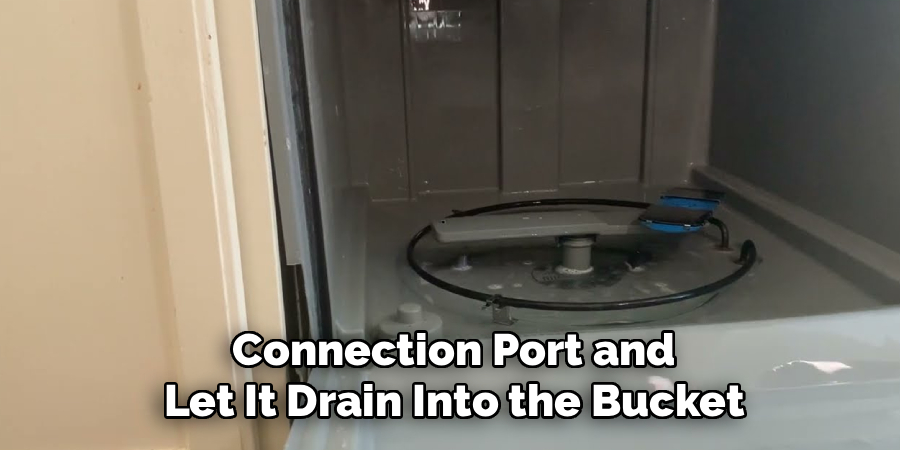
Once you have your bucket ready, use pliers or a screwdriver to loosen the clamp securing the drain hose to the garbage disposal or sink drain pipe. Gently pull the hose off the connection port and let it drain into the bucket. To check for a clog, you can blow through the hose. If you meet significant resistance, a blockage is present. To clear it, you can use a straightened wire coat hanger or a plumber’s snake to gently push the debris out. Afterward, rinse the hose with high-pressure water to ensure it is completely clear before reattaching it.
Step 7: Examine the Garbage Disposal and Air Gap
If your drain hose connects to a garbage disposal, the disposal itself can be the source of the blockage. First, ensure the disposal is not clogged by running it with cold water. Many disposals have a small knockout plug inside the dishwasher connection port that must be removed upon installation. If it is a new disposal, this plug may still be in place, blocking water flow. Additionally, some setups use an air gap, a small chrome cylinder on your countertop near the sink. This can also become clogged with debris, so remove its cover and clean it out.
Step 8: Reassemble and Run a Test Cycle
After you have cleaned the filter, cleared the sump, and checked the drain hose, it is time to put everything back together. Reinstall the mesh screen and cylindrical filter, twisting it clockwise to lock it in place. Reattach the drain hose securely to the sink plumbing and put the bottom dish rack back inside the dishwasher. Restore power to the appliance by plugging it in or flipping the breaker. To test your work, run a short “Rinse Only” cycle. Listen for the drain pump to activate at the end of the cycle and check if all the water has been successfully removed.

Frequently Asked Questions
Why Is There Standing Water in My Frigidaire Dishwasher?
Standing water is almost always caused by a clog somewhere in the drainage system. The most common culprits are:
- A food-clogged filter at the bottom of the tub.
- A kinked or blocked drain hose.
- A blockage in your garbage disposal or the sink drain where the hose connects.
By following a systematic check of these components, you can usually identify and resolve the issue yourself without needing to call for a repair.
How Often Should I Clean My Dishwasher Filter?
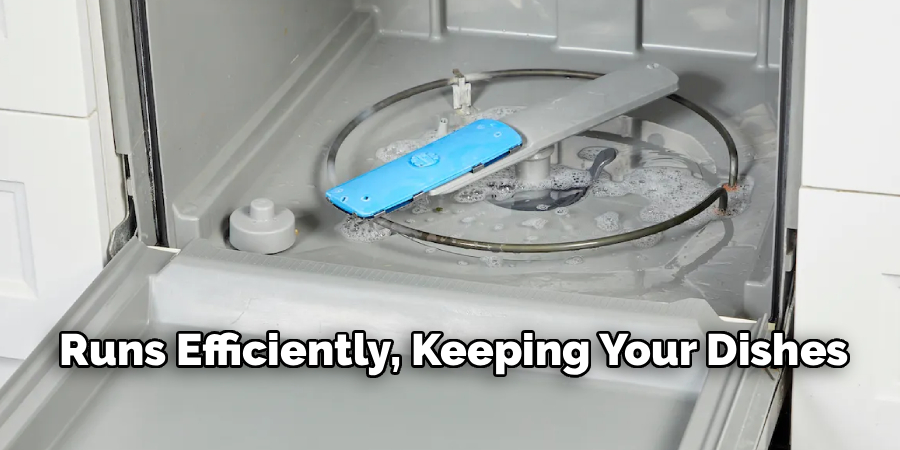
To prevent drainage problems, it is recommended to clean your Frigidaire dishwasher filter at least once a month. If you wash dishes frequently or often wash dishes with a lot of food residue, you may need to clean it more often. Regular filter maintenance is the single best thing you can do to ensure your dishwasher drains properly and runs efficiently, keeping your dishes sparkling clean.
Can a Clogged Garbage Disposal Affect My Dishwasher?
Yes, absolutely. The dishwasher drain hose is typically connected directly to the garbage disposal. If the disposal is clogged with food waste, it will prevent water from the dishwasher from draining out. Always run your garbage disposal for a few seconds before starting a dishwasher cycle to ensure the path is clear. This simple habit can prevent many drainage headaches.
What Is an Air Gap and How Do I Clean It?
An air gap is a safety device that prevents contaminated sink water from siphoning back into your dishwasher. It is usually a small metal cylinder on your sink deck. To clean it, simply twist off the chrome cover. Inside, you will see a smaller plastic cap. Pull that off and use a small brush and water to clear out any food particles or gunk that has built up inside.
When Should I Call a Professional for a Drainage Issue?
If you have thoroughly cleaned the filter, confirmed the drain hose is clear, and checked the garbage disposal and air gap, but the dishwasher still won’t drain, it may be time to call a professional. The issue could be a faulty drain pump or an electrical problem with the control board. A qualified technician can diagnose these more complex issues safely and accurately.
Conclusion
Facing a dishwasher full of standing water is never ideal, but it’s often a problem you can solve on your own. By systematically checking the filter, sump, drain hose, and sink connections, you can tackle the most common causes of drainage failure. This guide provides a clear path to getting your appliance back in working order, saving you from the expense of a professional service call. Now that you know how to drain Frigidaire dishwasher, you can approach this common kitchen problem with confidence and keep your appliance running smoothly for years to come.

About
Diane Lo is a distinguished figure in the world of kitchen innovation and culinary design, with over a decade of expertise creating functional and sustainable kitchen environments. Her professional focus lies in merging ergonomic spatial planning with modern culinary technology, fostering kitchen layouts that are both highly practical and aesthetically refined. As the lead expert at Kitchenub, Diane Lo delves into the art and science of kitchen organization, appliance selection, and workflow efficiency, inspiring home cooks and professional designers alike.
Education
Royal Melbourne Institute of Technology (RMIT University) (Melbourne, Australia) Associate Degree in Interior Design and Spatial Planning Focus on sustainable kitchen layouts, user-centric design, and ergonomic efficiency. Gained hands-on experience in high-traffic commercial kitchen modeling and advanced space-saving architecture.
Nottingham Trent University (United Kingdom) Bachelor’s in Product Design and Culinary Architecture (Honors) Specialized in the intersection of kitchen technology and lifestyle design. Participated in major industry collaborations, working with premium appliance manufacturers and cabinetry firms to gain real-world insights into modern kitchen workflows.
Publications and Impact
At Kitchenub, Diane Lo shares her expert insights on kitchen renovation processes, material durability, and strategies for achieving peak culinary productivity. Her writing effectively bridges the gap between professional culinary needs and home design, making it an essential resource for those looking to transform their kitchen into a highly efficient and welcoming heart of the home.