

A dishwasher is one of the most hardworking appliances in a modern kitchen, saving us countless hours of scrubbing and sanitizing. But over time, have you noticed your glasses coming out cloudy or a chalky film building up inside the machine? This is often caused by limescale and mineral deposits from hard water, which can clog spray arms, reduce cleaning power, and even damage the heating element.
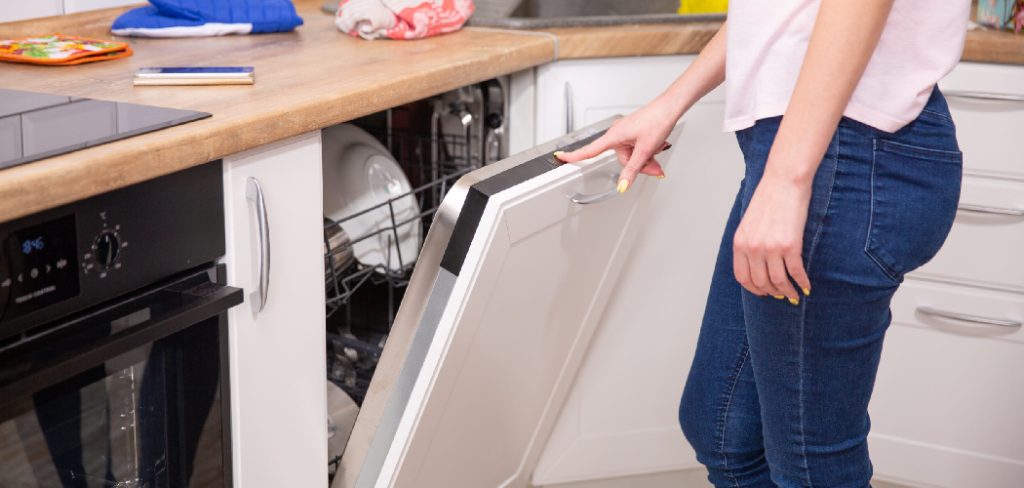
Ignoring this buildup can lead to poor performance and a shorter lifespan for your appliance. Learning how to descale a dishwasher is a crucial maintenance task that restores its efficiency and ensures your dishes come out sparkling clean every time. Regular descaling is simple, effective, and essential for protecting your investment and keeping your kitchen running smoothly.
Why is Descaling Important?
Descaling your dishwasher is essential to maintain its performance and longevity. Over time, mineral deposits from hard water accumulate inside the appliance, particularly in the spray arms, filters, and heating element. These deposits can hinder water flow, reduce the machine’s ability to clean effectively, and cause unpleasant odors. Additionally, excessive buildup can strain the dishwasher’s components, leading to costly repairs or even a complete breakdown. By regularly descaling your dishwasher, you prevent these issues, ensuring optimal cleaning results, energy efficiency, and an extended lifespan for your appliance.
10 Methods how to Descale a Dishwasher
1.Using White Vinegar
White vinegar is a natural and inexpensive solution for descaling a dishwasher.
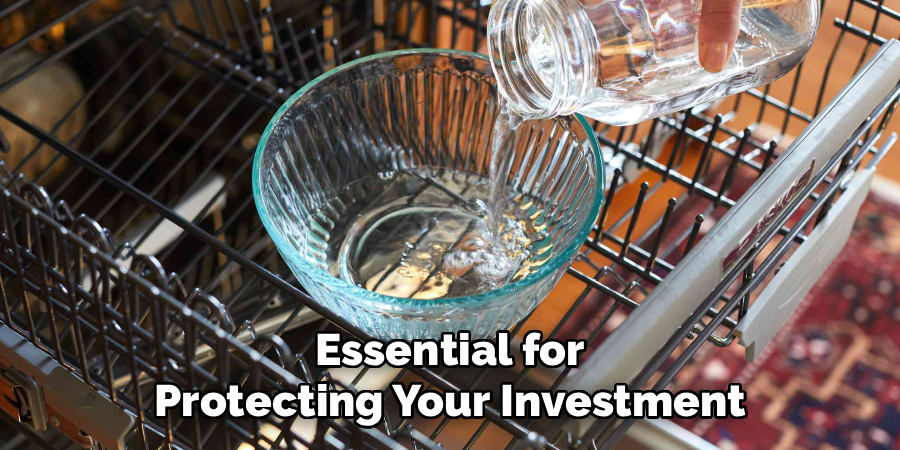
Simply pour one cup of white vinegar into a dishwasher-safe bowl and place it on the top rack of the empty dishwasher. Run a hot water cycle to allow the vinegar to break down limescale and mineral buildup effectively. Avoid mixing vinegar with baking soda during this process, as their reaction may neutralize the cleaning properties. After the cycle is complete, wipe down the interior with a clean cloth to remove any residue left behind.
2.Citric Acid Solution
Another effective method for descaling a dishwasher is using a citric acid solution. Begin by sprinkling 2-3 tablespoons of citric acid powder evenly across the bottom of the empty dishwasher. Run a standard hot water cycle to allow the citric acid to dissolve limescale and mineral deposits efficiently. This method is especially useful for areas with hard water, as citric acid is excellent at breaking down stubborn buildup. Once the cycle finishes, inspect the inside of the dishwasher and wipe away any remaining residue with a soft cloth for a sparkling clean appliance.
3. Baking Soda and Vinegar Combo
For a natural and highly effective cleaning method, the combination of baking soda and vinegar is an excellent choice. Start by sprinkling one cup of baking soda across the bottom of the empty dishwasher. Next, pour one cup of white vinegar into a dishwasher-safe bowl or cup, and place it securely on the top rack. Run the dishwasher on a hot water cycle to allow the mixture to break down grease, grime, and odors. Baking soda neutralizes smells while gently scrubbing the interior surfaces, and vinegar dissolves residue and disinfects. Once the cycle is complete, wipe down any remaining grime for a refreshed and spotless appliance.
4. Dishwasher Descaling Tablets
For a more convenient option, consider using dishwasher descaling tablets designed specifically to tackle mineral buildup and stubborn limescale. Simply follow the manufacturer’s instructions by placing the tablet in the detergent compartment or at the bottom of the dishwasher. Run an empty cycle on the hottest setting to allow the tablet to dissolve and cleanse the interior. These tablets are formulated to break down hard water deposits, ensuring optimal performance and extending the life of your dishwasher. Regular use, about once a month, helps keep your appliance running smoothly and prevents clogs caused by scale buildup.

5. Lemon Juice and Baking Soda
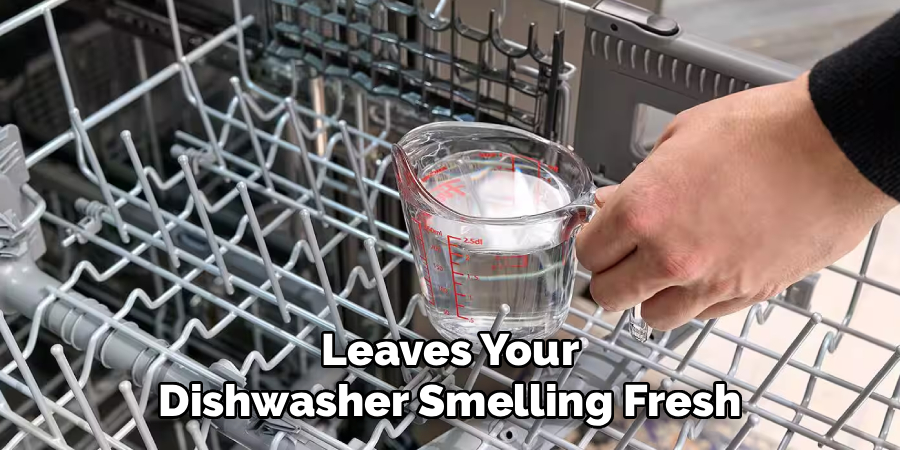
Lemon juice and baking soda form a powerful natural cleaning duo for tackling limescale and grime in your dishwasher. Start by sprinkling a generous amount of baking soda across the bottom of the dishwasher. Then, pour about one cup of lemon juice into a dishwasher-safe container and place it on the top rack. Run a hot water cycle to allow the combination to work its magic. The acidity of the lemon juice breaks down mineral deposits, while the baking soda helps to scrub away residue and neutralize odors. This method is eco-friendly, cost-effective, and leaves your dishwasher smelling fresh and clean. For best results, repeat this process every few months.
6. Commercial Dishwasher Cleaner
If you prefer a convenient, store-bought option, commercial dishwasher cleaners are an excellent choice for maintaining your appliance. These cleaners are specifically formulated to target grease, limescale, and other buildups that can accumulate over time. To use, simply follow the instructions on the product’s packaging. Most cleaners involve placing the cleaning solution or tablet in the bottom of the dishwasher or detergent dispenser and running a hot water cycle. Regular use of a commercial cleaner, typically once a month, helps ensure your dishwasher stays in optimal working condition and prolongs its lifespan.
7. Hot Water and Salt Solution
Another effective method for maintaining your dishwasher is using a hot water and salt solution. Salt acts as a natural abrasive and helps break down stubborn grime and grease, while hot water enhances the cleaning process by dissolving residue more effectively. To use this method, dissolve a few tablespoons of coarse salt in a bowl of hot water, then pour the mixture into the bottom of the dishwasher. Run a short, empty cycle with hot water to allow the solution to work its way through the system. This simple and natural remedy can help prevent clogs and keep your dishwasher functioning efficiently.
8. Use of Tartar Control Products
Tartar control products are specially formulated to address mineral buildup and ensure your appliances remain clean and efficient. For dishwashers, products containing natural ingredients like cream of tartar can break down hard water deposits and prevent scaling on internal components. To use, sprinkle a tablespoon of cream of tartar directly onto the bottom of the dishwasher, then run a hot water cycle. Regular use of such products not only helps maintain the appliance’s performance but also extends its lifespan, saving you from costly repairs in the future.
9. Descaling with Borax
Borax is another effective solution for tackling hard water deposits and scaling in appliances. This natural mineral compound works as a powerful cleaner, breaking down stubborn calcium and magnesium buildup. To descale with borax, add half a cup to the bottom of your dishwasher or washing machine, then run a standard hot water cycle without any dishes or clothes inside. For heavier buildup, you can repeat the process as needed. Using borax regularly not only helps keep your appliances running efficiently but also reduces the risk of long-term damage caused by mineral deposits.
10. Manual Scrubbing of Parts
For parts of your appliances that experience heavy buildup, manual scrubbing can be an effective solution. Remove detachable elements, such as dishwasher spray arms or washing machine filters, and soak them in a mixture of warm water and vinegar or a mild detergent. After soaking, use a soft brush or sponge to gently scrub away deposits and grime. Be careful not to use abrasive tools that could damage delicate surfaces. Once cleaned, rinse thoroughly with water and ensure all parts are completely dry before reassembling them into the appliance. Regularly scrubbing these components can dramatically improve the efficiency and longevity of your appliances.
Benefits of Regular Cleaning
Regular cleaning of your dishwasher offers numerous benefits that go beyond just improving its performance. Firstly, it helps prevent the buildup of grease, food particles, and mineral deposits, which can otherwise lead to clogs and reduced efficiency. A clean dishwasher also ensures more hygienic conditions, eliminating bacteria and odors that may arise from trapped debris. Furthermore, consistent maintenance can extend the lifespan of your appliance, saving you money on repairs or replacements in the long run. Lastly, regular cleaning ensures that your dishes come out spotless and streak-free, enhancing overall cleaning results.
Frequently Asked Questions
How often should I descale my dishwasher?
It depends on water hardness, but once every 1-2 months is a good starting point for most households. However, if you notice a build-up of limescale or mineral deposits, you may need to descale more frequently.
Can I use regular vinegar for descaling my dishwasher?
Yes, white vinegar is commonly used for descaling as it helps break down mineral deposits effectively. However, there are also commercial dishwasher descalers available.
Are commercial dishwasher cleaners safe for my machine?
Yes, they are specifically designed to be safe for dishwashers while effectively removing limescale and mineral buildup. Just make sure to follow the instructions on the package carefully.
What can happen if I don’t descale my dishwasher?
Not descaling regularly can lead to poor performance, clogged spray arms, and reduced cleaning effectiveness.
Can I use a descaling method with dishes inside the dishwasher?
No, it’s best to run descaling cycles without any dishes to avoid damage from cleaning agents or excess heat.
Conclusion
Regular descaling is a crucial step to maintain your dishwasher’s efficiency and ensure it operates at peak performance. By removing limescale and mineral buildup, you can avoid issues like clogged spray arms and reduced cleaning effectiveness, keeping your appliance running smoothly.
The frequency of descaling depends on the water hardness in your area and how often you use your dishwasher. For households with hard water, it is recommended to descale at least once a month. If you have soft water or use your dishwasher less frequently, descaling every 3-6 months should suffice. Learning how to descale a dishwasher is a crucial maintenance task that restores its efficiency and ensures your dishes come out sparkling clean every time.

About
Diane Lo is a distinguished figure in the world of kitchen innovation and culinary design, with over a decade of expertise creating functional and sustainable kitchen environments. Her professional focus lies in merging ergonomic spatial planning with modern culinary technology, fostering kitchen layouts that are both highly practical and aesthetically refined. As the lead expert at Kitchenub, Diane Lo delves into the art and science of kitchen organization, appliance selection, and workflow efficiency, inspiring home cooks and professional designers alike.
Education
Royal Melbourne Institute of Technology (RMIT University) (Melbourne, Australia) Associate Degree in Interior Design and Spatial Planning Focus on sustainable kitchen layouts, user-centric design, and ergonomic efficiency. Gained hands-on experience in high-traffic commercial kitchen modeling and advanced space-saving architecture.
Nottingham Trent University (United Kingdom) Bachelor’s in Product Design and Culinary Architecture (Honors) Specialized in the intersection of kitchen technology and lifestyle design. Participated in major industry collaborations, working with premium appliance manufacturers and cabinetry firms to gain real-world insights into modern kitchen workflows.
Publications and Impact
At Kitchenub, Diane Lo shares her expert insights on kitchen renovation processes, material durability, and strategies for achieving peak culinary productivity. Her writing effectively bridges the gap between professional culinary needs and home design, making it an essential resource for those looking to transform their kitchen into a highly efficient and welcoming heart of the home.