

+Lighting is one of the most critical elements in kitchen design, directly influencing both how your kitchen works and how inviting it feels. Choosing the right system is about much more than installing a bright ceiling fixture—it’s about strategically layering light for every activity, mood, and architectural detail. Done right, your lighting makes the kitchen feel larger, safer, more beautiful, and uniquely yours. In this comprehensive, step-by-step guide to how to choose kitchen lighting, you’ll learn how to create a plan that’s both highly functional and visually stunning.
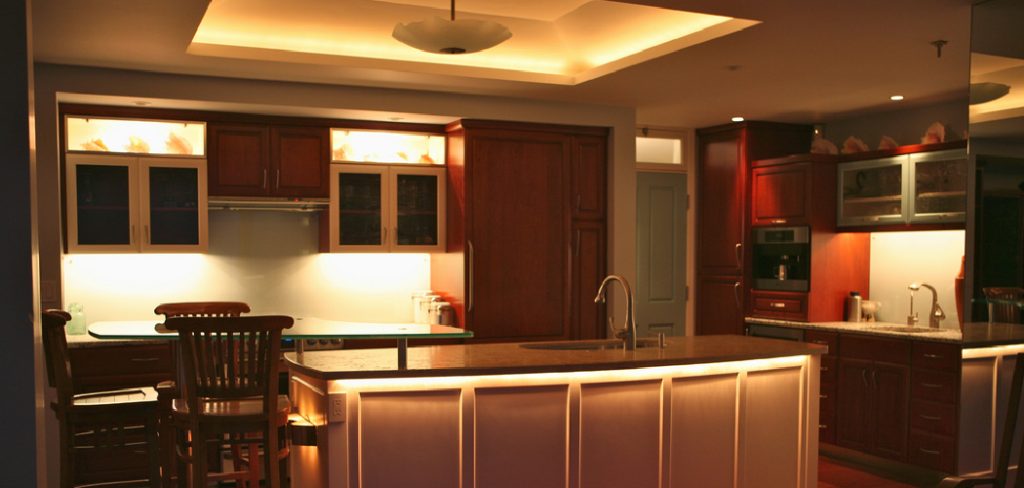
Assess Your Space to Choose Kitchen Lighting
Before you can decide on the best kitchen lighting, start by carefully evaluating your space. Each kitchen has different needs depending on size, layout, and how you use it every day.
Measure Room Size and Ceiling Height
The foundation of a great lighting plan begins with accurate measurement. Determine your kitchen’s square footage and ceiling height; these numbers will help you estimate how many fixtures you need, their dimensions, and how much total light output (lumens) is required for an even, pleasant illumination. Knowing your ceiling height also guides decisions about which fixture types—such as recessed lights, pendants, or chandeliers—will suit the space both aesthetically and functionally.
Identify Key Kitchen Zones and Tasks
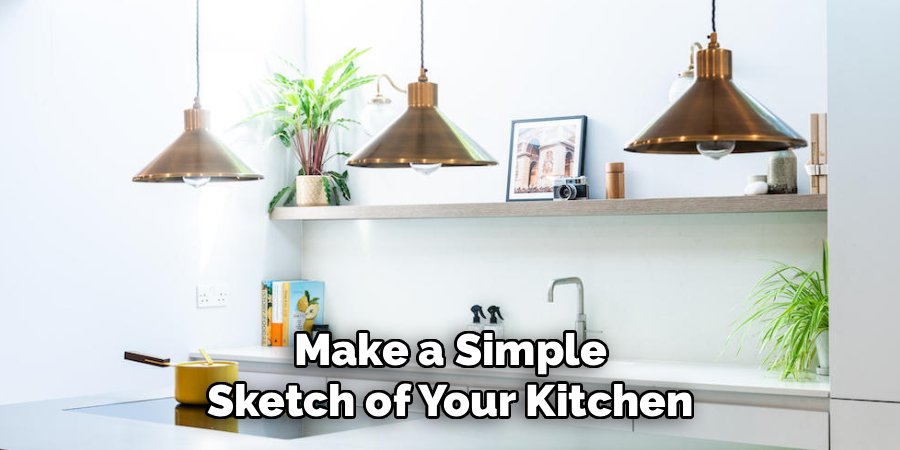
Kitchens function in zones: food prep at the main counter, cooking at the range, cleaning at the sink, and gathering around the island or dining area. Make a simple sketch of your kitchen, noting each work area. This will allow you to select targeted lighting solutions, ensuring every corner is properly lit for tasks and every gathering spot feels welcoming.
The Three Essential Layers of Lighting: Ambient, Task, and Accent
The secret to a balanced, flexible kitchen lighting plan is using three distinct layers: ambient, task, and accent lighting. Understanding how these layers work together ensures you won’t end up with dark corners or harsh, glaring shadows.
Ambient Lighting: The Overall Foundation
Ambient lighting provides comfortable, overall illumination for the kitchen, making it easy to move around and work safely. This foundational layer typically uses recessed or flush-mount fixtures, or a large central light, for broad, even coverage. The goal is to eliminate dark spots and set a comfortable “base” for your whole space.
Task Lighting: The Functional Workhorse
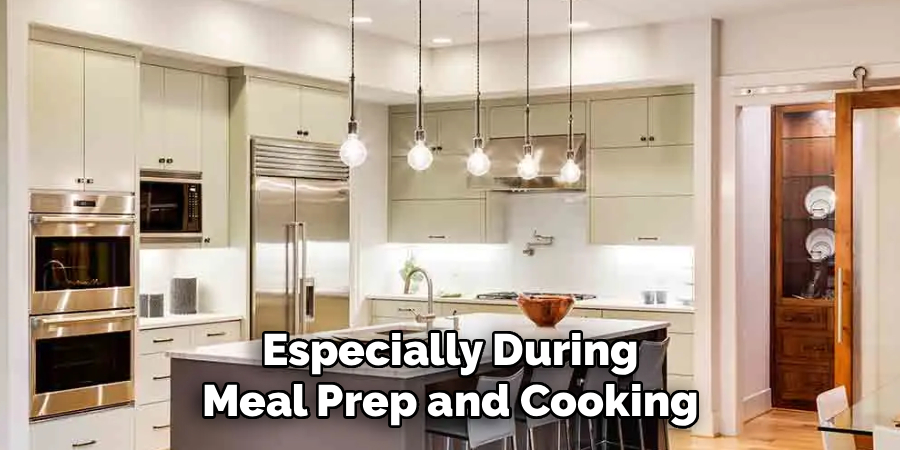
No matter how bright your ambient light, special attention is needed for work zones. Task lights, such as under-cabinet LEDs or pendant lights over the island, provide focused lighting for chopping, reading recipes, and cleaning up. Properly installed, they improve visibility and safety—especially during meal prep and cooking.
Accent Lighting: The Decorative Touch
Accent lighting elevates a kitchen’s appearance by drawing attention to its best features—think illuminated backsplashes, art niches, or glass cabinet displays. These decorative lights lend depth, warmth, and style, allowing your kitchen to reflect your personality.
How to Choose Kitchen Lighting: Common Fixture Types and Where They Shine
Choosing the right fixture for each layer and zone is crucial to success in your kitchen lighting plan.
Recessed Lights for Seamless Ambient Light
Recessed or “can” lights are unobtrusive, offering wide, even light that disappears into the ceiling—perfect for general illumination in both modern and traditional kitchens.
Pendants and Chandeliers as Focal Points
Pendant lights serve double duty: they provide directional task lighting and also function as a striking design element, particularly above islands and sinks. Chandeliers, on the other hand, can act as dramatic focal points over dining tables or breakfast nooks, giving your kitchen elegance and personality.
Under-Cabinet Lighting for Shadow-Free Task Areas
Shadowy countertops can be frustrating and unsafe. Under-cabinet lighting—whether as sleek LED strips or small pucks—directs light exactly where you need it, eliminating shadows cast by upper cabinets and people working at the counter.
Track Lighting for Versatility
Track lighting can adapt to changing needs. A single rail can carry multiple adjustable heads, letting you spotlight key work zones, highlight artwork, or adapt to evolving layouts with ease.
Sconces for Style and Wall-Washing
Wall sconces add a touch of style and provide soft, ambient, or accent light. Positioned on either side of a window, range hood, or artwork, they can balance out your kitchen’s illumination and serve as a decorative detail.
Understanding Color Temperature and CRI
Beyond fixture selection, it’s essential to understand how light color and quality affect your kitchen’s look and function.
Choosing the Right “Warmth”: 2700K–3000K vs. 3500K–4000K
Light color is measured in Kelvins (K). Warm white (2700K–3000K) gives a cozy, yellowish glow suitable for dining and relaxing. Cooler white (3500K–4000K) delivers crisp, clear illumination, perfect for task areas where visibility matters. Use warmer tones for the dining area and cooler tones over prep spaces for the right balance.
The Importance of a High CRI for Food
The Color Rendering Index (CRI) measures how well a light source shows true colors compared to daylight (on a 0–100 scale). A CRI of 90+ is recommended in kitchens so natural hues of produce, meats, and baked goods look appealing and are easy to assess for freshness and doneness.
Professional Layout and Spacing Guidelines
Even the highest quality fixtures will disappoint if placed without a plan. Use these simple rules to guide installation.
Spacing Rules for Recessed Lighting
Avoid “cave” effects by spacing recessed lights properly. Divide your ceiling height by two—that’s the general distance between lights (for example, use 4-foot spacing for an 8-foot ceiling). Keep fixtures 24–30 inches from the walls to brighten countertop work areas effectively.
Pendant Heights and Spacing Over Islands
Hang pendants over islands so the bottom sits 30–36 inches above the surface. When using multiple pendants, space them 24–30 inches apart for even light and a balanced design. These guidelines ensure proper illumination without obstructing sightlines or crowding the workspace.
Dimmers, Controls, and Smart Lighting
Optimizing your lighting goes beyond fixture choice—flexible controls help adapt the mood and function throughout the day.
The Power of Dimmers, Zones, and Scenes
Dimmers on each lighting layer let you brighten the kitchen for meal prep or soften it for after-dinner relaxation. Grouping different fixture types into zones—each on separate switches—lets you customize the experience for every activity, from cooking to entertaining guests.
The Convenience of Occupancy Sensors and Smart Systems
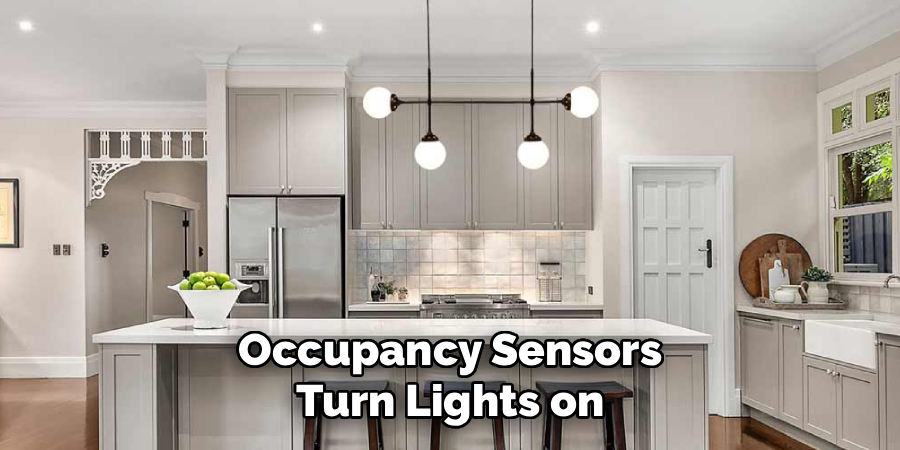
Modern automation can make your kitchen lighting both smarter and more efficient. Occupancy sensors turn lights on or off when you enter or leave, saving energy. Smart systems with app or voice control can schedule lights, set moods, and adjust scenes, offering maximum convenience.
Energy Efficiency and Modern Bulb Choices
To save energy and reduce maintenance, invest in the latest lighting technology and standards.
Why LEDs Are the Modern Standard
LED bulbs lead the industry for durability, low power usage, and cool operation. They last much longer than old incandescents or compact fluorescents, reducing both energy costs and the hassle of frequent replacement.
Thinking in Lumens, Not Watts
“Wattage” once described both energy use and brightness, but LEDs flip the script. Now, look for lumens—the measure of actual light output. For example, a 60-watt incandescent is about 800 lumens in LED form. Understanding lumens helps you choose the right brightness for each space.
Looking for the ENERGY STAR Label
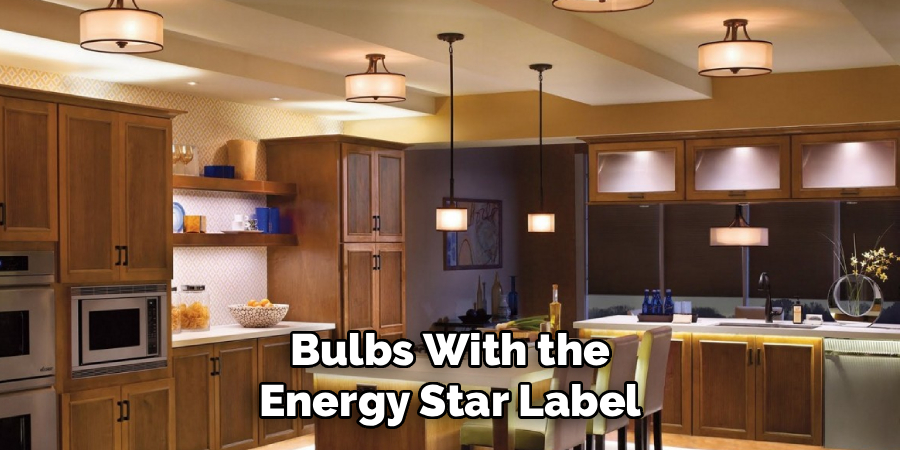
Seek out fixtures and bulbs with the ENERGY STAR label. These products are independently certified to meet tough standards for quality and energy savings, giving you better performance and lower utility bills.
Integrating Style and Choosing Finishes
Lighting isn’t just functional—it’s also a key style component that ties your kitchen together.
Coordinating Metals and Finishes
Think of lighting hardware as your kitchen’s jewelry. Match the finish of fixtures to faucets, cabinet hardware, and appliances for a unified look. Mixing metals—like combining matte black and brushed brass—can also create a custom, layered feel that’s on-trend but timeless.
Getting Scale and Proportion Right
Choose fixtures that suit your kitchen’s scale. Many people pick lights that are too small; when in doubt, opt slightly larger—especially over islands—to make a confident design statement.
Budgeting for Lighting and Installation
A well-illuminated kitchen is an investment that pays off in daily comfort and long-term value.
When to DIY vs. When to Hire an Electrician
Small updates, like changing bulbs or installing stick-on LED strips, are perfect for DIY. Any project involving new wiring, changing junction boxes, or installing hardwired fixtures should be handled by a licensed electrician for safety and code compliance.
Allocating Your Budget
Plan for all components: not just the fixtures, but also bulbs, dimmers, switches, and any necessary labor. High-quality lighting may cost more upfront but delivers years of improved function, beauty, and home value.
Conclusion
The true secret to great kitchen lighting is layering—combining thoughtfully planned ambient, task, and accent lighting tailored to your space. Start by mapping your kitchen layout and noting each primary work zone. Select high-quality fixtures and bulbs that enhance both function and style, aiming for control and flexibility with dimmers and zones.
Embrace modern LEDs, pay attention to color temperature and CRI, and don’t skimp on professional installation for complex jobs. By following this guide on how to choose kitchen lighting, you’ll create a space that’s both brilliantly illuminated and perfectly personalized to your needs. Begin your journey today: sketch a plan, identify your zones, and let your new lighting system transform the heart of your home.

About
Diane Lo is a distinguished figure in the world of kitchen innovation and culinary design, with over a decade of expertise creating functional and sustainable kitchen environments. Her professional focus lies in merging ergonomic spatial planning with modern culinary technology, fostering kitchen layouts that are both highly practical and aesthetically refined. As the lead expert at Kitchenub, Diane Lo delves into the art and science of kitchen organization, appliance selection, and workflow efficiency, inspiring home cooks and professional designers alike.
Education
Royal Melbourne Institute of Technology (RMIT University) (Melbourne, Australia) Associate Degree in Interior Design and Spatial Planning Focus on sustainable kitchen layouts, user-centric design, and ergonomic efficiency. Gained hands-on experience in high-traffic commercial kitchen modeling and advanced space-saving architecture.
Nottingham Trent University (United Kingdom) Bachelor’s in Product Design and Culinary Architecture (Honors) Specialized in the intersection of kitchen technology and lifestyle design. Participated in major industry collaborations, working with premium appliance manufacturers and cabinetry firms to gain real-world insights into modern kitchen workflows.
Publications and Impact
At Kitchenub, Diane Lo shares her expert insights on kitchen renovation processes, material durability, and strategies for achieving peak culinary productivity. Her writing effectively bridges the gap between professional culinary needs and home design, making it an essential resource for those looking to transform their kitchen into a highly efficient and welcoming heart of the home.