

A cluttered and ineffvicient kitchen can turn even the simplest food prep into a frustrating scavenger hunt. We’ve all experienced the pain of overcrowded countertops, stuffed cabinets, and the elusive search for that one perfect tool hidden at the back of a drawer. For many, limited kitchen space feels like a constant battle, made worse by pantries packed with expired goods and cabinets overflowing with unused gadgets. Yet, contrary to what you might believe, you don’t need a full-scale renovation or a massive budget to transform your culinary workspace.
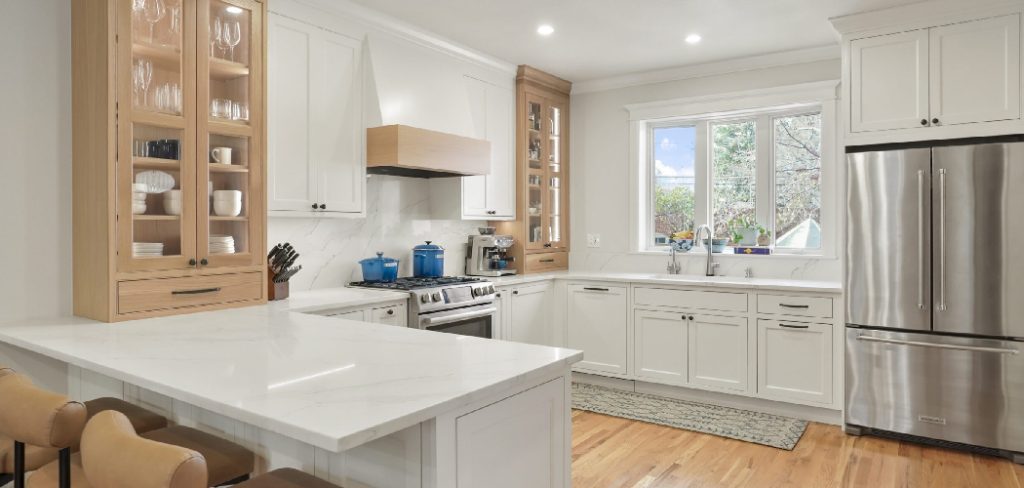
This comprehensive guide will show you exactly how to maximize kitchen storage, enabling you to reclaim both your space and your peace of mind. With a blend of practical strategies, clever design upgrades, and simple organizational habits, you can create a kitchen that feels open, streamlined, and perfectly suited to your needs. Each solution is approachable, effective, and tailored to make the most out of whatever space you have—no matter its size or shape. By the end, you’ll be equipped and empowered to turn your kitchen into its best version ever.
The Audit and Declutter Plan
A successful storage revamp begins with a thorough audit and a commitment to declutter. This initial phase lays the critical groundwork for every upgrade to come—you can’t maximize storage when your cabinets are bogged down by excess or disorganization.
Take a Complete Inventory by Zone
Start your journey by taking a methodical inventory of everything in the kitchen. Approach this by zones—empty one drawer, cabinet, or shelf at a time. As you remove items, group similar objects together. Pots can go with pots, utensils with utensils, and so on.
This step isn’t just about counting what you own; it’s about gaining a true sense of what you actually use versus what just takes up space. You’ll likely spot duplicates—four spatulas, three cheese graters, or gadgets that promised miracles but never left their packaging. By laying everything out before you, patterns emerge: what’s essential becomes clear, and what’s clutter is easier to see.
Implement the Keep, Toss, Donate System
Once your inventory is spread out, implement a simple yet ruthless system: keep, toss, or donate. Items in the “keep” pile should be those you use regularly and that work well. Broken gadgets, expired items, stained plastics missing their lids—these belong in the “toss” category. A surprising number of tools are still perfectly good but simply don’t serve your current needs; these are prime candidates for donation.
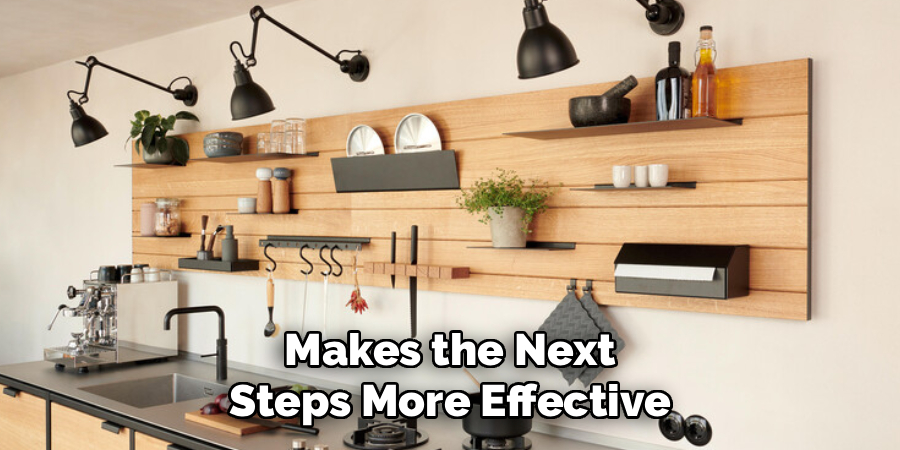
This process is transformative. Every item that leaves your kitchen frees up precious space and makes the next steps more effective. It can be tough at first, but remember—every inch you reclaim is a step closer to an organized, stress-free space.
Vertical Space and Wall-Mounted Strategies
Once your kitchen is free from clutter, it’s time to rethink how you use the vertical real estate. This is one of the most powerful approaches for anyone learning how to maximize kitchen storage, especially in tight quarters.
Using Wall Rails and Magnetic Strips
Walls offer an often-untapped opportunity. Installing a simple metal rail along a backsplash or blank wall creates instant hanging space. S-hooks snapped onto the rail to hold utensils, mugs, or even small pans, clearing valuable counter and drawer space. For knives, a magnetic strip is not only a space-saver, but a safer, more hygienic storage option. It keeps blades visible and accessible while preserving precious drawer space.
Installing Pegboards and Tall Pantry Shelving
A custom-cut pegboard transforms a wall into a flexible, ever-adaptable organizer. Arrange hooks and baskets in whatever combination best suits your needs—pots, pans, oven mitts, or spice shelves. In pantries or tall cabinets, don’t let the area above go to waste. Add extra shelves or stackable inserts; this lets you use vertical space efficiently, preventing the classic problem of having items teetering in tall, unstable towers where the top is always out of reach.
High-Impact Inside-Cabinet Upgrades
Optimizing the insides of your cabinets can dramatically boost their storage potential, making deep closets and awkward corners practical again.
Installing Pull-Out Trays and Lazy Susans
Deep lower cabinets often become dark, inaccessible “black holes.” Installing pull-out trays can solve this issue, allowing you to slide the contents into view and within easy reach. For corner cabinets, a well-fitted Lazy Susan makes even the furthest space usable; spinning shelves give you easy access to otherwise buried items. There are also modern pull-out systems customized for corners, bringing all contents front and center.
Using Tiered Risers for Cans and Spices
Stacking cans and spices makes it hard to keep track of inventory. Tiered risers—simple step-like shelves—ensure everything is visible, right down to the smallest spice jar lurking in the back. You’ll save money and time by preventing duplicate purchases of items you already own but just can’t see.
Leveraging Door-Mounted Racks
The inside surfaces of cabinet or pantry doors present more untapped potential. Installing slim racks or organizers on these doors provides a spot for spice jars, rolls of wrap, or cutting boards. This discreet layer of storage keeps essential tools within easy reach and makes use of space that was formerly going to waste.
How to Maximize Kitchen Storage: A Masterclass in Drawer Optimization
Drawers, when left to their own devices, are prime sites for kitchen chaos. With the right strategies, they can become models of clarity and convenience.
The Power of Adjustable Dividers
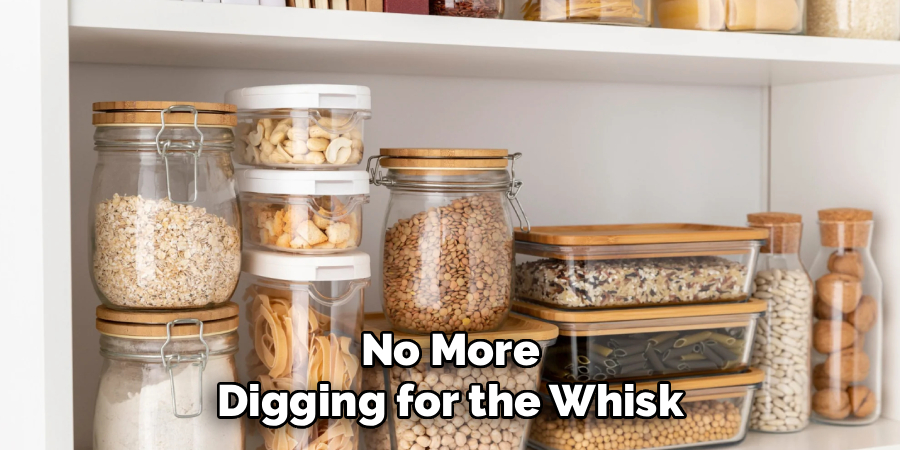
A drawer without organization quickly devolves into a jumble of spoons, spatulas, and random gadgets. Adjustable dividers change that. By customizing compartments within each drawer, you can designate spots for every utensil and tool, stopping clutter before it starts. No more digging for the whisk or untangling tongs—everything has a home.
Storing Pan Lids and Baking Sheets File-Style
Storing pan lids and baking sheets in a pile is asking for disaster. Instead, stand them vertically using a sturdy rack, as if filing folders. You’ll never again set off an avalanche just trying to get a single tray out.
Creating Dedicated Utensil and Gadget Zones
Consider assigning each drawer a theme: everyday cutlery in one near the dishwasher, prepping tools like peelers and zesters near your cutting board, and less-used or seasonal gadgets in a harder-to-reach spot. This zoning technique speeds up meal prep and clean-up by keeping tools close to where they’re needed.
Smart Storage for Small Appliances and Bulky Items
Finding homes for appliances and oversized cookware can be challenging, but it’s essential to maximizing your kitchen’s storage potential.
Creating an “Appliance Garage”
For those who value clear counters, an “appliance garage” is the solution. Set aside a section of deep cabinetry or install a lift-up-door compartment just for small appliances like blenders, toasters, or food processors. This keeps these tools handy but out of sight, preserving a clean, open feel on your work surfaces.
The Seasonal and Occasional-Use Rotation
Not every kitchen item earns year-round real estate. Those bulky roasting pans, specialty cake molds, or holiday dishes can be banished to higher cabinets, shelves in the garage, or even clean storage spaces in the basement. By rotating these items based on the season, you’ll make the items you reach for every day much easier to access.
The Transformative Effect of Decanting and Container Systems
Decanting, or transferring pantry and dry goods from original packaging into clear, standardized containers, unlocks surprising benefits when you’re focused on how to maximize kitchen storage.
Using Clear Bins and Baskets
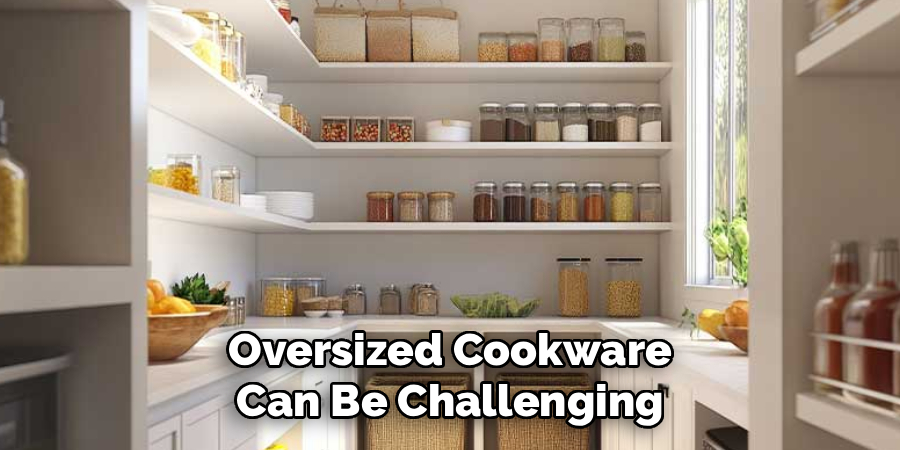
In both pantries and drawers, grouping items within clear bins has immediate payoffs. Not only does it create structure—snacks, baking supplies, breakfast grains each in their own “zone”—but it lets you pull out an entire category at once. When you can see what you have, inventory management and shopping become much simpler.
The Importance of Labeling Everything
Labeling isn’t just for appearance; it’s essential for maintaining a system. Each container, bin, and shelf should have a label, so you (and other household members) know exactly where everything belongs. Labeled zones also make it easier to keep the organization going over the long term.
Standardizing Container Sizes for Efficient Stacking
Irregular packaging wastes space and creates frustration. Transferring pantry basics like flour, sugar, and cereal into stackable, uniform containers allows for efficient use of shelves and a tidy, visually calming look. Plus, with airtight seals, your ingredients stay fresher longer.
Claiming Micro-Spaces and Conquering Dead Zones
Every kitchen has awkward spaces that seem too small or inaccessible to be useful. Harnessing these micro-spaces can make a meaningful difference.
Unlocking Toe-Kick Drawers
The shallow strip below your lower cabinets (the “toe kick”) is a hidden storage frontier. Installing custom toe-kick drawers lets you stash seldom-used but flat items—think baking trays, serving platters, or table linens—right where they’re easy to reach but tucked out of sight.
Utilizing the Space Above the Fridge and Cabinets
The area above your refrigerator or upper cabinetry is often little more than a dust zone. Repurpose it by using attractive storage baskets or bins for items you rarely use, such as holiday cookie cutters or extra platters. This transforms wasted air into valuable storage without any major modifications.
Smart Solutions for Awkward Corners
While a Lazy Susan is classic, some corners call for more creative thinking. Installing angled, adjustable shelves allows you to fit bulk pantry staples or display a tall glass jar filled with utensils or pasta. Sometimes the most unlikely spot becomes the perfect solution.
Rental-Friendly and Budget-Savvy Hacks
Whether you’re renting or simply want cost-effective improvements, there are clever, temporary ways to boost storage without sacrificing your security deposit or finances.
Damage-Free Adhesive Hooks and Strips
Adhesive hooks are a renter’s secret weapon. They attach anywhere—inside cabinet doors for hanging measuring cups, on backsplash tiles for utensils, or under shelves for mugs—then remove cleanly when you move. These hooks instantly multiply your options for using vertical and hidden space.
Using Tension Rods Creatively
Tension rods, both horizontal and vertical, expand what’s possible. Slip a horizontal rod below the sink, and hang cleaning sprays by their triggers; slide a vertical rod into a deep cabinet to “file” cutting boards or pot lids. These affordable devices are as adaptable as your imagination.
The Flexibility of Rolling Carts
A slim rolling cart, tucked next to a fridge or between counters, becomes a pop-up pantry for oils, spices, or dried goods. Because it’s mobile, you gain both extra storage and flexibility to change your kitchen’s set-up as your needs evolve—all without permanent installation.
Maintenance Routines to Keep the Clutter at Bay
The real secret to maximizing kitchen storage isn’t just the first makeover—it’s maintaining your organized space for the long haul with simple, consistent routines.
The 10-Minute Weekly Reset
Set aside just ten minutes once a week to restore kitchen order. Return stray utensils, wipe down counters, and tidy up your pantry. This tiny investment prevents small messes from spiraling into full-scale chaos and makes deep cleans less daunting.
A Simple Quarterly Purge Checklist
At the change of each season, perform a brisk “quick clean.” Toss expired food from the pantry and fridge, check cookware for cracks or lost lids, and recycle or donate anything you no longer need. These short, regular sessions help you dodge clutter build-up and keep your kitchen agile for new cooking adventures.

Conclusion
A beautifully organized kitchen is closer than you think—no matter your home’s size or your budget constraints. The key steps—decluttering, leveraging vertical and inside-cabinet space, upgrading storage systems, and conquering micro-zones—are accessible to everyone willing to tackle their space with intention. By making these strategies part of your regular habits rather than a one-off project, you ensure your hard-won order lasts.
Remember, the journey of learning how to maximize kitchen storage is about reclaiming not just physical space, but also mental peace and the daily joy of cooking. Start with just one change, and let the momentum of a tidier, more inviting kitchen inspire your next. With a little creativity, discipline, and the right tips, your kitchen can truly become the welcoming heart of your home.

About
Diane Lo is a distinguished figure in the world of kitchen innovation and culinary design, with over a decade of expertise creating functional and sustainable kitchen environments. Her professional focus lies in merging ergonomic spatial planning with modern culinary technology, fostering kitchen layouts that are both highly practical and aesthetically refined. As the lead expert at Kitchenub, Diane Lo delves into the art and science of kitchen organization, appliance selection, and workflow efficiency, inspiring home cooks and professional designers alike.
Education
Royal Melbourne Institute of Technology (RMIT University) (Melbourne, Australia) Associate Degree in Interior Design and Spatial Planning Focus on sustainable kitchen layouts, user-centric design, and ergonomic efficiency. Gained hands-on experience in high-traffic commercial kitchen modeling and advanced space-saving architecture.
Nottingham Trent University (United Kingdom) Bachelor’s in Product Design and Culinary Architecture (Honors) Specialized in the intersection of kitchen technology and lifestyle design. Participated in major industry collaborations, working with premium appliance manufacturers and cabinetry firms to gain real-world insights into modern kitchen workflows.
Publications and Impact
At Kitchenub, Diane Lo shares her expert insights on kitchen renovation processes, material durability, and strategies for achieving peak culinary productivity. Her writing effectively bridges the gap between professional culinary needs and home design, making it an essential resource for those looking to transform their kitchen into a highly efficient and welcoming heart of the home.