

Lighting a gas stove manually can seem daunting, especially for beginners, but it’s a valuable skill to know in case of power outages or ignition malfunctions. Many modern stoves have electronic ignition systems that can fail, and knowing how to safely light the burners by hand ensures you’re never left without a way to cook.
This guide will walk you through the entire process, from the precautions you should take to the materials required and step-by-step instructions on how to light a gas stove manually. By the end, you’ll feel confident handling this common household task with safety and ease.
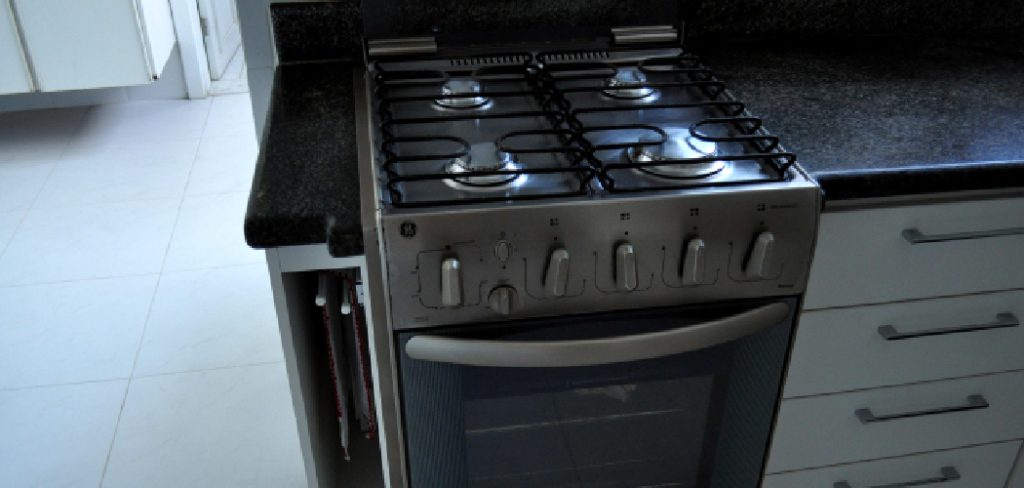
Why You Should Know How to Manually Light a Gas Stove?
In today’s world, gas stoves are the most common type of stove used in households. They are efficient, cost-effective, and provide precise temperature control for cooking. However, they also come with some potential risks, such as gas leaks or power outages that can leave you without a working stove.
Knowing how to manually light a gas stove provides peace of mind and ensures that you’re always prepared for unexpected situations. It also allows you to continue using your stove even if there is an issue with the electronic ignition system or other parts.
Safety Precautions
Before attempting to light your gas stove manually, always ensure the area is well-ventilated. Open nearby windows and doors to allow for proper air circulation and prevent gas buildup. Never use matches or lighters near leaking gas, as this can be extremely dangerous and cause an explosion.
Check for the smell of gas before proceeding; if you detect a strong odor, do not attempt to light the stove, and call your gas provider immediately. Keep flammable materials, such as paper towels and kitchen cloths, away from the stove area. Always use long-handled lighters or matches to maintain a safe distance from the flame and avoid burns. Make sure your sleeves are rolled up and there are no loose clothing items that could catch fire while lighting the stove.
Tools and Materials You’ll Need
- Long-handled Lighter or Match
- Oven Mitts (Optional, for Extra Protection)
- Flashlight (if Lighting in a Dim Area)
- Stove User Manual (to Reference Your Specific Model)
- Baking Soda (on Hand in Case of Small Grease Fires)
- Ventilation (Open Windows or Exhaust Fan)
8 Simple Step-By-Step Guidelines on How to Light a Gas Stove Manually
Step 1: Prepare the Area
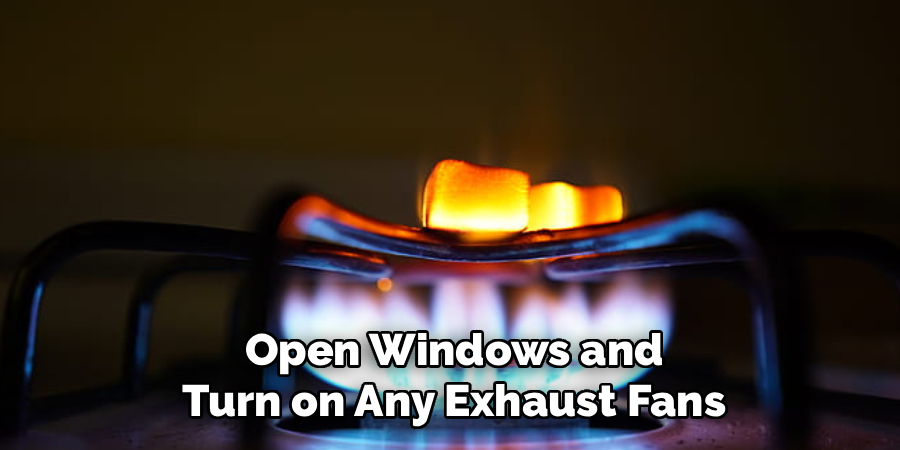
Before beginning, make sure your kitchen is well-ventilated. Open windows and turn on any exhaust fans to help disperse gas fumes. It’s important to have a clear workspace without clutter around the stove.
Ensure you have your tools handy—a long-handled lighter or match and, if needed, a flashlight. Remove any flammable items from the vicinity of the stovetop before proceeding to the next step.
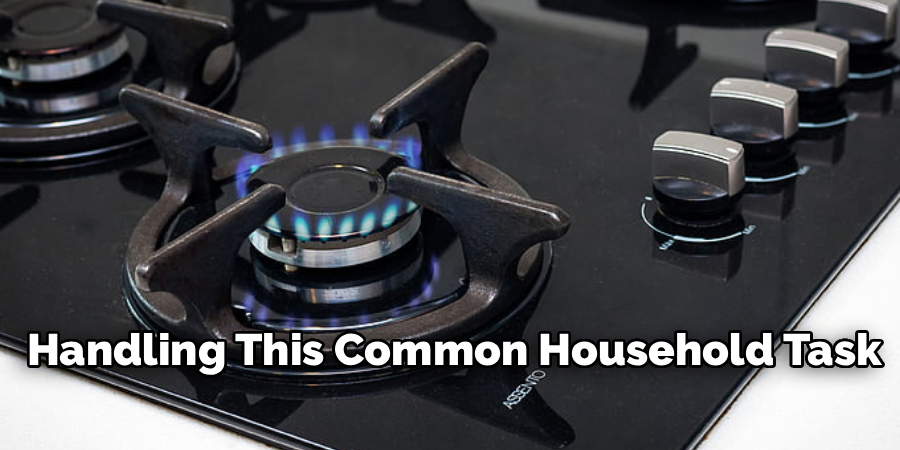
Step 2: Read the Stove Manual
Refer to your stove’s user manual for any specific instructions or warnings related to manual ignition. Different models may have unique safety features or procedures that you should be aware of.
Reading the manual can help you understand how your stove’s gas flow is controlled, where the burners are located, and the correct steps for lighting. This preparation helps minimize risks and ensures proper operation.
Step 3: Ensure All Burner Knobs Are Off
Double-check that all burner knobs are in the “off” position before you start. This prevents any unintentional gas flow before you’re ready to ignite the burner.
Taking this precaution avoids unnecessary gas buildup, which could cause a dangerous flare-up when a flame is introduced. This is a critical safety step that should never be skipped.
Step 4: Position the Lighter or Match
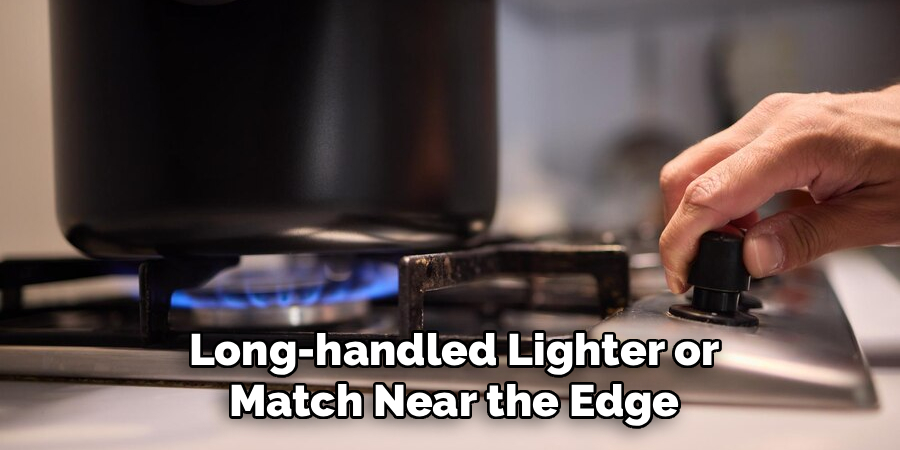
Hold your long-handled lighter or match near the edge of the burner you wish to light. Make sure your hand is steady and your body is positioned away from the stove.
This placement allows for quick ignition while keeping your hand a safe distance from where the flame will appear. It also ensures you’re ready to ignite the gas as soon as you turn the knob.
Step 5: Turn on the Burner Knob
Slowly turn the burner knob to the “light” or “ignite” position while your lighter or match is in place. You should hear the gentle sound of gas flowing from the burner.
As soon as you hear the gas, ignite it immediately. Delays between turning the knob and lighting the burner could allow gas to accumulate, increasing the risk of a sudden flare-up.

Step 6: Adjust the Flame
Once the burner ignites, adjust the flame using the control knob. Set it to the desired level for your cooking needs; usually, a low-medium flame is safest for initial ignition.
Watch the flame to ensure it is steady and blue, which indicates efficient burning. If the flame sputters or is yellow, turn off the burner and investigate potential issues.
Step 7: Monitor the Burner
Keep an eye on the burner for several seconds after ignition to ensure the flame remains stable. If it goes out or flickers, turn off the burner and wait a minute before trying again.
Monitoring the burner also gives you time to make further adjustments if needed. Never leave a newly lit gas burner unattended.
Step 8: Turn Off Safely
When you’re done cooking, turn the burner knob back to the “off” position firmly. Confirm that the flame goes out completely and no residual gas is being released.
Let the burner cool down before cleaning or covering it. Make a habit of double-checking all knobs to ensure your kitchen is safe and free of gas leaks.
Following these steps on how to light a gas stove manually will help you cook your favorite meals efficiently and safely. However, it is important to remember that safety should always come first.
Troubleshooting Tips
If the burner fails to ignite after multiple attempts, check that your lighter or match is working properly and that the gas supply is on. Residue or spills on the burner can sometimes block the flow of gas, so ensure the burner components are clean and dry.
Listen for the sound of gas; if you don’t hear it, the valve may not be open, or there might be a block in the line. If you smell gas at any point, stop immediately and ventilate the area—never attempt to keep the lights on until the odor is gone. For persistent issues, consult your user manual or call a licensed professional for assistance.
Common Mistakes to Avoid
When troubleshooting gas burners, some common mistakes can lead to further issues or even safety hazards. One frequent mistake is attempting to light the burner without checking for gas leaks first. Always ensure there is no gas odor before proceeding. Another oversight is neglecting to clean the burner components regularly, as accumulated residue can block gas flow and decrease efficiency.
For those with electronic ignition systems, using excessive force on the knobs can damage the components and cause malfunctions. Additionally, forgetting to turn off the gas supply when cleaning or servicing the appliance can result in dangerous situations. Lastly, avoid tampering with complex components if you are not trained—always consult with a professional for repairs or maintenance beyond simple troubleshooting.
Frequently Asked Questions
Q1: Why Won’t My Gas Burner Light Manually?
A gas burner may fail to light manually if the burner ports are clogged or wet, which blocks the flow of gas. Check if there’s any residue or food spills on the burner that could be causing the issue. Also, make sure your lighter or match is working and the gas supply valve is open. If the stove is still unresponsive, refer to the user manual for troubleshooting advice or contact a certified technician.
Q2: Is It Safe to Light All Types of Gas Stoves Manually?
Most traditional gas stoves can be lit manually, but always check your user manual for model-specific instructions. Some modern gas appliances have safety features that may prevent manual ignition for specific reasons. If your stove is designed strictly for auto-ignition, do not attempt to light it by hand. When in doubt, consult the manufacturer or a professional.
Q3: What Should I Do If I Smell Gas Before Lighting the Stove?
If you smell gas in your kitchen, do not attempt to light the stove or create any sparks. Immediately ventilate the area by opening doors and windows, and turn off the gas supply if it is safe to do so. Leave the premises and contact your gas provider or emergency services for help. Never ignore the smell of gas, as it indicates a potentially dangerous leak.
Q4: Can I Use a Candle or a Regular Match to Light My Stove?
It is highly recommended to use a long-handled lighter or long matches instead of a regular match or candle. Short matches increase the risk of burns because your hand is too close to the flame, and candles may not provide a strong enough ignition source. Always prioritize safety by using proper tools designed for lighting gas appliances.
Conclusion
With careful attention to safety and the right tools, lighting a gas stove manually is a task anyone can master. Following the step-by-step guidelines on how to light a gas stove manually outlined above will help you handle unexpected ignition failures and keep your kitchen running smoothly.
Remember to prioritize safety at every stage and never hesitate to call for professional help if you encounter problems. Equipped with this knowledge, you can approach manual stove ignition with confidence and peace of mind.

About
Diane Lo is a distinguished figure in the world of kitchen innovation and culinary design, with over a decade of expertise creating functional and sustainable kitchen environments. Her professional focus lies in merging ergonomic spatial planning with modern culinary technology, fostering kitchen layouts that are both highly practical and aesthetically refined. As the lead expert at Kitchenub, Diane Lo delves into the art and science of kitchen organization, appliance selection, and workflow efficiency, inspiring home cooks and professional designers alike.
Education
Royal Melbourne Institute of Technology (RMIT University) (Melbourne, Australia) Associate Degree in Interior Design and Spatial Planning Focus on sustainable kitchen layouts, user-centric design, and ergonomic efficiency. Gained hands-on experience in high-traffic commercial kitchen modeling and advanced space-saving architecture.
Nottingham Trent University (United Kingdom) Bachelor’s in Product Design and Culinary Architecture (Honors) Specialized in the intersection of kitchen technology and lifestyle design. Participated in major industry collaborations, working with premium appliance manufacturers and cabinetry firms to gain real-world insights into modern kitchen workflows.
Publications and Impact
At Kitchenub, Diane Lo shares her expert insights on kitchen renovation processes, material durability, and strategies for achieving peak culinary productivity. Her writing effectively bridges the gap between professional culinary needs and home design, making it an essential resource for those looking to transform their kitchen into a highly efficient and welcoming heart of the home.