

Spinach is a nutrient-packed leafy green that can be a delicious addition to many meals. However, its delicate leaves require proper storage to maintain freshness and prevent spoilage. In this blog post, we’ll walk you through the steps on how to store spinach so that you can get back to using it in no time! So grab your tools, and let’s get started!By understanding the best methods to store spinach, you can extend its shelf life and enjoy it at its peak quality.
Types of Spinach and How Storage Varies
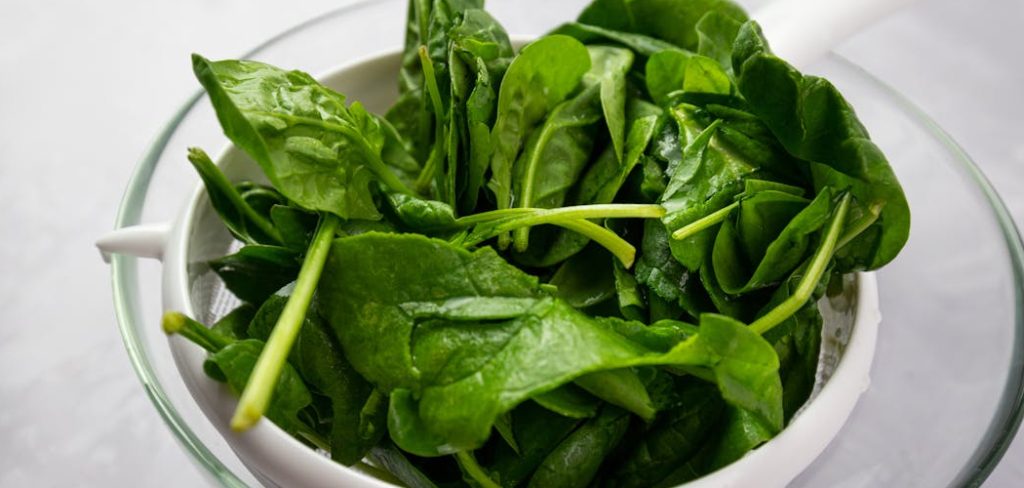
Spinach comes in several varieties, each with slightly different characteristics that can influence how it should be stored. The three main types of spinach are savoy, semi-savoy, and flat-leaf spinach.
- Savoy Spinach: This variety has dark green, crinkly, and curly leaves. Its textured surface tends to trap dirt and moisture, so it’s important to wash and dry it thoroughly before storing. To keep savoy spinach fresh, place it in a loose, breathable bag with a paper towel to absorb excess moisture.
- Semi-Savoy Spinach: Similar to savoy but with less pronounced crinkles, semi-savoy is slightly easier to clean. Storage recommendations are generally the same as savoy spinach—ensure it’s dry before refrigerating and keep it in a perforated plastic or mesh bag for good air circulation.
- Flat-Leaf Spinach (also known as smooth-leaf spinach): This type has smooth, broad leaves that are easier to clean, making it a convenient choice for salads and other recipes. Flat-leaf spinach can be stored in a sealed container with a dry paper towel to absorb moisture. Properly stored, it remains fresh for about a week.
Regardless of the type, avoid storing spinach in airtight containers without ventilation, as excess moisture and lack of air circulation could accelerate spoilage. Identifying the type of spinach you have and tailoring your storage method appropriately ensures the longest shelf life while preserving flavor and nutrients.
10 Methods How to Store Spinach
1. Store Unwashed Spinach in a Dry Paper Towel-Lined Container
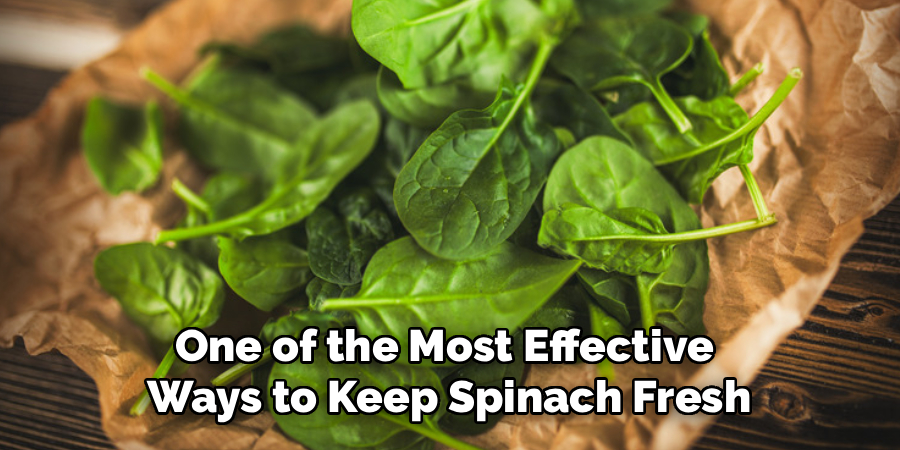
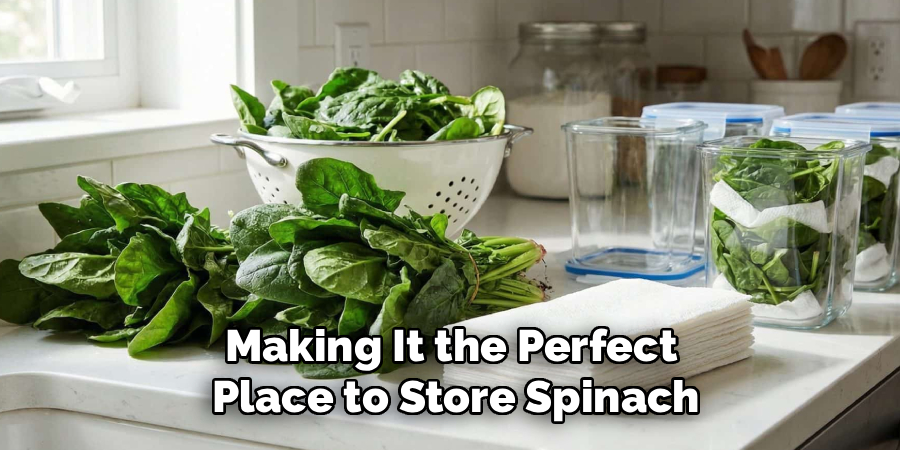
One of the most effective ways to keep spinach fresh for several days is to store it unwashed in a container lined with dry paper towels. Moisture is the primary cause of spinach spoilage, so avoiding excess dampness is essential. Line a large container with a couple of clean, dry paper towels and loosely place the spinach inside. Cover it with another towel before sealing the container. The towels help absorb any humidity while creating a dry environment that discourages wilting or rotting. This method is perfect for spinach bought in bulk or harvested from a garden and ensures it stays fresh for about a week.
2. Use a Salad Spinner for Thorough Drying Before Storage
If you’ve already washed the spinach or if it comes pre-washed and slightly damp, the best practice is to thoroughly dry the leaves using a salad spinner. Excess moisture clinging to spinach leaves can rapidly lead to deterioration, especially in sealed environments. After spinning, lay the spinach on a clean kitchen towel or layer of paper towels to air dry for a few minutes. Once dry, store the leaves in a container or zip-top bag lined with absorbent paper. Proper drying not only prevents early spoilage but also keeps the spinach crisp and vibrant.
3. Store in a Perforated Plastic Bag for Proper Air Circulation
Spinach needs some air to breathe, so storing it in a perforated plastic bag is another excellent method. The small holes allow a moderate exchange of air, which keeps the leaves from becoming soggy due to trapped moisture. At the same time, the bag protects the spinach from the dry air in the refrigerator, which could otherwise cause the leaves to shrivel. If you do not have a commercially perforated bag, you can poke tiny holes in a regular zip-top bag with a fork or skewer. This method keeps spinach fresh for up to five to seven days when refrigerated properly.
4. Keep Spinach in the Crisper Drawer of the Refrigerator
The crisper drawer is designed to maintain ideal humidity levels for leafy greens, making it the perfect place to store spinach. Whether you use a container or bag, always place your spinach in the crisper drawer to extend its shelf life. If your fridge has adjustable humidity settings, set the drawer to high humidity, which is optimal for moisture-sensitive produce like spinach. The consistent temperature and controlled environment help preserve texture and flavor without causing rapid spoilage.
5. Freeze Spinach for Long-Term Storage
If you have more spinach than you can consume within a few days, freezing is an excellent way to preserve it for later use. Begin by blanching the spinach for 30 to 60 seconds in boiling water, then immediately transfer it to an ice bath to stop the cooking process. Once cooled, drain thoroughly, and squeeze out excess water using a clean towel or your hands. Pack the spinach tightly into freezer-safe bags or containers, remove as much air as possible, and label them with the date. Frozen spinach works well in smoothies, soups, stews, and casseroles and can last up to a year in the freezer.
6. Vacuum Seal Spinach to Prevent Oxidation
Vacuum sealing is a high-efficiency storage technique that removes all air from the packaging, significantly slowing down the oxidation process that causes spoilage. After drying the spinach leaves, place them in vacuum-sealable bags and use a vacuum sealer to suck out the air. This not only increases the spinach’s shelf life in the refrigerator but also makes it ideal for freezing without freezer burn. The vacuum-sealed spinach will remain fresher for longer, retaining both its nutritional value and flavor.

7. Wrap Spinach in a Tea Towel and Store in a Container
Using a tea towel is a reusable, eco-friendly alternative to paper towels. Simply wrap the unwashed spinach leaves gently in a clean tea towel and place them inside a sealed container or large zip-top bag. The fabric absorbs excess moisture while allowing gentle airflow around the leaves. This method helps to reduce waste while effectively maintaining the spinach’s freshness. It’s particularly useful for those who frequently buy or harvest spinach and want a sustainable storage solution.
8. Layer Spinach with Paper Towels in a Zip-Top Bag
If you prefer bags over containers, a zip-top bag lined with paper towels works well. Place a layer of spinach in the bag, then a paper towel, then another layer of spinach, continuing the process until the bag is full but not overstuffed. Seal the bag while leaving a small gap to allow minimal airflow, then store it in the crisper drawer. This layered method prevents leaves from clumping together and reduces the risk of bruising, which can accelerate spoilage.
9. Dehydrate Spinach for a Shelf-Stable Option
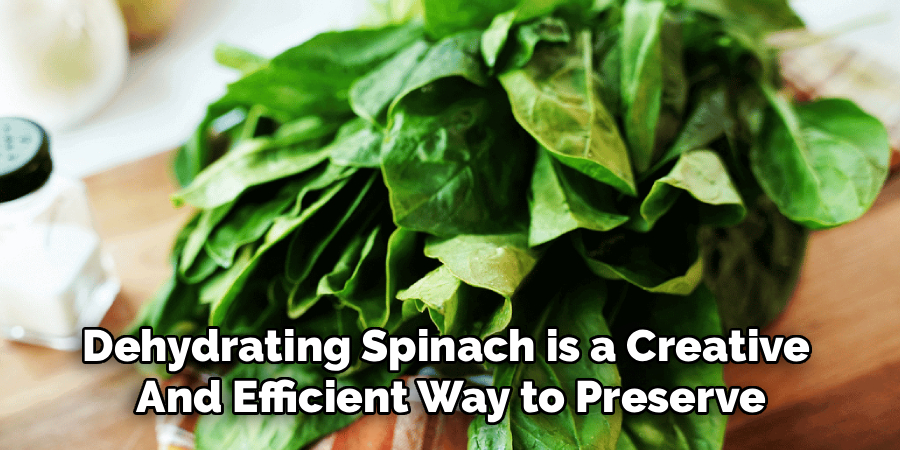
Dehydrating spinach is a creative and efficient way to preserve it without refrigeration or freezing. After washing and thoroughly drying the leaves, lay them in a single layer on dehydrator trays or a parchment-lined baking sheet. Dehydrate at a low temperature (around 125°F or 52°C) for several hours until completely crisp. Store the dried spinach in airtight glass jars or vacuum-sealed bags. You can later rehydrate it for soups or grind it into a powder for smoothies and seasoning blends. This method is excellent for preserving excess spinach with minimal space requirements.
10. Pickle or Ferment Spinach for Unique Preservation
For an unconventional and flavor-rich method, consider pickling or fermenting spinach. Blanch spinach briefly and place it in sterilized jars with vinegar, salt, garlic, and optional spices like chili flakes or mustard seeds. Seal and refrigerate the jars for a few days to allow the flavors to develop. Alternatively, you can ferment spinach using a saltwater brine, letting it sit at room temperature for several days before refrigeration. These preserved spinach products can be used in salads, rice bowls, or sandwiches, offering both extended shelf life and a unique culinary twist.
Maintenance and Upkeep
Proper maintenance and storage of preserved spinach are essential to ensure its freshness and safety for consumption. Always store jars in a cool, dark place or in the refrigerator to retain their quality. Check the seals regularly to ensure they remain tight and intact, as loose seals can lead to spoilage. For fermented spinach, monitor for any signs of mold or an off smell, which could indicate contamination. Use clean utensils when scooping spinach from the jar to prevent introducing bacteria. Consuming the preserved spinach within a few months of preparation is recommended for the best flavor and quality.
Conclusion
Proper spinach storage is essential to prevent waste, retain nutrients, and preserve freshness. Whether you choose a simple method like storing it in a paper towel-lined container or a more advanced technique like dehydration or vacuum sealing, each approach ensures that your spinach remains vibrant and usable for as long as possible. Thanks for reading our blog post on how to store spinach! We hope you found it helpful and informative.

About
Diane Lo is a distinguished figure in the world of kitchen innovation and culinary design, with over a decade of expertise creating functional and sustainable kitchen environments. Her professional focus lies in merging ergonomic spatial planning with modern culinary technology, fostering kitchen layouts that are both highly practical and aesthetically refined. As the lead expert at Kitchenub, Diane Lo delves into the art and science of kitchen organization, appliance selection, and workflow efficiency, inspiring home cooks and professional designers alike.
Education
Royal Melbourne Institute of Technology (RMIT University) (Melbourne, Australia) Associate Degree in Interior Design and Spatial Planning Focus on sustainable kitchen layouts, user-centric design, and ergonomic efficiency. Gained hands-on experience in high-traffic commercial kitchen modeling and advanced space-saving architecture.
Nottingham Trent University (United Kingdom) Bachelor’s in Product Design and Culinary Architecture (Honors) Specialized in the intersection of kitchen technology and lifestyle design. Participated in major industry collaborations, working with premium appliance manufacturers and cabinetry firms to gain real-world insights into modern kitchen workflows.
Publications and Impact
At Kitchenub, Diane Lo shares her expert insights on kitchen renovation processes, material durability, and strategies for achieving peak culinary productivity. Her writing effectively bridges the gap between professional culinary needs and home design, making it an essential resource for those looking to transform their kitchen into a highly efficient and welcoming heart of the home.