

Cucumbers are a versatile and refreshing vegetable, commonly used in salads, sandwiches, and a variety of dishes. Proper storage is essential to maintain their crisp texture and prevent spoilage. By following a few simple techniques, you can extend the freshness of cucumbers and reduce waste in the kitchen. In this blog post, we’ll walk you through the steps on how to store cucumbers so that you can get back to using it in no time! So grab your tools, and let’s get started!
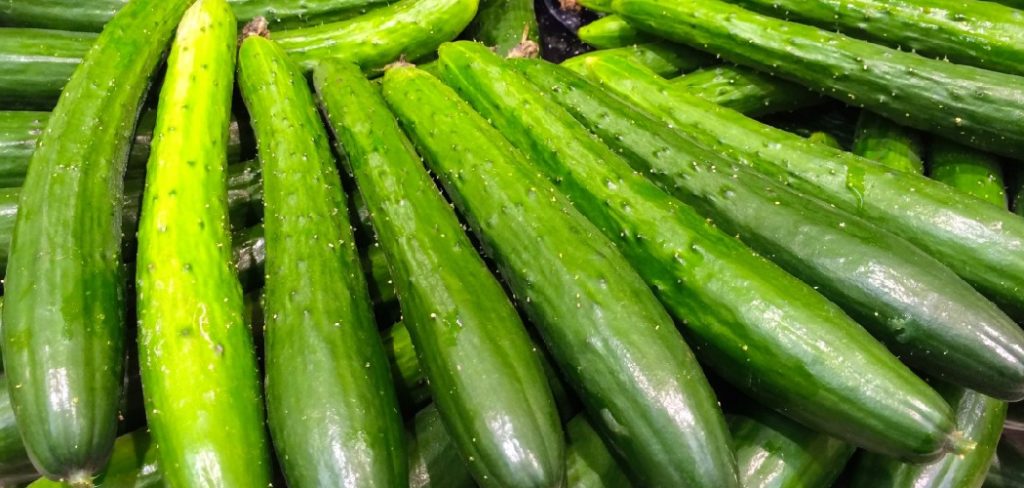
Why Proper Cucumber Storage Matters
Proper storage is key to preserving the quality and nutritional value of cucumbers. These vegetables have a high water content, which makes them prone to becoming mushy or spoiling quickly if not stored correctly. By taking care to store cucumbers properly, you can maintain their crisp texture, vibrant flavor, and overall freshness for longer. Additionally, reducing food waste is an important benefit of proper storage. When cucumbers stay fresh, you’re more likely to use them in your meals instead of discarding spoiled produce. Knowing how to store cucumbers effectively not only saves money but also contributes to a more sustainable kitchen.
Understanding Cucumber Varieties
Cucumbers come in many different varieties, each with unique characteristics that make them suitable for a range of culinary uses. The two most common categories are slicing cucumbers and pickling cucumbers. Slicing cucumbers, often larger with thick, dark green skin, are perfect for fresh consumption in salads or snacks due to their mild flavor and crisp texture. Pickling cucumbers, on the other hand, are shorter, with thinner skin and a firm interior, making them ideal for absorbing flavors during the pickling process. Additionally, seedless or “burpless” cucumbers are popular for their mild taste and digestibility. Exploring the different types of cucumbers available allows you to select the best variety for your recipes and enjoy their unique qualities to the fullest.
10 Methods How to Store Cucumbers
1. Wrap in Paper Towels and Store in a Plastic Bag in the Fridge
One of the most effective and commonly used methods to store cucumbers is to wrap them individually in dry paper towels before placing them in a plastic storage bag. This technique helps reduce moisture build-up, which can quickly cause cucumbers to become slimy or develop mold. The paper towels act as a barrier by absorbing any excess moisture while allowing for light air circulation.
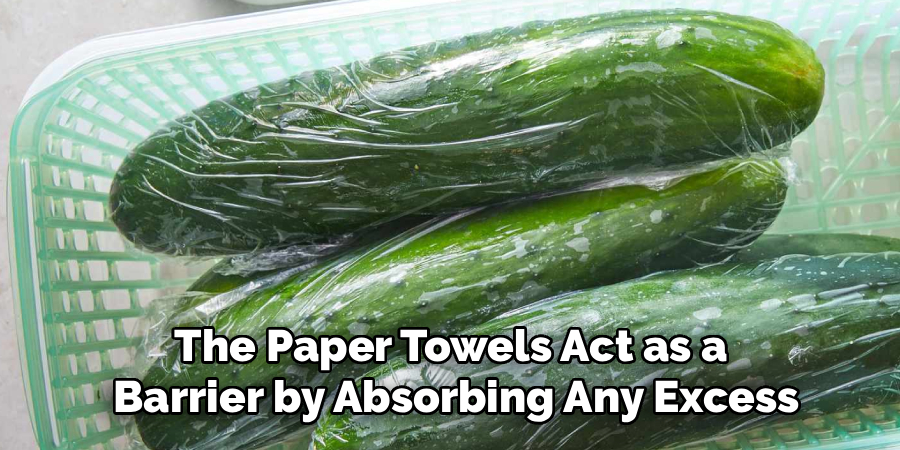
After wrapping, insert the cucumbers into a resealable plastic bag, but do not seal it completely airtight. Instead, leave a small opening for airflow. Place the bag in the crisper drawer of your refrigerator. This method can keep cucumbers crisp and fresh for up to a week or more, depending on the initial quality of the cucumbers.
2. Use a Resealable Container with a Ventilation Lid
Storing cucumbers in a ventilated plastic or glass container is another efficient way to maintain their freshness. Choose a container that has a vented lid or one that allows for some airflow while still protecting the cucumbers from dehydration. Before placing the cucumbers inside, line the container with a paper towel to absorb any condensation. Then, place the cucumbers in a single layer or loosely stacked with another layer of paper towel between them. This method ensures that the cucumbers are kept at an ideal moisture level while maintaining their firmness and extending their usability for salads, sandwiches, or snacks.
3. Wrap in Beeswax Wrap for a Plastic-Free Option
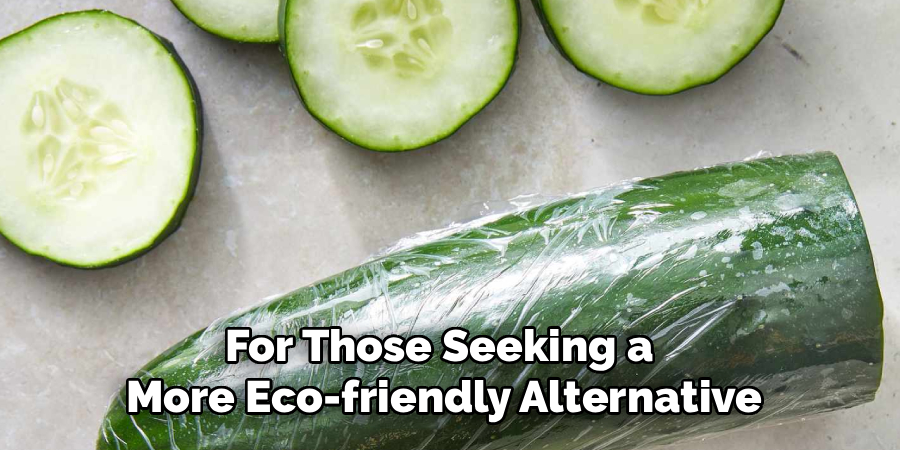
For those seeking a more eco-friendly alternative, wrapping cucumbers in beeswax wrap is an excellent choice. Beeswax wrap is breathable and naturally antibacterial, which helps prevent the growth of mold while slowing down the degradation process. Gently pat dry the cucumbers to remove any surface moisture, then wrap each one tightly in the beeswax fabric. Store them in the crisper drawer or on a refrigerator shelf. This method not only extends the freshness of the cucumbers but also aligns with sustainable living practices, making it a great option for environmentally conscious households.
4. Store at Room Temperature if Using Soon
Cucumbers are quite sensitive to cold temperatures and can become waterlogged or develop soft spots if stored too cold for too long. If you plan to consume them within a day or two, keeping cucumbers at room temperature in a dry, shaded area is perfectly acceptable. Place them on a kitchen counter away from direct sunlight or near heat-producing appliances. Avoid stacking cucumbers, as pressure can cause bruising. This short-term storage method preserves their natural texture and flavor, making them ideal for quick use in fresh dishes like salads or dips.
5. Use a Silicone Produce Keeper
Silicone produce keepers are specialized containers designed to store fruits and vegetables like cucumbers. They help regulate moisture levels while protecting the produce from excessive air exposure. After gently cleaning and drying your cucumbers, slice them in halves or quarters to fit the keeper, if needed. These reusable containers often include a base that traps excess liquid and a lid that seals in freshness without suffocating the produce. When stored in the refrigerator, cucumbers kept in silicone produce keepers can remain crisp for several extra days compared to being left loose in the fridge.
6. Avoid Storing Near Ethylene-Producing Fruits
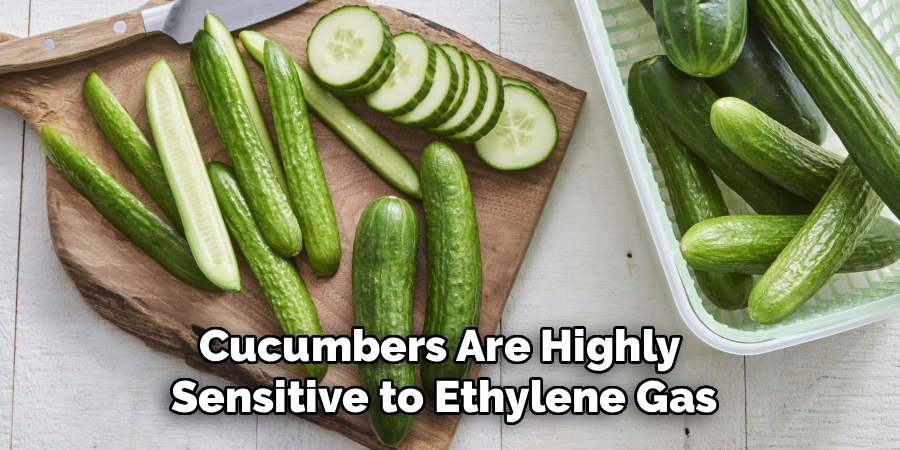
Cucumbers are highly sensitive to ethylene gas, a natural substance emitted by certain fruits like apples, bananas, and tomatoes as they ripen. If cucumbers are stored near these ethylene-producing fruits, they tend to spoil much faster, becoming soft and yellow. To prevent premature spoilage, always store cucumbers separately in a different section of the refrigerator or in a separate storage bin. By keeping them away from ethylene sources, you significantly extend their freshness and preserve their firmness and flavor.
7. Pickle for Long-Term Storage
When you have an excess of cucumbers or want to preserve them beyond their natural shelf life, pickling is a time-tested and delicious method. Slice cucumbers to your preferred thickness, then place them in sterilized jars with a brine solution made of vinegar, water, salt, and your choice of herbs and spices. After sealing the jars, refrigerate them or process them in a water bath for shelf-stable pickles. Properly pickled cucumbers can last for several months and offer a tangy, crunchy alternative that enhances sandwiches, burgers, and salads.
8. Freeze as Cucumber Slices for Smoothies or Cold Soups
Although freezing cucumbers changes their texture, it is still a viable option for those who plan to use them in blended recipes. Wash, peel, and slice the cucumbers before spreading them in a single layer on a baking sheet to freeze individually. Once frozen, transfer the slices into a freezer-safe zip-top bag and label it with the date. Frozen cucumbers work well in cold soups like gazpacho or as hydrating additions to smoothies. While they won’t be suitable for fresh salads, freezing is a practical way to reduce waste and preserve nutrients.
9. Store Sliced Cucumbers in Water for Short-Term Use
For sliced cucumbers that you plan to use within 1–2 days, storing them in water can help maintain their crispness. Place the slices in a glass or plastic container and fill it with cold water until the cucumbers are fully submerged. Cover the container and place it in the refrigerator. This method works well for pre-prepping cucumbers for quick snacks or for adding to water as a refreshing beverage. Be sure to change the water daily to maintain freshness and prevent off-odors or sliminess from developing.
10. Use a Cloth Produce Bag for Breathability
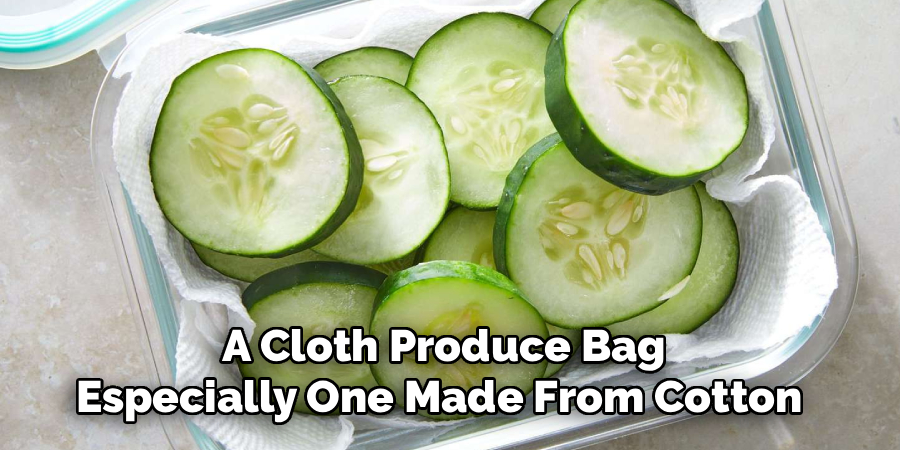
A cloth produce bag, especially one made from cottonA cloth produce bag, especially one made from cotton or mesh, allows for better airflow and reduces excess moisture compared to plastic bags. Place dry, unwashed cucumbers into the bag and store it in the refrigerator’s vegetable drawer. The breathable nature of the cloth helps cucumbers maintain their texture while slowing down spoilage. Just be sure to check the cucumbers every couple of days to remove any that may be turning soft. This method is particularly effective for those who purchase cucumbers in small quantities and want to preserve them naturally without relying on plastic.
Maintenance and Upkeep
To ensure your cloth storage bag remains effective for preserving cucumbers, regular maintenance is key. Wash the cloth bag periodically using mild detergent and warm water to remove any accumulated dirt or bacteria. Allow it to air dry completely before reuse, as a damp bag can promote mold or unwanted odors. Inspect the bag for wear and tear over time, replacing it if it becomes too thin or damaged. Proper upkeep not only extends the life of your storage bag but also ensures cucumbers stay fresh and safe for consumption.
Conclusion
Proper storage of cucumbers can significantly influence their taste, texture, and shelf life. Whether you’re preparing to enjoy them fresh or planning long-term preservation, the choice of storage method matters. From traditional techniques like pickling and refrigeration to modern, sustainable solutions like beeswax wraps and silicone containers, each method offers unique advantages tailored to your needs. By understanding the delicate nature of cucumbers and applying these ten thoughtful methods, you can maximize freshness, reduce food waste, and enjoy crisp, flavorful cucumbers throughout the week or even longer. Thanks for reading our blog post on how to store cucumbers! We hope you found it helpful and informative.

About
Diane Lo is a distinguished figure in the world of kitchen innovation and culinary design, with over a decade of expertise creating functional and sustainable kitchen environments. Her professional focus lies in merging ergonomic spatial planning with modern culinary technology, fostering kitchen layouts that are both highly practical and aesthetically refined. As the lead expert at Kitchenub, Diane Lo delves into the art and science of kitchen organization, appliance selection, and workflow efficiency, inspiring home cooks and professional designers alike.
Education
Royal Melbourne Institute of Technology (RMIT University) (Melbourne, Australia) Associate Degree in Interior Design and Spatial Planning Focus on sustainable kitchen layouts, user-centric design, and ergonomic efficiency. Gained hands-on experience in high-traffic commercial kitchen modeling and advanced space-saving architecture.
Nottingham Trent University (United Kingdom) Bachelor’s in Product Design and Culinary Architecture (Honors) Specialized in the intersection of kitchen technology and lifestyle design. Participated in major industry collaborations, working with premium appliance manufacturers and cabinetry firms to gain real-world insights into modern kitchen workflows.
Publications and Impact
At Kitchenub, Diane Lo shares her expert insights on kitchen renovation processes, material durability, and strategies for achieving peak culinary productivity. Her writing effectively bridges the gap between professional culinary needs and home design, making it an essential resource for those looking to transform their kitchen into a highly efficient and welcoming heart of the home.