

Using a baking sheet in the oven is an essential skill for anyone who loves cooking or baking. Whether you’re roasting vegetables, baking cookies, or preparing a savory dish, a baking sheet is a versatile tool that ensures even cooking and prevents food from sticking. In this guide, we will cover the basics of how to use baking sheet in oven and offer tips for achieving the best results in your culinary creations.
What Is a Baking Sheet?
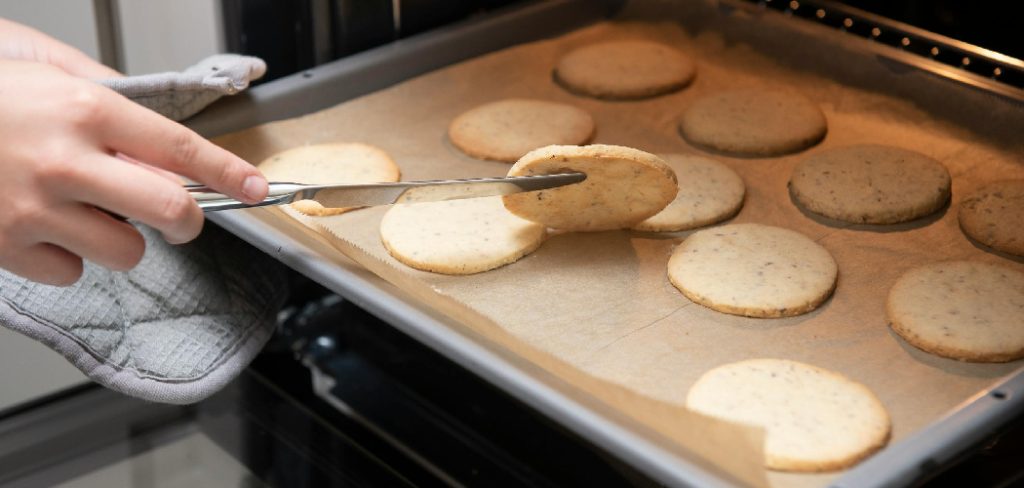
A baking sheet, also known as a sheet pan, is a flat, rectangular metal tray typically made from aluminum or stainless steel. It is designed for use in the oven and provides a sturdy surface for cooking or baking a variety of foods. Baking sheets often feature a raised edge, which helps contain liquids and prevents items from sliding off while being handled. They come in different sizes, with the most common being the half-sheet pan, which fits perfectly in standard ovens. Non-stick coatings or the use of parchment paper are often employed with baking sheets to prevent food from sticking and to make cleanup easier.
Types of Baking Sheets and Their Uses
Baking sheets come in a variety of materials and finishes, each suited to specific cooking or baking needs. Below are the most common types of baking sheets and their uses:
- Aluminum Baking Sheets
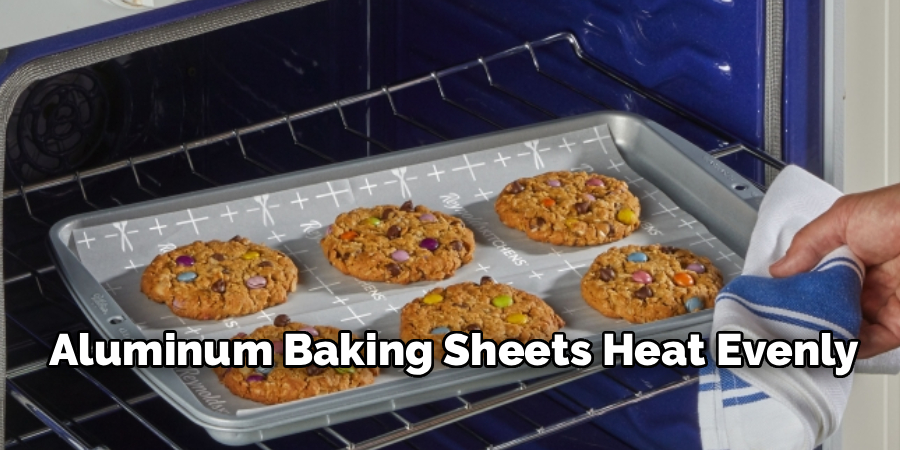
Known for their excellent heat conductivity, aluminum baking sheets heat evenly and are great for baking cookies, pastries, and other delicate baked goods. They are lightweight and durable, though they may not be suitable for acidic foods as they can react with the metal. - Non-Stick Baking Sheets
These sheets feature a non-stick coating that makes it easy to release baked goods without the need for additional grease or parchment paper. They are ideal for sticky foods, like roasted vegetables or sugary treats, but require careful handling to avoid scratching the coating. - Stainless Steel Baking Sheets
Stainless steel baking sheets are durable and resistant to rust and warping. They are well-suited for everyday roasting or baking, though they often require pre-greasing or the use of parchment paper to prevent sticking. - Insulated Baking Sheets
Insulated baking sheets are designed with a layer of air between two metal surfaces to promote even baking. These are perfect for items like cookies, as they help prevent over-browning and promote consistent results. - Silicone Baking Mats
Although technically not a baking sheet, silicone mats are often used with sheets to create a reusable, non-stick surface. They are great for a variety of items, from cookies to roasted vegetables, and eliminate the need for parchment paper.
Each type of baking sheet offers unique advantages, and choosing the right one depends on the recipe and the desired outcome. Investing in high-quality baking sheets can make a noticeable difference in the results and enjoyment of your culinary adventures.
10 Methods How to Use Baking Sheet in Oven
1. Preheating the Baking Sheet for Better Results
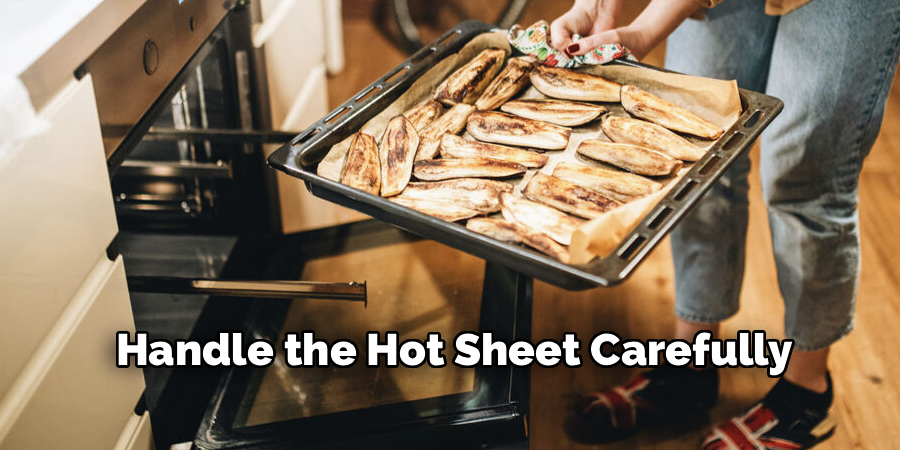
One of the most effective ways to improve oven cooking is to preheat your baking sheet before use. Placing a cold baking sheet into a hot oven can sometimes cause uneven cooking, as the food may begin to cook at different rates depending on the surface temperature. By preheating the sheet inside the oven for several minutes, you ensure that the entire surface is hot and ready to begin cooking immediately when food is placed on it. This method is particularly beneficial when baking pizzas, bread, or roasted vegetables, as it helps achieve a crisp bottom and evenly cooked results. Just remember to handle the hot sheet carefully with oven mitts when adding food to avoid burns.
2. Lining with Parchment Paper for Easy Cleanup
Using parchment paper on a baking sheet is one of the simplest yet most effective practices. Parchment creates a non-stick surface that prevents food from sticking, burning, or tearing during removal. It also makes cleanup much faster, as the baking sheet itself remains relatively clean. Whether you are baking cookies, roasting vegetables, or preparing delicate pastries, parchment ensures even cooking and prevents the frustration of food sticking to metal surfaces. Additionally, parchment can withstand most oven temperatures and can be cut to perfectly fit your baking sheet, making it an indispensable tool for everyday use.
3. Using Aluminum Foil for Versatility
Another practical method is to line your baking sheet with aluminum foil. Foil is especially useful when cooking foods that release grease, such as meats or fish, because it catches drippings and prevents them from sticking to the pan. It can also be molded to create sections on the baking sheet for cooking different foods simultaneously without mixing flavors. When roasting vegetables, lightly coating the foil with oil prevents sticking and ensures crisp edges. This method makes cleaning easier while also giving you flexibility in meal preparation.
4. Applying Oil or Non-Stick Spray
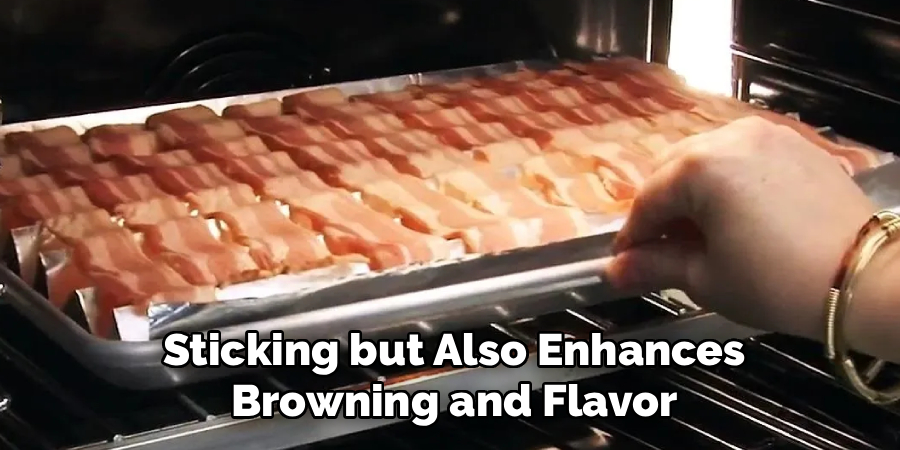
Even without parchment or foil, you can prepare your baking sheet by applying oil, butter, or non-stick spray. A light coating of oil not only prevents food from sticking but also enhances browning and flavor. This method is particularly effective when roasting potatoes, meats, or vegetables, as it helps achieve crispy, golden results. Using oils such as olive oil or avocado oil also adds flavor while promoting healthier cooking compared to butter. By lightly greasing the baking sheet before placing food, you ensure that baked items release easily while maintaining their shape and texture.
5. Roasting Vegetables Evenly
A baking sheet is ideal for roasting vegetables because it provides a flat, open surface that allows heat to circulate evenly. Spread vegetables in a single layer to ensure that each piece cooks uniformly and develops a caramelized exterior. Overcrowding the sheet traps steam, resulting in soggy vegetables instead of crisp, roasted ones. For best results, toss vegetables in a small amount of oil and seasoning before placing them on the baking sheet. Midway through cooking, stir or flip the vegetables to guarantee even browning on all sides. This method produces flavorful, crispy, and evenly roasted vegetables every time.
6. Baking Cookies with Consistent Results
Cookies are among the most common baked goods prepared on a baking sheet, and using the sheet properly makes a significant difference in the outcome. Always space cookie dough evenly to allow for spreading during baking, and use parchment paper to prevent sticking. For consistent baking, use light-colored aluminum baking sheets, as darker sheets tend to absorb more heat, which can cause the bottoms of cookies to brown too quickly. Rotating the sheet halfway through baking also ensures even cooking, particularly in ovens with uneven heat distribution. With these practices, you can achieve perfectly golden, chewy, or crisp cookies depending on your preference.
7. Using a Wire Rack on a Baking Sheet
Placing a wire rack over a baking sheet creates an elevated surface that allows air to circulate around the food while catching drippings below. This method is particularly effective when baking or roasting meats, such as chicken wings or bacon, because it prevents the food from sitting in grease while promoting even cooking. The drippings collected on the baking sheet can also be used to make flavorful sauces or gravies. By using a rack-and-sheet combination, you achieve crisp textures without sacrificing moisture, making it a healthier and more efficient way to cook meats.
8. Cooking Frozen Foods Properly
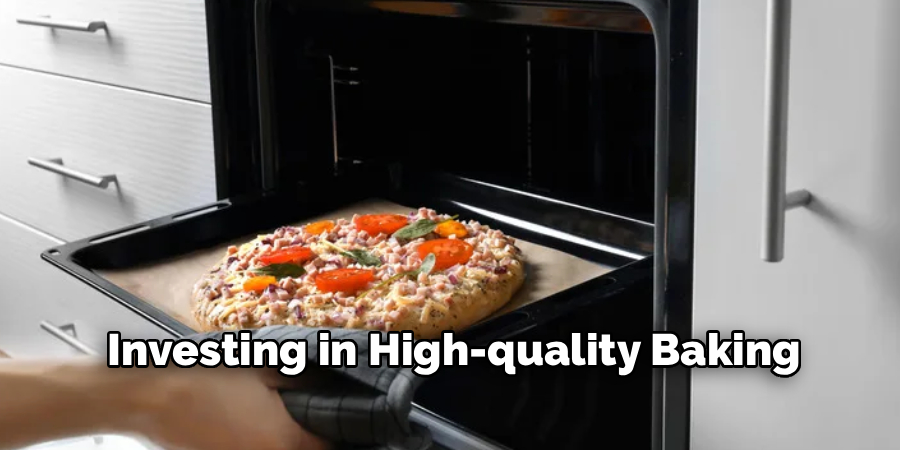
Frozen foods such as french fries, pizza, or chicken tenders often turn out best when cooked directly on a baking sheet. The flat surface allows for proper heat transfer, ensuring even cooking and crispy results. For best outcomes, preheat the sheet before adding frozen items to help avoid sogginess. Lining the sheet with parchment or foil also prevents sticking and makes cleaning up easier. This method allows frozen foods to bake evenly without becoming overly dry or remaining cold in the center, providing a quick and reliable solution for busy weeknight meals.
9. Layering for Sheet Pan Dinners
Baking sheets can also be used to prepare complete meals, commonly known as sheet pan dinners. By layering proteins, vegetables, and seasonings together, you can cook an entire meal on one pan, saving both time and effort. For even cooking, place proteins like chicken or fish in the center of the sheet and surround them with vegetables that cook at a similar rate. Using parchment or foil makes cleanup simple, and rotating or stirring the ingredients during cooking helps achieve uniform results. This method is efficient, healthy, and ideal for family-style meals with minimal cleanup.
10. Cooling and Serving with the Baking Sheet
Beyond cooking, a baking sheet can also be used as a cooling surface once food is removed from the oven. Cookies, pastries, or bread can be transferred onto the sheet to cool evenly before serving or storage. Additionally, baking sheets make excellent serving trays for casual meals or snacks, as they are large, flat, and easy to carry. When used with parchment paper, they can even double as a presentation surface for baked goods at gatherings. This versatility demonstrates that a baking sheet is more than just a cooking tool; it can also be part of the final stage of serving food.
Conclusion
Using a baking sheet in the oven effectively requires more than simply placing food on its surface. From preheating the sheet for better crispiness to lining it with parchment or foil for easy cleanup, each method enhances both cooking results and convenience. Techniques such as roasting vegetables evenly, baking cookies with precision, or preparing complete sheet pan dinners showcase the baking sheet’s versatility. Thanks for reading this blog post on how to use baking sheet in oven! We hope you found it helpful and informative.

About
Diane Lo is a distinguished figure in the world of kitchen innovation and culinary design, with over a decade of expertise creating functional and sustainable kitchen environments. Her professional focus lies in merging ergonomic spatial planning with modern culinary technology, fostering kitchen layouts that are both highly practical and aesthetically refined. As the lead expert at Kitchenub, Diane Lo delves into the art and science of kitchen organization, appliance selection, and workflow efficiency, inspiring home cooks and professional designers alike.
Education
Royal Melbourne Institute of Technology (RMIT University) (Melbourne, Australia) Associate Degree in Interior Design and Spatial Planning Focus on sustainable kitchen layouts, user-centric design, and ergonomic efficiency. Gained hands-on experience in high-traffic commercial kitchen modeling and advanced space-saving architecture.
Nottingham Trent University (United Kingdom) Bachelor’s in Product Design and Culinary Architecture (Honors) Specialized in the intersection of kitchen technology and lifestyle design. Participated in major industry collaborations, working with premium appliance manufacturers and cabinetry firms to gain real-world insights into modern kitchen workflows.
Publications and Impact
At Kitchenub, Diane Lo shares her expert insights on kitchen renovation processes, material durability, and strategies for achieving peak culinary productivity. Her writing effectively bridges the gap between professional culinary needs and home design, making it an essential resource for those looking to transform their kitchen into a highly efficient and welcoming heart of the home.