

Cleaning a microwave doesn’t have to involve harsh chemicals or expensive cleaning products. Using natural methods, you can effectively remove stains, odors, and buildup while keeping your kitchen environment safe and eco-friendly. In this blog post we will show you how to clean a microwave naturally so that it functions properly. Read on to learn more about which components and tools are needed for the job as well as detailed instructions on completing the task!

Why Clean a Microwave Naturally
Cleaning a microwave naturally has numerous benefits, both for your health and the environment. Traditional cleaning products may contain harsh chemicals that leave behind residues, which can mix with food and potentially pose health risks. Natural cleaning methods, on the other hand, utilize safe and non-toxic ingredients like vinegar, lemon, or baking soda to achieve the same results. Additionally, using natural ingredients is more eco-friendly, reducing chemical waste and minimizing environmental impact. These methods are also often more cost-effective, as they use common household items that you likely already have on hand. By choosing natural cleaning, you create a safer kitchen space for you and your family while contributing to a cleaner planet.
Supplies You’ll Need
To get started with natural cleaning in your kitchen, you’ll need a few simple and easily accessible supplies. Here’s a list to help you prepare:
- White Vinegar: A natural disinfectant and deodorizer.
- Baking Soda: Perfect for scrubbing and odor absorption.
- Lemon: Works as a natural stain remover and leaves a fresh scent.
- Castile Soap: A plant-based soap for general cleaning needs.
- Essential Oils (optional): Add a pleasant aroma to your cleaning solutions.
- Spray Bottles: For mixing and storing homemade cleaners.
- Microfiber Cloths or reusable cleaning towels for effective wiping and polishing.
With these supplies, you’ll be equipped to tackle any cleaning task in your kitchen while maintaining an eco-friendly approach.
10 Methods How to Clean a Microwave Naturally
1. Lemon and Water Steam Cleaning
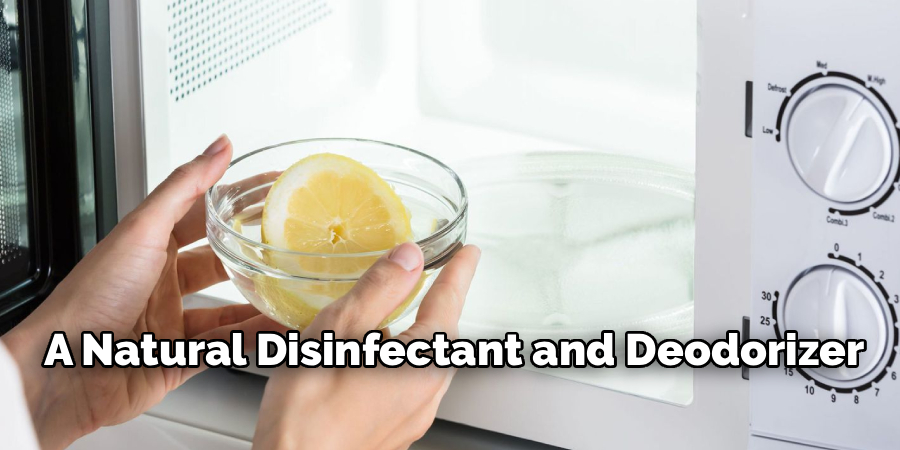
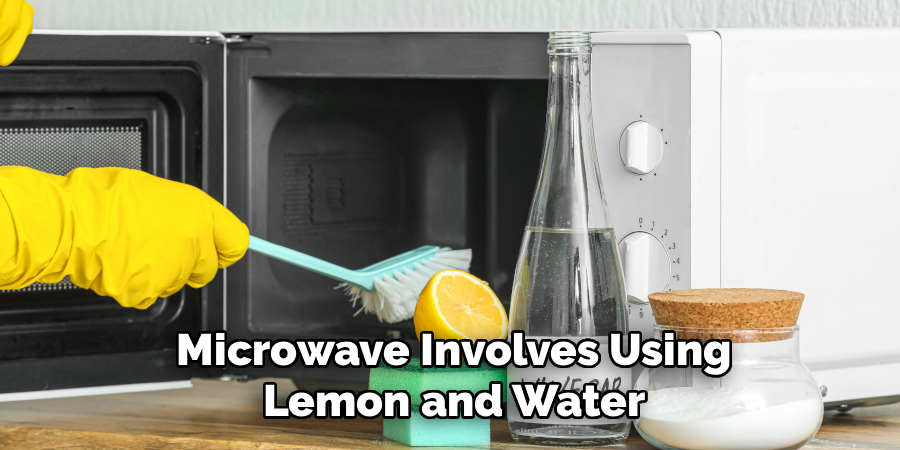
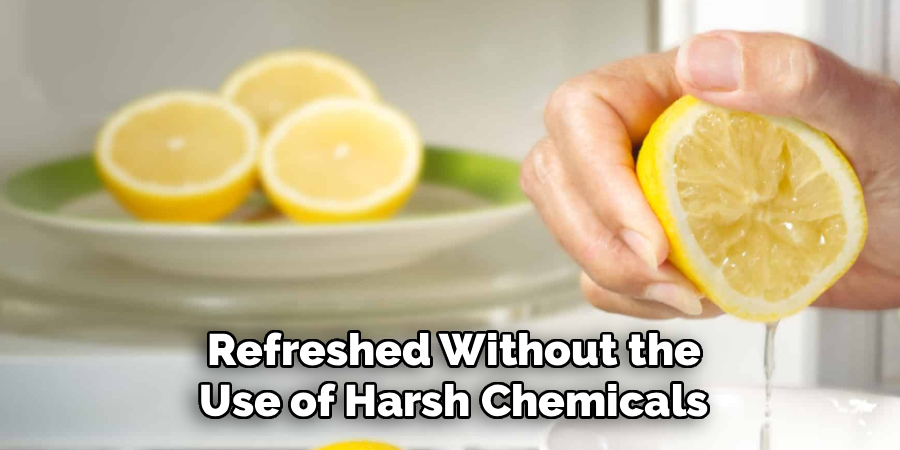
One of the most effective and refreshing natural cleaning methods for a microwave involves using lemon and water. Begin by slicing a fresh lemon in half, squeezing the juice into a microwave-safe bowl, and placing the halves inside as well. Add about one cup of water and set the microwave on high power for three to five minutes. As the water boils, steam will fill the microwave cavity, loosening hardened splatters and grease.
Once the cycle ends, leave the door closed for an additional minute to allow the steam to continue working. Carefully remove the hot bowl and wipe down the interior with a soft cloth or sponge. This method not only lifts stubborn stains but also leaves behind a fresh citrus scent that eliminates lingering food odors.
2. White Vinegar Steam Bath
White vinegar is another excellent natural cleaning agent due to its acidic nature, which helps cut through grease and sanitize surfaces. To clean your microwave with vinegar, pour equal parts water and white vinegar into a microwave-safe bowl. Heat the solution on high for three to five minutes until it boils and produces steam. The vapor penetrates dried food residue, loosens stubborn stains, and neutralizes unpleasant smells. Once the steam has worked its magic, use a clean cloth to wipe the surfaces thoroughly. The microwave will not only appear spotless but also feel deodorized and refreshed without the use of harsh chemicals.
3. Baking Soda Paste for Stains
Some stains inside a microwave may not loosen with steam alone. For these more stubborn spots, baking soda serves as a natural yet gentle abrasive. Mix a few tablespoons of baking soda with a small amount of water to create a thick paste. Apply this mixture directly onto the stained areas and allow it to sit for ten to fifteen minutes. The baking soda will help break down the residue without scratching the microwave’s surface. After the waiting period, scrub gently with a sponge or cloth, then wipe clean with warm water. This method is particularly effective for dried sauces, soup spills, or greasy spots.
4. Citrus Peel Freshener
If you do not have fresh lemons, you can still use citrus peels from oranges, limes, or grapefruits to clean your microwave naturally. Place a handful of peels in a microwave-safe bowl with a cup of water and heat for three to five minutes. The essential oils in the peels are released during steaming, helping to dissolve grease while leaving a pleasant fragrance. Once the cycle ends, carefully remove the bowl and wipe the interior with a clean, damp cloth. This method is especially useful after cooking strong-smelling foods, as it replaces odors with a light, citrus aroma.
5. Hydrogen Peroxide Spray
Hydrogen peroxide is a safe, natural disinfectant that can be used to sanitize your microwave effectively. Mix equal parts water and 3% hydrogen peroxide in a spray bottle, then lightly spritz the inside surfaces of the microwave. Allow the solution to sit for a few minutes before wiping it away with a cloth or sponge. Hydrogen peroxide helps eliminate bacteria and food stains while breaking down into harmless water and oxygen, leaving no residue behind. This method is especially beneficial for those who prefer a deeper clean without resorting to commercial chemical cleaners.
6. Plain Water Steam Cleaning
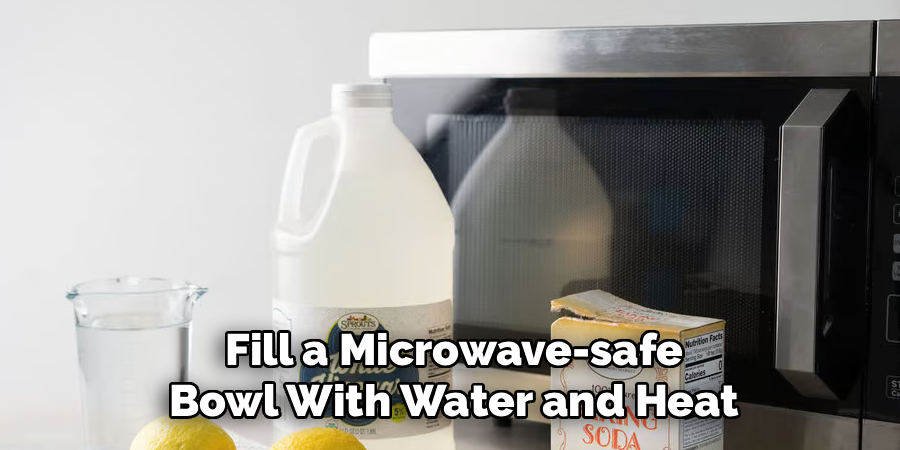
If you want the simplest natural method, plain water alone can work wonders in maintaining a clean microwave. Fill a microwave-safe bowl with water and heat it for four to five minutes until it boils vigorously, producing steam. The steam loosens food debris, grease, and stains, making them easy to wipe away afterward. For even more effectiveness, let the steam sit inside the closed microwave for a minute before opening the door. Use a damp cloth or sponge to clean the surfaces, and you will find that much of the grime comes off effortlessly.
7. Essential Oil Freshening Method
Essential oils such as tea tree, lavender, or eucalyptus provide both cleaning and deodorizing benefits. To use them, fill a microwave-safe bowl with one cup of water and add three to five drops of your preferred essential oil. Heat the bowl for three minutes, allowing the steam to circulate and freshen the interior. Once finished, wipe down the microwave with a cloth. Essential oils not only help cut through light grease but also leave a soothing fragrance that masks lingering food odors. This method works well as part of a regular maintenance routine.
8. Salt Scrub for Small Spots
For small, stubborn spots or hardened splatters, salt can act as a natural scrub without causing scratches. Dampen a soft cloth or sponge, sprinkle a small amount of table salt onto it, and gently rub the stained areas in circular motions. The salt helps break down tough residue while absorbing grease. Once the stains are removed, wipe down the microwave with a damp cloth to eliminate any leftover salt particles. This method is especially useful for isolated spots rather than cleaning the entire microwave interior.
9. Cloth and Toothbrush Detailing
Even after steam cleaning, crumbs and grease may remain stuck in corners or around the microwave door. To tackle these hard-to-reach areas naturally, use a microfiber cloth paired with an old toothbrush. Dip the toothbrush in warm water or a mild baking soda solution and scrub gently along the edges, corners, and crevices. Follow up with a damp cloth to remove loosened debris. This detailed cleaning method ensures no residue is left behind, making the microwave look and feel truly spotless.
10. Routine Natural Maintenance
The best way to keep your microwave naturally clean is through regular maintenance. Immediately after using the appliance, wipe down any spills or splatters with a damp cloth before they have a chance to harden. Place a microwave-safe cover or lid over food to reduce messes during cooking or reheating. Once a week, perform a quick steam cleaning with lemon, vinegar, or plain water to keep the microwave fresh and odor-free. Consistency in these small habits prevents heavy buildup, making future cleanings easier and less time-consuming.
Maintenance and Upkeep
To ensure your microwave continues to operate efficiently and lasts for years to come, regular maintenance is key. Begin by periodically inspecting the microwave’s door seal and hinges to ensure they remain intact and free of debris. A faulty seal can lead to energy inefficiency or potential safety concerns. Additionally, avoid slamming the microwave door, as repeated force can damage its components.
For the turntable, ensure it is seated properly and rotates smoothly, and clean it frequently to prevent food debris from obstructing its movement. If you notice any unusual noises, sparks, or inconsistent heating, discontinue use immediately and consult a professional for repair. By addressing small issues promptly and treating the appliance with care, you can preserve its performance and reliability over time.
Conclusion
Cleaning a microwave naturally is not only healthier for you and your family but also better for the environment. By using ingredients such as lemon, vinegar, baking soda, citrus peels, and even plain water, you can achieve a spotless and odor-free appliance without relying on chemical cleaners. Thanks for reading this blog post on how to clean a microwave naturally! We hope you found it helpful and informative.

About
Diane Lo is a distinguished figure in the world of kitchen innovation and culinary design, with over a decade of expertise creating functional and sustainable kitchen environments. Her professional focus lies in merging ergonomic spatial planning with modern culinary technology, fostering kitchen layouts that are both highly practical and aesthetically refined. As the lead expert at Kitchenub, Diane Lo delves into the art and science of kitchen organization, appliance selection, and workflow efficiency, inspiring home cooks and professional designers alike.
Education
Royal Melbourne Institute of Technology (RMIT University) (Melbourne, Australia) Associate Degree in Interior Design and Spatial Planning Focus on sustainable kitchen layouts, user-centric design, and ergonomic efficiency. Gained hands-on experience in high-traffic commercial kitchen modeling and advanced space-saving architecture.
Nottingham Trent University (United Kingdom) Bachelor’s in Product Design and Culinary Architecture (Honors) Specialized in the intersection of kitchen technology and lifestyle design. Participated in major industry collaborations, working with premium appliance manufacturers and cabinetry firms to gain real-world insights into modern kitchen workflows.
Publications and Impact
At Kitchenub, Diane Lo shares her expert insights on kitchen renovation processes, material durability, and strategies for achieving peak culinary productivity. Her writing effectively bridges the gap between professional culinary needs and home design, making it an essential resource for those looking to transform their kitchen into a highly efficient and welcoming heart of the home.