

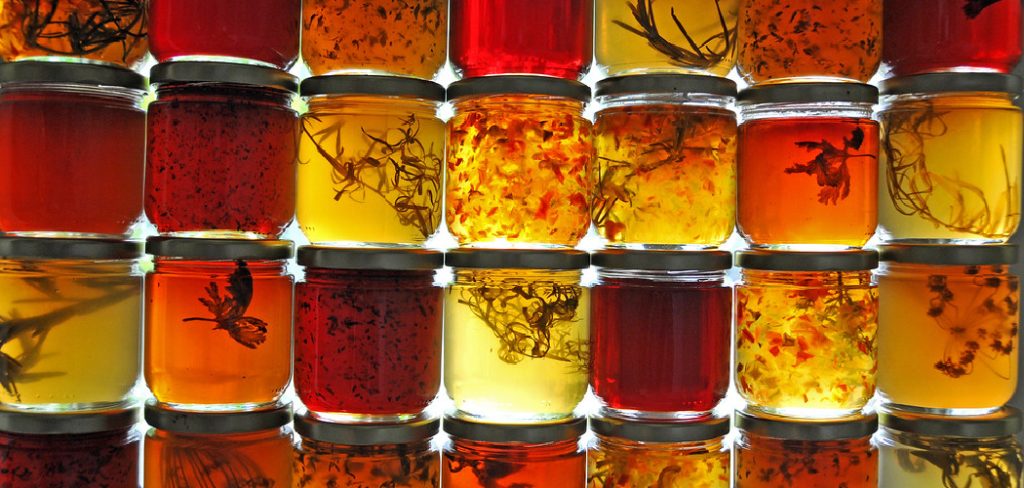
Proper storage of jelly is essential to maintain its freshness, flavor, and consistency for as long as possible. Storing jelly correctly not only ensures food safety but also preserves its quality, allowing you to enjoy it over time without worrying about spoilage. This guide will walk you through the best practices for how to store jelly.
Why Proper Storage Matters
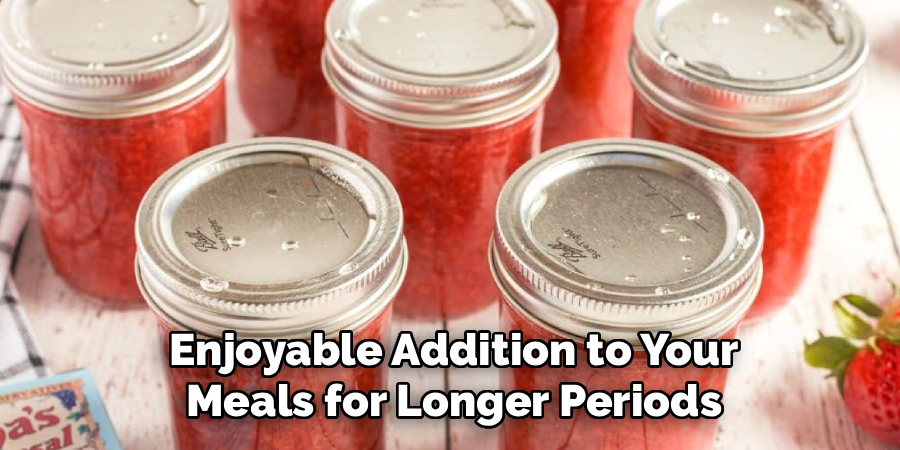
Proper storage of jelly is crucial to prevent spoilage and maintain its texture and taste. Jelly is made with sugar, fruit, and pectin, which can be sensitive to temperature, moisture, and air exposure. Incorrect storage can lead to mold growth, crystallization, or changes in flavor, rendering the jelly unsafe to eat or unappealing. Storing jelly properly also helps to retain its nutritional value and extend its shelf life, ensuring that it remains a reliable and enjoyable addition to your meals for longer periods.
Factors That Affect Jelly Storage
There are several factors that can influence how well jelly is preserved over time. Temperature is a critical aspect; jelly should ideally be stored in a cool, dry place to prevent spoilage. Excess heat can cause the jelly to lose its texture, while cold temperatures, such as those in a freezer, may cause the pectin structure to break down.
Humidity is another key factor, as exposure to moisture can encourage the growth of mold or bacteria. Additionally, air exposure plays a significant role—if jelly is not sealed properly, it can oxidize, leading to changes in both flavor and color. Lastly, the quality of the container used matters; airtight, non-reactive containers help to maintain freshness and prevent contamination. Understanding these factors is essential for keeping jelly safe and delicious for extended periods.
10 Methods How to Store Jelly
1. Refrigeration for Freshly Made Jelly
One of the most common and effective methods of storing jelly is refrigeration. After preparing jelly, it should be allowed to cool at room temperature before being transferred into airtight containers or jars. The refrigerator maintains a consistent low temperature, which helps preserve the flavor, texture, and color of the jelly. This environment also inhibits bacterial growth, making it safe for consumption over several weeks. When stored properly in the refrigerator, homemade jelly typically stays fresh for three to four weeks. Always make sure the container is sealed tightly to prevent the jelly from absorbing odors from other foods.
2. Freezing for Long-Term Preservation
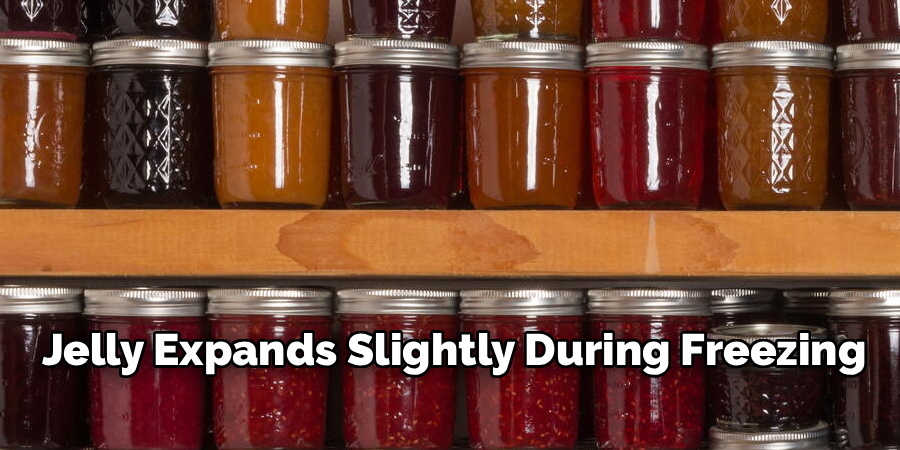
If you want to store jelly for several months without compromising its quality, freezing is an excellent solution. To freeze jelly, spoon it into freezer-safe containers or use specialized freezer-safe jars designed to withstand expansion. It is essential to leave at least half an inch of headspace at the top of each container, as jelly expands slightly during freezing. Frozen jelly can last up to a year without losing its flavor or texture. When ready to use, simply thaw the jelly in the refrigerator overnight. This method is especially useful for bulk batches or when seasonal fruits are turned into jelly for long-term enjoyment.
3. Canning for Shelf-Stable Storage
Canning is a traditional method of storing jelly that allows it to remain shelf-stable for up to a year or more. This process involves sterilizing jars, filling them with hot jelly, and then sealing them using a water bath canner. The heat eliminates bacteria, yeasts, and molds while creating a vacuum seal that prevents spoilage. Properly canned jelly does not require refrigeration until the jar is opened. This makes it an ideal option for those who want to preserve large batches and keep them in a pantry. Always label jars with the date of preparation, and check seals before consumption to ensure safety.
4. Using Airtight Glass Jars
Glass jars with airtight lids are one of the best options for storing jelly, regardless of whether it is refrigerated, frozen, or canned. Glass does not react with the acidity of the jelly, ensuring that the flavor remains pure and unaltered. Mason jars are especially popular due to their durability and sealing properties. When using jars, it is important to sterilize them beforehand to eliminate bacteria or contaminants that could cause spoilage. Airtight sealing prevents exposure to air, moisture, and pests, which are the main culprits of food deterioration.
5. Vacuum Sealing for Extended Freshness
For those who want to maximize the shelf life of jelly, vacuum sealing is an advanced method that works exceptionally well. This technique removes air from the storage container or bag before sealing it, significantly slowing down oxidation and the growth of microorganisms. Vacuum-sealed jelly can be stored in the freezer for over a year without any major changes in flavor or texture. This method is particularly suitable for people who make jelly in bulk or want to portion it out into smaller servings for convenience. While vacuum sealers require an initial investment, they are worthwhile for long-term storage.
6. Storing in Cool, Dark Pantries
For jelly that has been properly canned or sealed, a cool, dark pantry provides a stable storage environment. Light and heat can degrade the color, taste, and nutritional value of jelly over time, which is why it is crucial to store jars in a place away from direct sunlight or fluctuating temperatures. A pantry, cellar, or cupboard works perfectly for this purpose. Shelf-stable jelly stored in such conditions can last for twelve to eighteen months. Always rotate stock by consuming older jars first, ensuring that nothing is forgotten or left to spoil.
7. Portioning into Small Containers
Another smart method of storing jelly, especially for families or individuals who use it sparingly, is portioning it into small containers. Instead of opening a large jar and exposing the entire batch to air and contaminants each time, dividing jelly into multiple smaller jars reduces waste and preserves freshness. This method also makes freezing and thawing more convenient, as you only need to defrost the amount required for immediate use. Portioning is ideal for children’s lunches, quick snacks, or for gifting homemade jelly in manageable sizes.
8. Using Plastic Containers for Convenience
While glass jars are often preferred, food-grade plastic containers can also be used to store jelly effectively. Plastic containers are lightweight, shatterproof, and easy to stack in the refrigerator or freezer. To avoid flavor alteration, always choose BPA-free containers designed for food storage. Plastic containers are particularly useful for short-term storage, such as keeping jelly in the refrigerator for a few weeks. However, for long-term freezing, they must be freezer-safe to prevent cracking or freezer burn. Though not as elegant as glass jars, they offer practicality and convenience for everyday use.
9. Avoiding Contamination During Storage
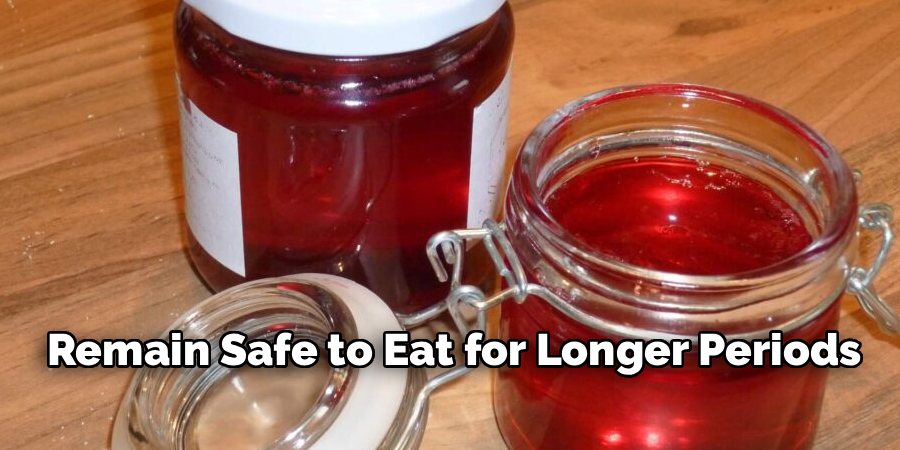
Regardless of the storage method you choose, preventing contamination is essential for keeping jelly fresh and safe. Always use clean, dry utensils when scooping jelly from a jar to prevent introducing moisture or bacteria. Avoid double-dipping, as saliva contains enzymes that can break down the jelly and cause spoilage. Additionally, wiping the rims of jars clean before sealing them helps ensure a proper closure and minimizes the risk of mold growth. By following these hygiene practices, your stored jelly will maintain its quality and remain safe to eat for longer periods.
10. Labeling and Dating Jars for Organization
Proper labeling is a simple but often overlooked method that plays a crucial role in jelly storage. Every jar or container should be labeled with the type of jelly and the date it was prepared. This helps track freshness and ensures that older batches are consumed first. Labeling is especially important when storing multiple flavors or varieties, as it avoids confusion and allows for easier organization in your pantry, refrigerator, or freezer. Waterproof labels or permanent markers work best for this task, as they resist smudging and remain legible over time. Organized labeling not only promotes food safety but also makes your kitchen more efficient.
Maintenance and Upkeep
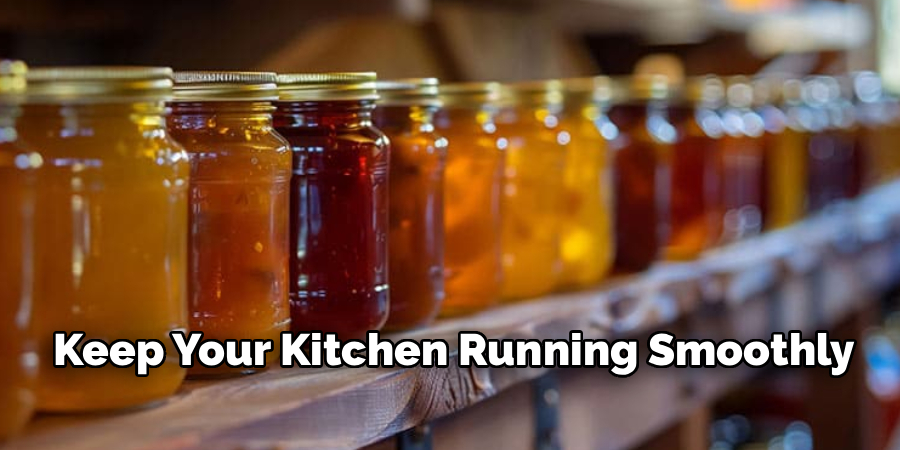
Proper maintenance and upkeep of your storage system are essential to ensure its long-term effectiveness and functionality. Regularly inspect containers for any signs of damage, such as cracks, warping, or worn seals, as compromised containers can lead to spoilage or contamination. Clean storage containers thoroughly between uses with warm, soapy water to remove any residual odors, stains, or bacteria. If you use reusable labels, ensure they are updated and replaced as needed to accurately reflect the contents and expiration dates. Additionally, periodically review your stored items to discard any expired or unused products, making room for fresher supplies. By maintaining a clean, organized system, you can extend the life of your food and keep your kitchen running smoothly.
Conclusion
Storing jelly correctly is essential to maintaining its flavor, texture, and safety. From refrigeration and freezing to canning and vacuum sealing, each method provides unique benefits suited to different storage needs. Glass jars, airtight containers, and portioning techniques help ensure freshness, while proper hygiene, labeling, and pantry placement extend shelf life and improve organization. By understanding these ten methods and applying them according to your household needs, you can enjoy homemade or store-bought jelly for weeks or even months without sacrificing quality. Thanks for reading this blog post on how to store jelly! We hope you found it helpful and informative.

About
Diane Lo is a distinguished figure in the world of kitchen innovation and culinary design, with over a decade of expertise creating functional and sustainable kitchen environments. Her professional focus lies in merging ergonomic spatial planning with modern culinary technology, fostering kitchen layouts that are both highly practical and aesthetically refined. As the lead expert at Kitchenub, Diane Lo delves into the art and science of kitchen organization, appliance selection, and workflow efficiency, inspiring home cooks and professional designers alike.
Education
Royal Melbourne Institute of Technology (RMIT University) (Melbourne, Australia) Associate Degree in Interior Design and Spatial Planning Focus on sustainable kitchen layouts, user-centric design, and ergonomic efficiency. Gained hands-on experience in high-traffic commercial kitchen modeling and advanced space-saving architecture.
Nottingham Trent University (United Kingdom) Bachelor’s in Product Design and Culinary Architecture (Honors) Specialized in the intersection of kitchen technology and lifestyle design. Participated in major industry collaborations, working with premium appliance manufacturers and cabinetry firms to gain real-world insights into modern kitchen workflows.
Publications and Impact
At Kitchenub, Diane Lo shares her expert insights on kitchen renovation processes, material durability, and strategies for achieving peak culinary productivity. Her writing effectively bridges the gap between professional culinary needs and home design, making it an essential resource for those looking to transform their kitchen into a highly efficient and welcoming heart of the home.