

Cooking with cast iron has been a favored choice for generations due to its durability and exceptional heat retention. However, achieving and maintaining a nonstick surface on cast iron can be a challenge without proper care. By understanding the seasoning process and following some simple steps, you can transform your cast iron cookware into a dependable, nonstick kitchen essential that lasts a lifetime. This guide explores the key aspects of how to make cast iron nonstick.
Understand Why Cast Iron Sticks
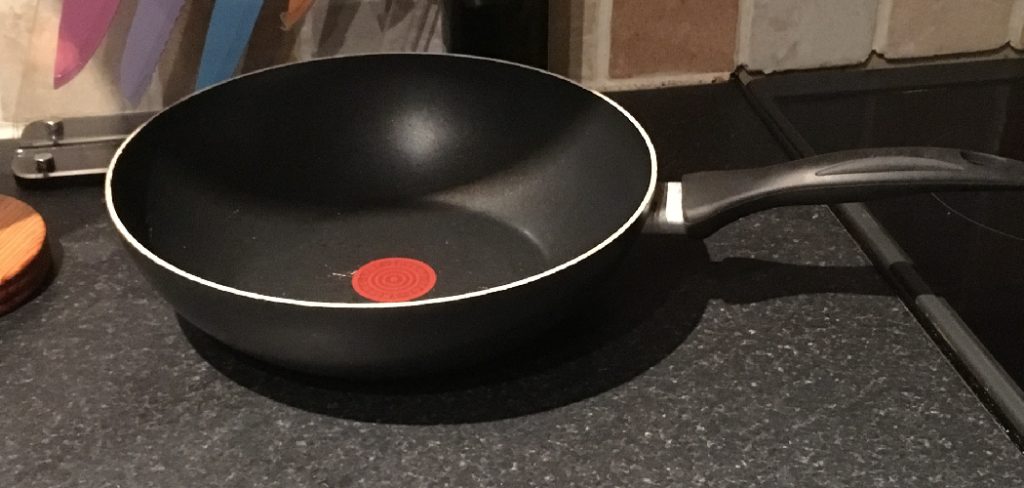
Cast iron tends to stick when the surface is not properly seasoned or if it is used incorrectly. The sticking often occurs due to food particles bonding to unseasoned areas of the pan, where a protective layer of polymerized oil is absent.
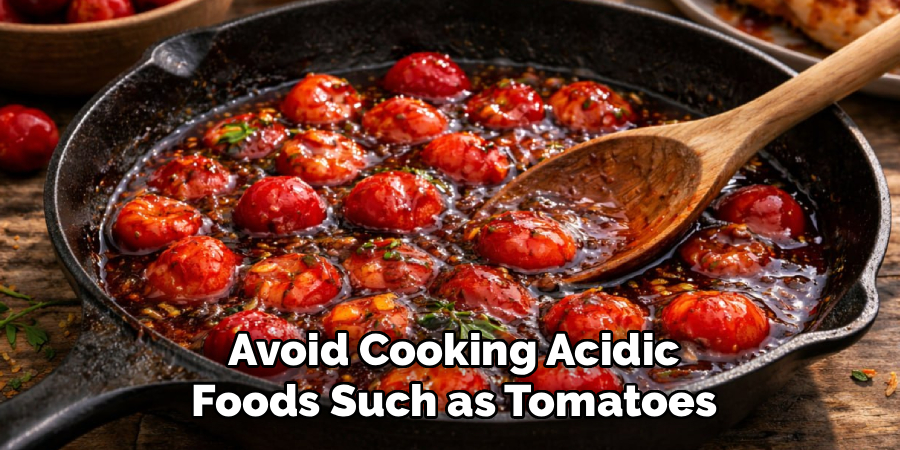
Additionally, cooking acidic foods, using soap excessively, or failing to dry the pan thoroughly after washing can strip away seasoning, leading to sticking. Understanding these causes is essential, as it allows you to take proactive measures to maintain your cast iron’s nonstick properties, ensuring smooth and enjoyable cooking experiences.
Gather Materials for Seasoning
Before seasoning your cast-iron pan, gather all the necessary materials to ensure the process goes smoothly. You will need a clean, dry cast-iron pan, a bottle of high-smoke-point oil such as flaxseed oil, vegetable oil, or grapeseed oil, and a soft, lint-free cloth or paper towels. Additionally, prepare access to an oven and an oven mitt for handling the pan safely during the process. Having these materials on hand will make it easier to create a durable, nonstick seasoning layer on your pan.
10 Methods How to Make Cast Iron Nonstick
1. Start with a Thorough Cleaning
The foundation of making cast iron nonstick begins with a properly cleaned surface. Any buildup of old seasoning, food residue, or rust can interfere with achieving a slick, nonstick finish. Begin by washing the pan with warm water and a small amount of mild dish soap. While soap is usually avoided with cast iron, it’s acceptable when deep cleaning before re-seasoning.
Use a stiff brush or steel wool to scrub the entire surface, especially the cooking area. If your pan has stubborn rust or gunk, consider using a vinegar soak diluted with water for a few hours, followed by a baking soda rinse. Dry the pan thoroughly with a towel and place it on low heat for a few minutes to evaporate remaining moisture before seasoning.
2. Apply a Thin Layer of Oil
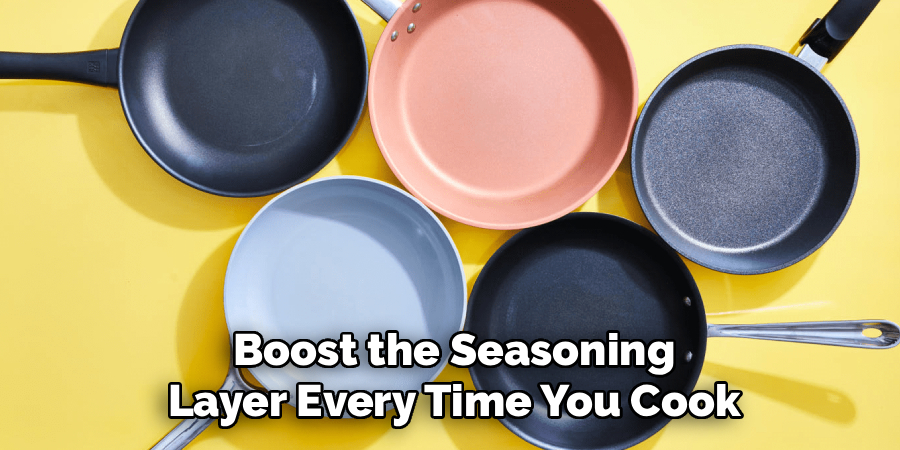
Seasoning is the process that turns raw cast iron into a nonstick cooking surface. The most critical step is applying a very thin, even layer of oil to the pan’s surface. Use a neutral oil with a high smoke point, such as flaxseed oil, grapeseed oil, or canola oil.
Apply the oil using a paper towel or lint-free cloth, making sure to rub it into every crevice of the pan, including the handle and underside. Then, using a clean paper towel, buff away excess oil until the pan looks dry and not greasy. Too much oil can cause sticky residue or uneven seasoning. A thin coat ensures a smooth, hard finish that builds nonstick properties over time.
3. Bake the Pan at High Heat
After applying a thin coat of oil, place the pan upside down in a preheated oven at around 450°F to 500°F (230°C to 260°C). Line the lower rack with foil to catch any drips. Bake the pan for at least one hour. This high heat causes the oil to polymerize—a chemical reaction that bonds the oil to the cast iron surface, creating a slick, hardened layer.
Once the hour is complete, turn off the oven and allow the pan to cool inside it. This slow cooling process strengthens the bond and prevents thermal shock. Repeat this process three to four times for a strong base layer of seasoning.
4. Repeat Seasoning Several Times
Making cast iron truly nonstick is not an instant process; it requires repeated applications of seasoning. One round of seasoning is a good start, but building multiple layers creates a durable, glassy surface that releases food effortlessly. After each seasoning bake, allow the pan to cool, then repeat the process—reapplying oil, buffing it, and baking again.
Doing this several times over a few days will give your cast iron a deeper black sheen and noticeably improved nonstick quality. Think of it as building up armor: the more coats, the more resilient the finish.
5. Cook Fatty Foods Early On
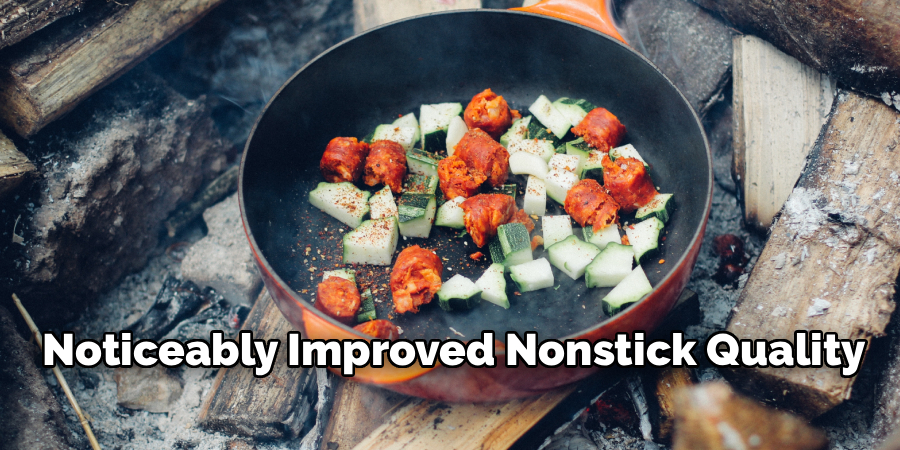
After your pan has been seasoned a few times, it’s essential to “train” it by cooking foods that reinforce the nonstick coating. Frying bacon, rendering pork fat, or searing steaks are great first uses. These foods help release natural oils and boost the seasoning layer every time you cook. Avoid cooking acidic foods such as tomatoes or vinegar-based sauces early on, as they can strip away the delicate seasoning. Gradually, as the layers build, you’ll be able to cook even stick-prone foods like eggs or pancakes with ease.
6. Avoid Using Soap During Regular Cleaning
Once seasoned, cast iron should be cleaned carefully to preserve its nonstick surface. Avoid using soap or soaking the pan in water, as these can degrade the seasoning. Instead, wipe out the pan with a paper towel after cooking, or rinse it with hot water and scrub gently with a brush or scraper.
For stuck-on food, boil a small amount of water in the pan to loosen debris, then wipe clean. After cleaning, dry the pan immediately and apply a thin coat of oil to prevent rust and maintain the seasoning.
7. Re-season After Each Use
A little maintenance goes a long way in making cast iron nonstick. After each use and cleaning, apply a light layer of oil to the warm pan and heat it on the stove or in the oven until it smokes slightly. This practice adds a micro-layer of seasoning after every cooking session, helping to fortify the nonstick surface. Over time, this consistent routine will create a glossy black finish that rivals any commercial nonstick pan—without synthetic coatings.
8. Use Proper Heat Control
Nonstick performance can be greatly affected by heat management. Cast iron retains heat extremely well, so preheating on low to medium heat is usually sufficient. Overheating can burn off your seasoning or cause uneven cooking. Always allow the pan to warm gradually, then add oil and ingredients once it reaches the right temperature. Too much heat can also cause food to stick, especially if the oil begins to smoke prematurely. By cooking at moderate temperatures, you protect the seasoning and enhance its nonstick behavior over time.
9. Avoid Harsh Utensils and Abrasives
Maintaining a nonstick surface on cast iron also requires the right tools. Use wooden, silicone, or plastic utensils when cooking to avoid gouging or scratching the seasoning layer. Metal spatulas can be used with care, especially once the seasoning is mature and hardened, but rough handling can strip the finish. When cleaning, avoid steel wool or harsh abrasives unless you’re planning to strip and re-season the pan. Gentle treatment preserves the surface integrity and keeps your cast iron functioning like a nonstick skillet.
10. Store the Pan Correctly
Proper storage helps preserve the nonstick coating you’ve worked hard to build. Always make sure the pan is completely dry before storing it to avoid rust. If stacking with other cookware, place a paper towel or pan protector between items to prevent scratching. It’s also a good idea to rub a very light coat of oil over the surface before storing, especially in humid environments. Keeping your cast iron seasoned and dry ensures that the pan stays nonstick, rust-free, and ready for use at any time.
Alternative Methods and Tips
If you don’t have enough storage space to avoid stacking, consider using felt pan dividers or silicone mats to protect the surface of your cast iron. For those who prefer not to use oil before storing, another option is to lightly dust the surface with baking soda, which can help absorb moisture and reduce the risk of rust.
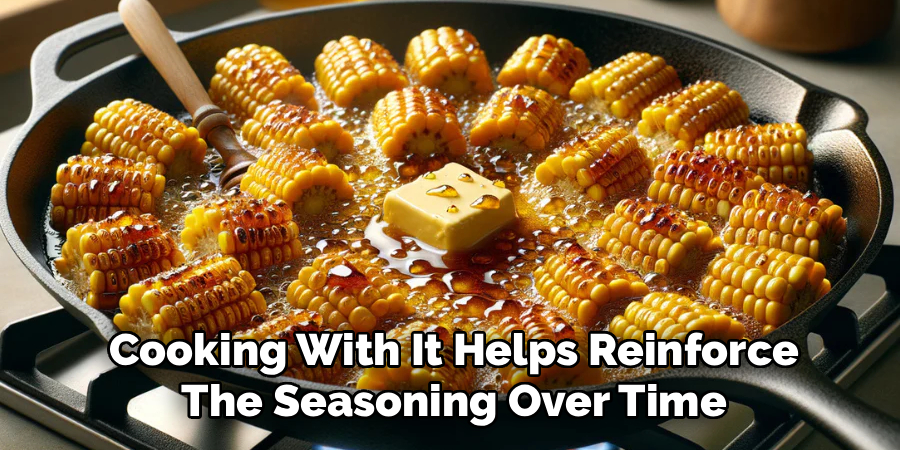
When cleaning stubborn residue, avoid harsh chemicals or steel wool; instead, try a paste made of coarse salt and a small amount of water to scrub gently. Always make sure to reapply seasoning afterward to maintain the pan’s nonstick surface. Lastly, regular use of your cast iron is one of the best ways to keep it in excellent condition, as cooking with it helps reinforce the seasoning over time.
Conclusion
Making a cast-iron pan nonstick is a methodical process rooted in tradition, care, and consistency. Through thorough cleaning, precise seasoning, appropriate cooking techniques, and careful maintenance, your cast iron can become a treasured tool in the kitchen with a finish that rivals modern nonstick pans.
These ten methods provide the essential steps to develop and preserve that naturally slick surface, ensuring that each meal is cooked to perfection and released with ease—proving once again that cast iron is as timeless as it is practical. Thanks for reading our blog post on how to make cast iron nonstick! We hope you found it helpful and informative.

About
Diane Lo is a distinguished figure in the world of kitchen innovation and culinary design, with over a decade of expertise creating functional and sustainable kitchen environments. Her professional focus lies in merging ergonomic spatial planning with modern culinary technology, fostering kitchen layouts that are both highly practical and aesthetically refined. As the lead expert at Kitchenub, Diane Lo delves into the art and science of kitchen organization, appliance selection, and workflow efficiency, inspiring home cooks and professional designers alike.
Education
Royal Melbourne Institute of Technology (RMIT University) (Melbourne, Australia) Associate Degree in Interior Design and Spatial Planning Focus on sustainable kitchen layouts, user-centric design, and ergonomic efficiency. Gained hands-on experience in high-traffic commercial kitchen modeling and advanced space-saving architecture.
Nottingham Trent University (United Kingdom) Bachelor’s in Product Design and Culinary Architecture (Honors) Specialized in the intersection of kitchen technology and lifestyle design. Participated in major industry collaborations, working with premium appliance manufacturers and cabinetry firms to gain real-world insights into modern kitchen workflows.
Publications and Impact
At Kitchenub, Diane Lo shares her expert insights on kitchen renovation processes, material durability, and strategies for achieving peak culinary productivity. Her writing effectively bridges the gap between professional culinary needs and home design, making it an essential resource for those looking to transform their kitchen into a highly efficient and welcoming heart of the home.