

Cooking with ceramic pans has become increasingly popular due to their non-stick properties, even heat distribution, and eco-friendly design. These pans are not only versatile but also provide a safer, chemical-free alternative to traditional non-stick cookware. Whether you’re a seasoned chef or a home cook, understanding how to properly use and care for ceramic pans can enhance your cooking experience and extend the life of your cookware. In this guide, we’ll explore essential tips and techniques for how to cook with ceramic pans effectively.
What Makes Ceramic Pans Different from Traditional Cookware?
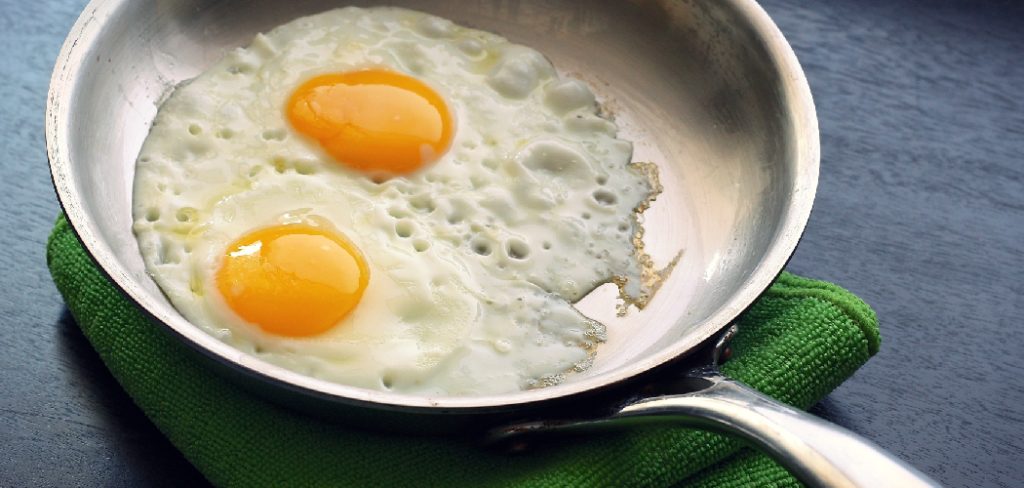
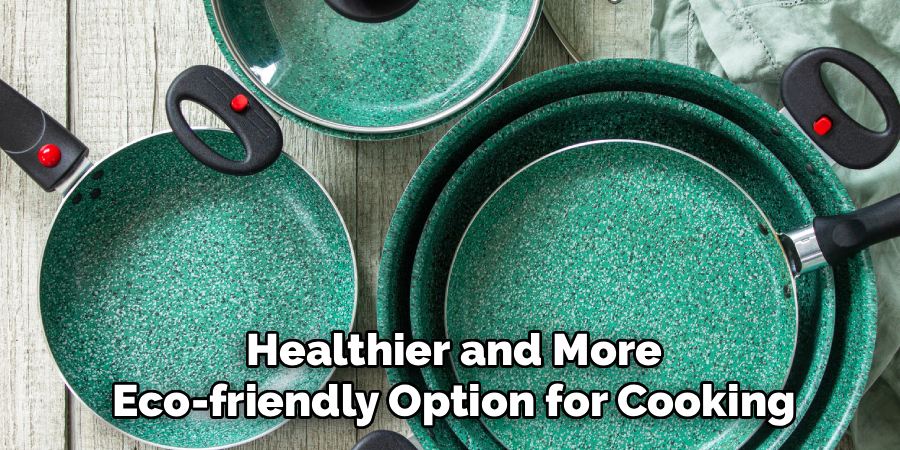
Ceramic pans stand out from traditional cookware for several reasons. Unlike conventional non-stick pans that rely on synthetic coatings like Teflon, ceramic pans are coated with a natural, sand-derived material that is free from harmful chemicals such as PFOA and PFAS. This makes them a healthier and more eco-friendly option for cooking. Additionally, ceramic pans excel at even heat distribution, which reduces the risk of hot spots and ensures consistently cooked food. Their smooth, non-stick surface allows for easy cooking and cleanup without the need for excessive oil or butter. Furthermore, ceramic pans are often praised for their modern and stylish designs, making them a functional yet attractive addition to any kitchen.
Preparing Ceramic Pans for First Use
Properly preparing your ceramic pan before its first use can help ensure optimal performance and longevity. Start by washing the pan with warm, soapy water to remove any manufacturing residues. Rinse thoroughly and dry with a clean, soft towel. Next, lightly coat the cooking surface with a small amount of oil, such as vegetable or olive oil, to enhance the non-stick properties. Use a paper towel or cloth to evenly spread the oil across the surface. After this, your pan is ready for use. Remember to avoid using high heat initially, as ceramic pans perform best at low to medium temperatures. These steps will help condition your pan, making it a valuable tool in your kitchen for years to come.
10 Methods How to Cook with Ceramic Pans
1. Preheat Your Ceramic Pan Gently to Avoid Cracking
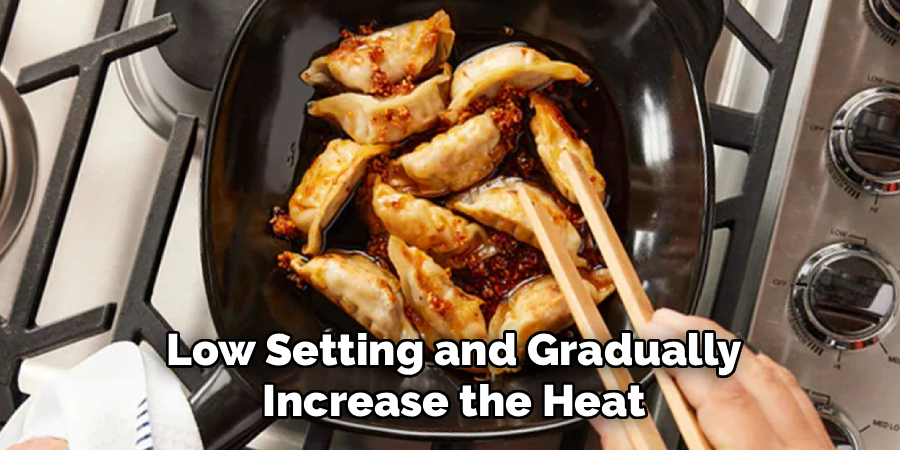
When using ceramic pans, it’s essential to preheat them gradually over medium heat. Unlike traditional metal pans, ceramic cookware can be sensitive to rapid temperature changes. Applying high heat too quickly may cause thermal shock, especially if the pan has a ceramic coating over a metal base. To preserve the integrity of your ceramic pan, allow it to warm up slowly. Start with a low setting and gradually increase the heat. This method not only protects the ceramic surface but also ensures even cooking throughout your ingredients, minimizing the risk of hot spots and burning.
2. Use the Right Cooking Oils for Better Performance
While ceramic pans are naturally non-stick, a small amount of oil can enhance their cooking performance, especially when preparing foods like eggs, pancakes, or delicate fish. Light oils with high smoke points, such as avocado, grapeseed, or sunflower oil, are ideal. Avoid using cooking sprays, as the propellants and additives can leave a residue that builds up over time and may compromise the non-stick surface. Instead, use a brush or paper towel to apply a thin, even layer of oil to the preheated surface. This helps reduce sticking and preserves the coating for long-term use.
3. Avoid Metal Utensils to Prevent Surface Damage
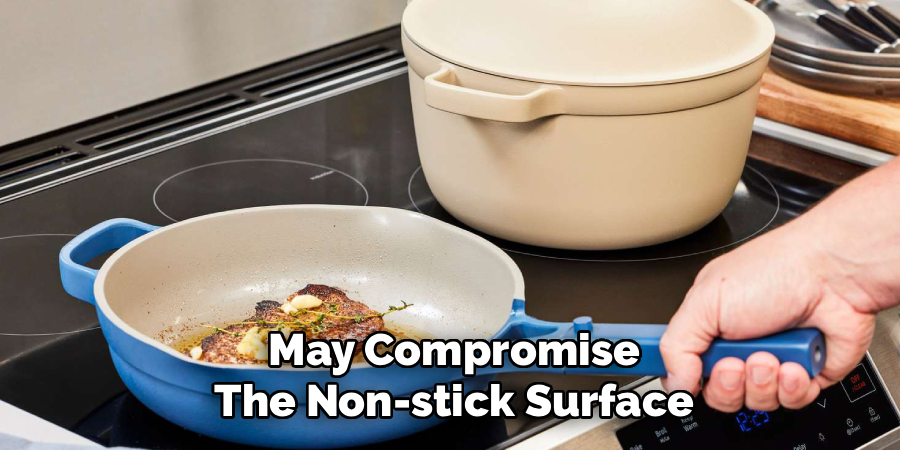
Ceramic pans, although durable, have a non-stick coating that can be scratched or damaged by sharp or abrasive utensils. It’s crucial to use silicone, wooden, or plastic utensils to stir, flip, or serve food from your ceramic cookware. Metal spatulas, forks, or knives can leave permanent marks, chip the coating, or reduce the pan’s effectiveness. By opting for soft utensils, you maintain the smooth surface, which is necessary for the even distribution of heat and the pan’s non-stick capability. This precaution also contributes significantly to extending the life span of the ceramic finish.
4. Cook Over Medium or Low Heat to Maintain Quality
One of the key principles when cooking with ceramic pans is to avoid excessive heat. These pans retain and distribute heat efficiently, so high temperatures are often unnecessary. Cooking over medium or low heat not only prevents the ceramic coating from wearing down prematurely but also ensures your food doesn’t burn or cook unevenly. For tasks like searing or browning, a slightly higher heat can be used, but it should be applied cautiously and only for short periods. This method promotes consistent results and enhances the longevity of your ceramic cookware.
5. Prepare Ingredients Before Heating the Pan
To make the best use of a ceramic pan’s non-stick feature, it’s wise to have all your ingredients prepped and ready before placing the pan on the heat. Chopping vegetables, seasoning proteins, or mixing sauces in advance minimizes the need to let the pan sit empty on the burner. This reduces the risk of overheating and helps maintain the quality of the non-stick surface. Additionally, adding cold food to a properly preheated pan aids in efficient cooking, as the ingredients begin to cook immediately without sticking or releasing excess moisture.
6. Use Ceramic Pans for Moisture-Rich Cooking
Ceramic pans are especially effective for cooking dishes that retain moisture, such as stir-fries, sautéed vegetables, and saucy entrees. Their non-stick surface allows ingredients to slide around easily without requiring much oil, which is advantageous when cooking with sauces or liquids. Moisture in the food also helps to preserve the integrity of the ceramic coating, preventing it from becoming overly dry or brittle. When cooking with liquids, the ceramic surface helps maintain a steady simmer and ensures even flavor absorption throughout the dish.
7. Avoid Sudden Temperature Changes
One of the most common mistakes with ceramic cookware is exposing it to sudden temperature shifts. For instance, pouring cold water into a hot ceramic pan can lead to cracking or warping. To prevent this, always allow the pan to cool down naturally after use before cleaning it. If you need to add liquid during cooking, make sure it is warm or at room temperature. This method helps preserve the structural integrity of the ceramic material and prevents damage that could render the pan unusable or unsafe for cooking.
8. Take Advantage of Non-Stick for Low-Fat Cooking
Ceramic pans provide a naturally non-stick surface, making them perfect for health-conscious cooking. This allows you to prepare meals with minimal or no added fats. You can fry eggs, cook pancakes, or sear fish without using butter or oil, which significantly reduces calorie intake while still delivering flavorful results. This method is particularly useful for people on low-fat or heart-healthy diets. With the correct temperature management, food slides off the pan effortlessly, simplifying the cooking process and making cleanup much easier.
9. Clean the Pan Carefully After Each Use
Proper cleaning is essential to preserve the performance of a ceramic pan. After the pan has cooled down, wash it using warm water, mild dish soap, and a soft sponge. Avoid steel wool or scouring pads, which can scratch and degrade the ceramic surface. If stubborn residues remain, soaking the pan for a few minutes usually softens the food enough to remove it gently. Avoid putting ceramic pans in the dishwasher unless the manufacturer explicitly states that it’s dishwasher safe. Hand washing is always preferred to maintain the non-stick qualities and visual appeal of the ceramic finish.
10. Store the Pan Properly to Prevent Scratching
When storing ceramic pans, it’s important to prevent the coating from getting scratched or chipped. If stacking multiple pans or storing them with other cookware, place a soft cloth, paper towel, or silicone protector between them. This creates a buffer that prevents friction and impact damage. Hanging ceramic pans is another effective storage method that keeps them safe and accessible. Proper storage ensures that the non-stick surface remains smooth and usable for years, making your investment in ceramic cookware worthwhile.
Troubleshooting Common Issues
Even with proper care, you may encounter issues with your ceramic cookware over time. Here are some common problems and solutions:
- Food Sticking to the Surface: If food begins to stick despite the non-stick coating, it could be due to excessive heat damaging the surface or a buildup of grease. Avoid using high heat and clean the pan thoroughly with warm, soapy water. For stubborn residue, try a paste of baking soda and water to gently scrub the surface.
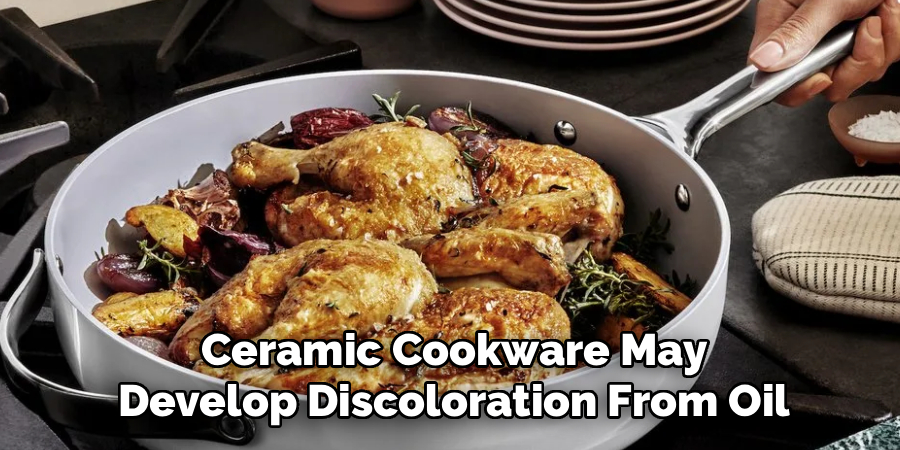
- Discoloration or Stains: Over time, ceramic cookware may develop discoloration from oil or food residue. To address this, use a mixture of vinegar and water. Simmer the solution in the pan for a few minutes, then rinse and dry.
- Scratches on the Coating: Minor scratches may occur if metal utensils or abrasive cleaning tools are used. While scratches can’t be removed, switching to wooden or silicone utensils and soft cleaning sponges can prevent further damage.
- Warped Pans: Warping can happen if a hot pan is exposed to cold water, causing uneven heat distribution. Always allow ceramic cookware to cool before rinsing. To prevent warping, avoid extreme changes in temperature.
By addressing these common issues promptly, you can extend the life of your ceramic cookware and maintain its performance.
Conclusion
Cooking with ceramic pans offers numerous benefits, from healthy low-oil cooking to easy cleanup, but it also requires mindful practices to preserve their delicate coating and performance. By gradually preheating, using the right utensils, cooking over moderate heat, and avoiding sudden temperature changes, you can maintain the non-stick surface and ensure long-term durability. Thanks for reading our blog post on how to cook with ceramic pans! We hope you found it helpful and informative.

About
Diane Lo is a distinguished figure in the world of kitchen innovation and culinary design, with over a decade of expertise creating functional and sustainable kitchen environments. Her professional focus lies in merging ergonomic spatial planning with modern culinary technology, fostering kitchen layouts that are both highly practical and aesthetically refined. As the lead expert at Kitchenub, Diane Lo delves into the art and science of kitchen organization, appliance selection, and workflow efficiency, inspiring home cooks and professional designers alike.
Education
Royal Melbourne Institute of Technology (RMIT University) (Melbourne, Australia) Associate Degree in Interior Design and Spatial Planning Focus on sustainable kitchen layouts, user-centric design, and ergonomic efficiency. Gained hands-on experience in high-traffic commercial kitchen modeling and advanced space-saving architecture.
Nottingham Trent University (United Kingdom) Bachelor’s in Product Design and Culinary Architecture (Honors) Specialized in the intersection of kitchen technology and lifestyle design. Participated in major industry collaborations, working with premium appliance manufacturers and cabinetry firms to gain real-world insights into modern kitchen workflows.
Publications and Impact
At Kitchenub, Diane Lo shares her expert insights on kitchen renovation processes, material durability, and strategies for achieving peak culinary productivity. Her writing effectively bridges the gap between professional culinary needs and home design, making it an essential resource for those looking to transform their kitchen into a highly efficient and welcoming heart of the home.