

Keeping your stove top pans clean is essential for maintaining a hygienic and efficient cooking environment. Over time, grease, food residues, and burnt stains can accumulate on pans, making them harder to clean and reducing their lifespan. With the right techniques and cleaning materials, you can restore your pans to their original condition and ensure they stay in great shape for everyday use. This guide will walk you through simple and effective steps of how to clean stove top pans.
Why Stove Top Pans Accumulate Stains and Grease
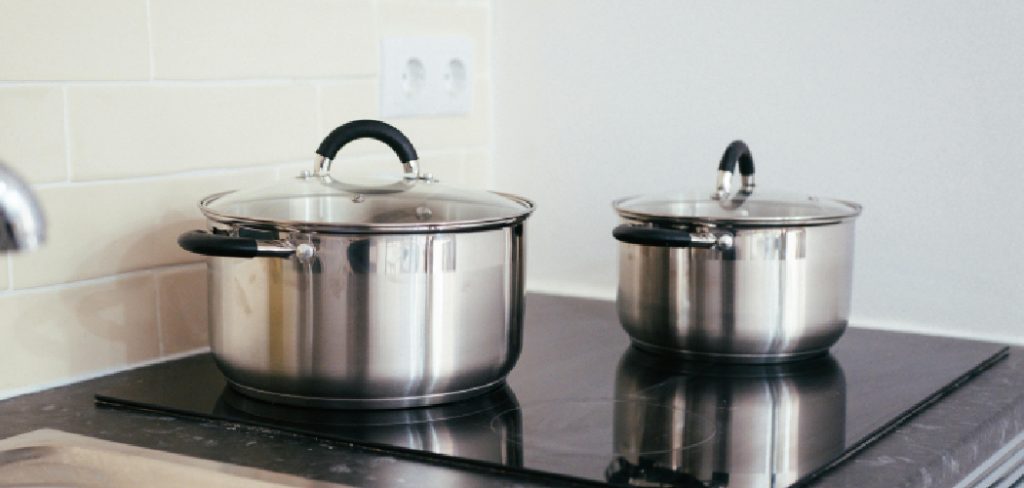
Stove top pans are exposed to high heat, oils, and food particles during cooking, which makes them prone to accumulating stains and grease. When oils splatter or spill, they can settle on the surface of the pan and, over time, form a greasy layer that becomes harder to remove. Additionally, food residues can burn onto the pan’s surface if not cleaned promptly, leaving behind stubborn stains.
The high temperatures used in cooking often cause these residues to harden, further embedding them into the pan. Regular use without proper cleaning after each session can lead to a buildup of these elements, diminishing the pan’s performance and appearance over time.
10 Methods How to Clean Stove Top Pans
1. Allow the Pan to Cool Before Cleaning
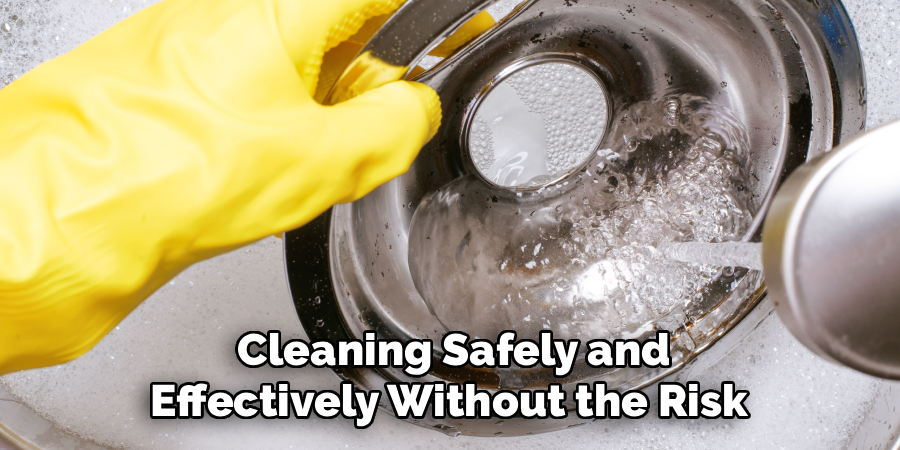
The first and foremost step in cleaning stove top pans is to allow them to cool completely before any cleaning is attempted. Washing a hot pan under cold water can cause warping, especially in pans made of materials like cast iron or aluminum. The sudden shift in temperature may also damage non-stick coatings or cause ceramic layers to crack. Once the pan is cool to the touch, you can proceed with cleaning safely and effectively without the risk of compromising its structural integrity or finish.
2. Use Warm Water and Mild Dish Soap for Daily Cleaning
For routine cleaning after light cooking, warm water and a few drops of mild dish soap are often all you need to keep your stove top pans in excellent condition. Fill the pan with warm water and let it sit for a few minutes to loosen any residue. Use a soft sponge or dishcloth to wipe away food remnants, being careful not to use anything abrasive that could scratch the surface. This method works well for stainless steel, ceramic, or non-stick pans used for basic cooking such as sautéing vegetables or heating sauces.
3. Tackle Burnt-On Food with Baking Soda and Vinegar
For stove top pans that have accumulated stubborn burnt-on food, a mixture of baking soda and vinegar can be an effective natural cleaner. Sprinkle a generous layer of baking soda over the burnt area, then slowly pour vinegar to create a fizzy reaction. Let the mixture sit for 15–20 minutes, allowing the acidity to loosen the burnt particles. Gently scrub with a soft-bristle brush or non-abrasive pad until the residue lifts off. This method works particularly well on stainless steel or enameled pans that can tolerate mild acids.
4. Clean Non-Stick Pans Gently with Soft Sponges
Non-stick pans require special care during cleaning to preserve their delicate coating. Avoid using steel wool, abrasive scouring pads, or harsh cleaners, as these can scratch or strip the surface. Instead, use a soft sponge and warm soapy water. For sticky residue, let the pan soak for 10–15 minutes before gently wiping clean. To extend the life of your non-stick pans, clean them immediately after use and never put them in the dishwasher unless specifically labeled as dishwasher safe by the manufacturer.
5. Use Salt and Oil Paste for Cast Iron Pans
Cleaning cast iron stove top pans requires a method that preserves the seasoning layer. Avoid using soap, as it can strip the pan of its natural non-stick coating. Instead, make a paste using coarse kosher salt and a small amount of oil. Use a clean rag or soft brush to scrub the surface gently with this paste, which acts as a mild abrasive without being damaging. Rinse with warm water, dry immediately, and apply a thin layer of oil to maintain the seasoning and prevent rust.
6. Remove Stains from Stainless Steel Pans with Bar Keepers Friend
For stainless steel pans that have developed discoloration or tough stains, a specialized cleaner like Bar Keepers Friend can work wonders. Wet the pan slightly, sprinkle the powder cleaner over the stained areas, and gently scrub with a soft sponge in circular motions. Rinse thoroughly and dry immediately to reveal a restored shine. This method is ideal for removing heat tints and mineral deposits without scratching or dulling the surface of the stainless steel.
7. Deglaze the Pan After Cooking
Deglazing is a cleaning method that also doubles as a cooking technique. Right after cooking—especially when browning meat or vegetables—pour a small amount of water, broth, or wine into the hot pan. Use a wooden spatula to gently scrape off the browned bits from the surface. This not only cleans the pan effectively but can also be used to create flavorful sauces. This method is suitable for stainless steel or carbon steel pans and helps reduce the effort required during post-meal cleanup.
8. Use a Melamine Sponge for Light Surface Marks
For stove top pans with light marks or scuffs, particularly on ceramic or enameled surfaces, a melamine sponge (often called a “magic eraser”) can help lift the imperfections without damaging the coating. Lightly dampen the sponge and rub over the affected areas using minimal pressure. Be sure to test it on a small, inconspicuous area first to ensure compatibility with the pan’s finish. Rinse and dry the pan immediately after cleaning to avoid leaving any residue behind.
9. Boil Water and Lemon Slices for Odor Removal
If your pan retains lingering food odors—such as garlic, onions, or spices—you can remove them naturally by boiling water with a few slices of lemon. Fill the pan halfway with water, add lemon slices, and let it simmer on the stove for 10–15 minutes. The acidity of the lemon and the steam help neutralize unpleasant smells and loosen any hidden grease. Afterward, wash the pan as usual with warm soapy water and allow it to dry thoroughly.
10. Dry Thoroughly and Store Properly
The final but vital step in cleaning stove top pans is ensuring they are dried completely before storing. Use a soft towel to remove all moisture, paying attention to rivets, edges, and the underside of the pan. Residual moisture can lead to rust, especially in cast iron or carbon steel pans. When storing, consider placing a paper towel or soft cloth between stacked pans to prevent scratches and prolong their life. Proper storage and drying not only prevent damage but also keep your pans ready for use at any time.
Maintenance and Upkeep
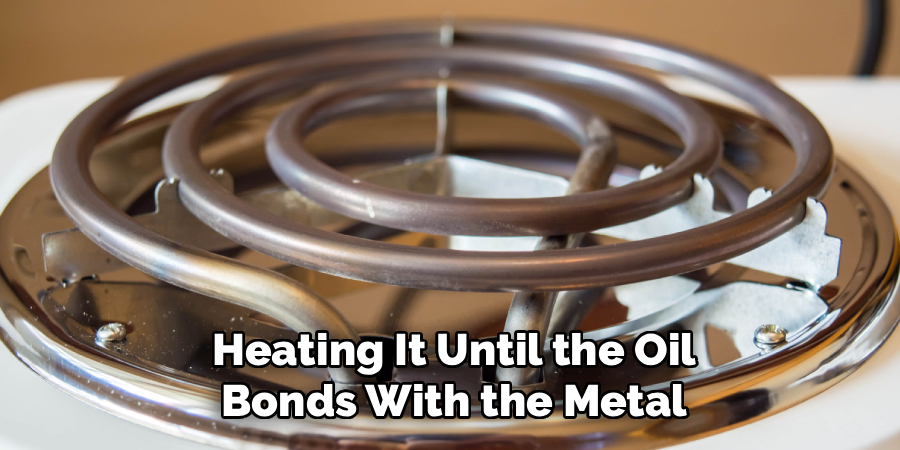
To ensure your stove top pans remain in excellent condition, regular maintenance is essential. For non-stick pans, avoid using metal utensils that can damage the coating, and instead opt for silicone, nylon, or wooden tools. Cast iron pans require periodic seasoning—coating the surface with a thin layer of oil and heating it until the oil bonds with the metal. This process creates a natural, non-stick surface and protects the pan from rust.
For stainless steel pans, polishing occasionally with a specialized cleaner can help maintain their shine and remove any stubborn discoloration. Always inspect your pans for signs of wear, such as loose handles or damaged surfaces, and address these issues promptly. By staying consistent with upkeep, you can extend the life of your pans and maintain their functionality for years to come.
Troubleshooting Common Issues
Even with regular maintenance, cookware can encounter some common issues over time. Here’s how to address them:
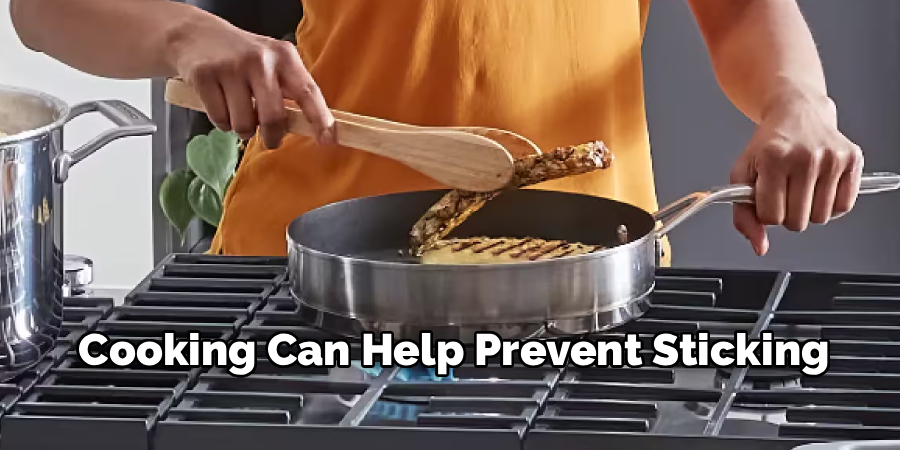
- Food Sticking to the Pan: If food begins to stick to a non-stick pan, it may be a sign that the coating is wearing off. Avoid using metal utensils that can scratch the surface, and consider re-seasoning cast iron or carbon steel pans to restore their non-stick properties. For stainless steel, preheating the pan and adding oil or butter before cooking can help prevent sticking.
- Rust Formation: Rust is a common problem with cast iron cookware, especially if it is not properly dried after washing. To remove rust, scrub the affected area gently with steel wool or a non-abrasive sponge, rinse thoroughly, and re-season the pan.
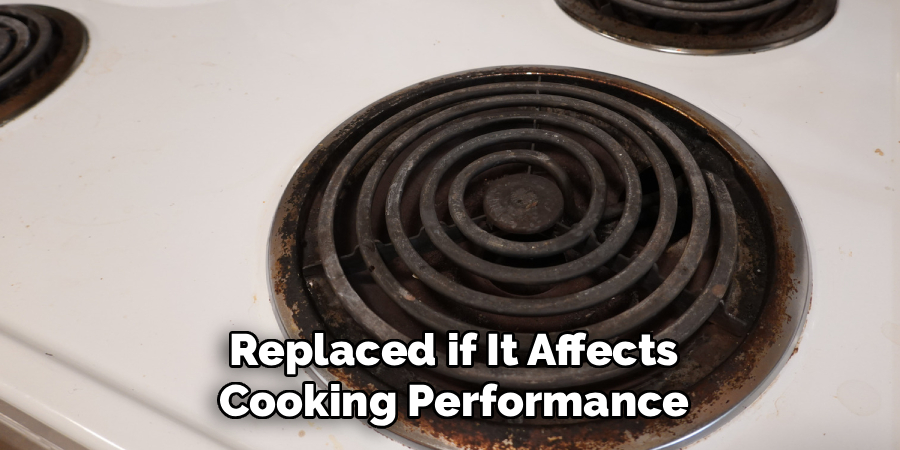
- Warping: Sudden temperature changes, such as placing hot pans under cold water, can cause warping. To avoid this, always allow your cookware to cool gradually before cleaning. If the pan is already warped, it may not sit evenly on the stovetop and should be replaced if it affects cooking performance.
- Discoloration: Over time, stainless steel cookware may develop discoloration or “rainbow” stains from heat or minerals in water. These can often be removed with a bit of vinegar or a specialized stainless steel cleaner.
By addressing these issues promptly and using proper techniques, you can preserve the integrity of your cookware and ensure it remains a reliable part of your kitchen.
Conclusion
Caring for stove top pans through thoughtful cleaning practices is essential for maintaining their performance, longevity, and visual appeal. Whether you’re working with non-stick, cast iron, stainless steel, or ceramic-coated pans, each type requires a specific cleaning approach tailored to its material properties. From using baking soda and vinegar for burnt residues to applying oil and salt scrubs for cast iron, these ten comprehensive methods ensure that your stove top pans remain in pristine condition. Thanks for reading our blog post on how to clean stove top pans! We hope you found it helpful and informative.

About
Diane Lo is a distinguished figure in the world of kitchen innovation and culinary design, with over a decade of expertise creating functional and sustainable kitchen environments. Her professional focus lies in merging ergonomic spatial planning with modern culinary technology, fostering kitchen layouts that are both highly practical and aesthetically refined. As the lead expert at Kitchenub, Diane Lo delves into the art and science of kitchen organization, appliance selection, and workflow efficiency, inspiring home cooks and professional designers alike.
Education
Royal Melbourne Institute of Technology (RMIT University) (Melbourne, Australia) Associate Degree in Interior Design and Spatial Planning Focus on sustainable kitchen layouts, user-centric design, and ergonomic efficiency. Gained hands-on experience in high-traffic commercial kitchen modeling and advanced space-saving architecture.
Nottingham Trent University (United Kingdom) Bachelor’s in Product Design and Culinary Architecture (Honors) Specialized in the intersection of kitchen technology and lifestyle design. Participated in major industry collaborations, working with premium appliance manufacturers and cabinetry firms to gain real-world insights into modern kitchen workflows.
Publications and Impact
At Kitchenub, Diane Lo shares her expert insights on kitchen renovation processes, material durability, and strategies for achieving peak culinary productivity. Her writing effectively bridges the gap between professional culinary needs and home design, making it an essential resource for those looking to transform their kitchen into a highly efficient and welcoming heart of the home.