

Caraway pans are known for their sleek design and non-toxic, non-stick surfaces, making them a popular choice for many kitchens. However, to maintain their quality and longevity, it’s essential to clean them properly. Unlike traditional cookware, Caraway pans require specific care to preserve their ceramic coating and functionality. This guide will provide you with how to clean caraway pans.
Understand the Material of Caraway Pans
Caraway pans are crafted using a non-toxic ceramic coating, which sets them apart from traditional non-stick cookware. This ceramic-coated surface is free from harmful chemicals such as PTFE, PFOA, and heavy metals, ensuring a safer cooking experience. The base of the pans is typically made of durable aluminum, which provides excellent heat conductivity for even cooking. Understanding these materials is crucial for proper care, as harsh cleaning methods or abrasive tools can damage the delicate ceramic layer, reducing its non-stick capabilities. Knowing what your Caraway pans are made of will help preserve their quality for years to come.
10 Methods How to Clean Caraway Pans
1. Understand the Nature of Caraway Pans Before Cleaning
Before initiating any cleaning procedure, it’s essential to understand what makes Caraway pans unique. These pans are crafted with an aluminum core and a ceramic non-stick coating that’s free of PTFE, PFOA, and other harmful substances. This ceramic surface is both delicate and highly efficient at reducing food adhesion, which means that harsh chemicals and abrasive cleaning methods can damage its integrity. By recognizing that Caraway pans require a gentle, non-invasive approach, you can prevent scratching, staining, or prematurely wearing down the non-stick coating.
2. Allow the Pan to Cool Completely Before Washing
One of the most critical yet often overlooked steps in cleaning Caraway pans is allowing them to cool completely after cooking. Sudden temperature changes—such as immersing a hot pan in cold water—can cause thermal shock, which may warp the aluminum body or damage the ceramic surface. Instead, remove the pan from heat and let it return to room temperature naturally. Once it has cooled, you can safely move forward with cleaning without risking structural damage or shortening its lifespan.
3. Use Warm, Soapy Water and a Soft Sponge
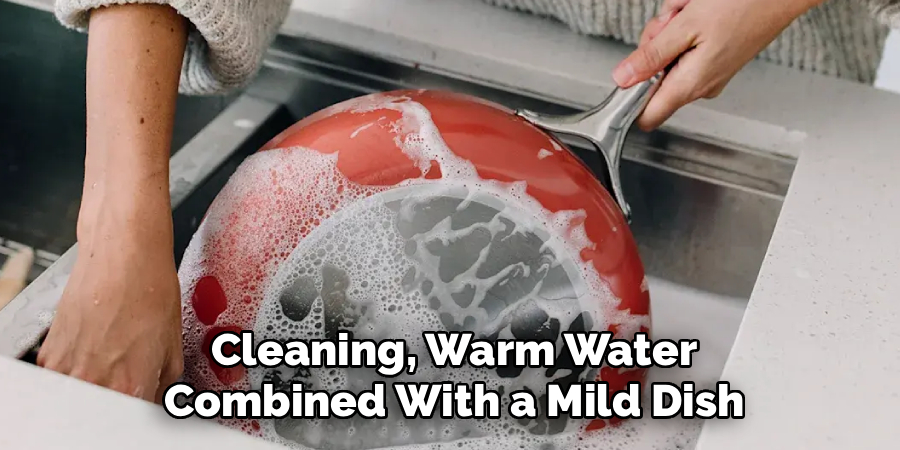
Caraway pans are exceptionally easy to clean when used properly, and for routine cleaning, warm water combined with a mild dish soap is all you need. Use a soft sponge, cloth, or non-abrasive scrub pad to gently wipe away food residue. The non-stick surface allows even stubborn remnants to slide off with minimal effort. Avoid using steel wool, scouring pads, or harsh scrubbers, as these can scratch the ceramic coating and compromise its effectiveness over time.
4. Avoid Soaking the Pan for Extended Periods
While it may be tempting to soak your pan when faced with dried-on food particles, it is not recommended to leave a Caraway pan submerged in water for long periods. Prolonged soaking can degrade the exterior paint, discolor the finish, or weaken the adhesive used in the handle over time. Instead, fill the pan with warm, soapy water and let it sit for 10–15 minutes—just long enough to loosen stubborn food—then proceed with a gentle scrub to finish the job.
5. Tackle Stubborn Residue with a Baking Soda Paste
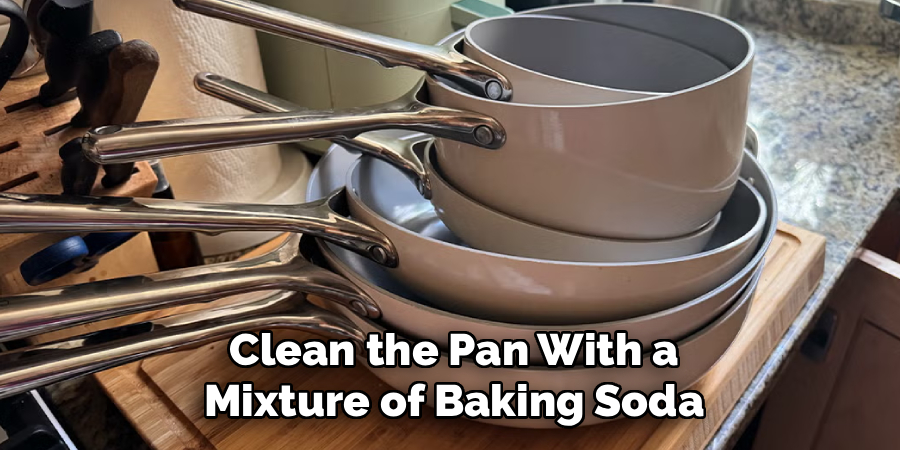
For occasional deep cleaning, particularly when dealing with burnt or stubborn residue, a gentle paste made of baking soda and water works wonders. Combine equal parts baking soda and water to create a thick paste, apply it to the affected area, and let it sit for about 10 minutes. Then, using a soft sponge, gently scrub in circular motions until the buildup lifts away. Rinse thoroughly with warm water. This method offers an effective way to clean without resorting to abrasive chemicals or damaging tools.
6. Clean the Exterior with Care
The exterior of Caraway pans is finished with a colorful, enamel-like coating that adds to their aesthetic appeal but can be prone to scratches and discoloration. To clean the outside, use a damp cloth or soft sponge with mild soap, avoiding abrasive cleaners or rough materials. If stains are present, a small amount of white vinegar diluted with water can help lift discoloration. Never use metal utensils, steel wool, or scouring powders on the outer surface, as these can erode the paint and ruin the appearance.
7. Dry the Pan Immediately After Washing
After rinsing, it is crucial to dry your Caraway pan thoroughly and immediately with a clean, soft towel. Leaving water to air dry on the surface can lead to water spots or mineral stains, especially in hard water regions. Drying the pan right after washing also helps prevent moisture from settling into any seams or rivets, which could eventually lead to corrosion. Proper drying maintains the longevity of both the interior coating and the pan’s structural integrity.
8. Never Use the Dishwasher
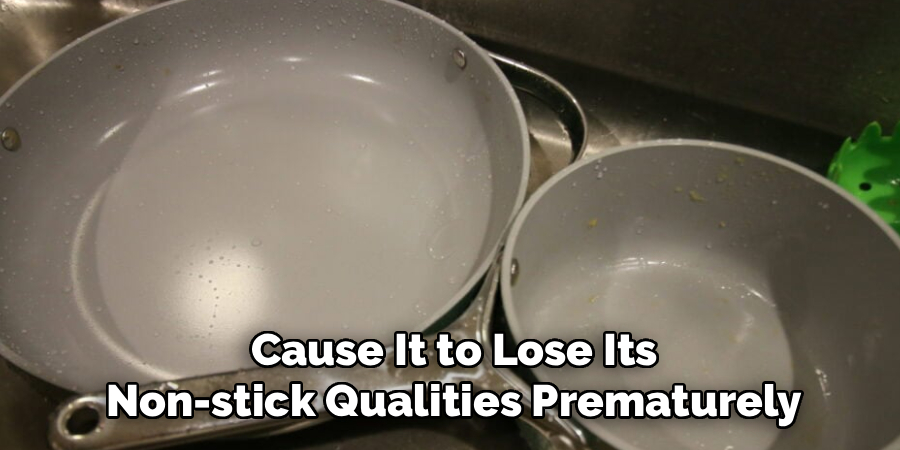
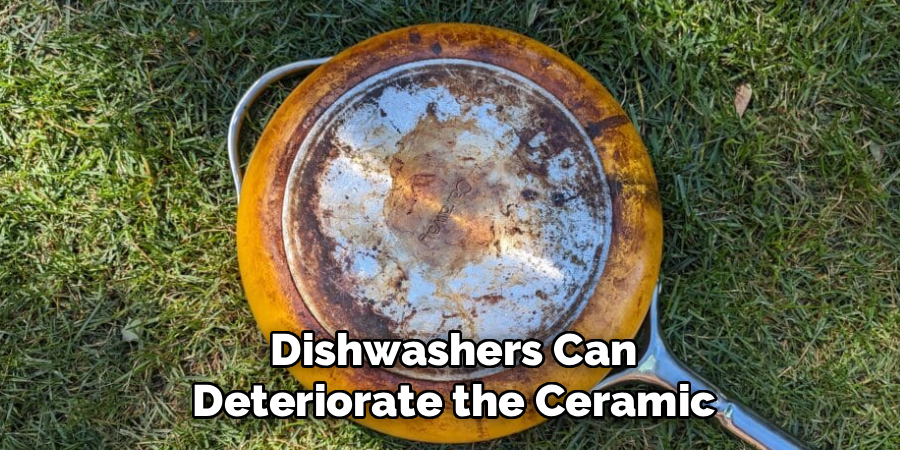
Even though some non-stick cookware is marketed as dishwasher-safe, Caraway explicitly recommends hand washing only. The high heat, aggressive water pressure, and abrasive detergents used in dishwashers can deteriorate the ceramic coating and cause it to lose its non-stick qualities prematurely. Always wash Caraway pans by hand to preserve their coating and keep them performing like new for years to come. The hand-washing process is relatively quick and easy thanks to the slick surface that resists sticking.
9. Clean Utensil Marks with a Melamine Sponge
Over time, light gray streaks or scratches may appear from metal utensils or hard water. Though they are often superficial, they can be unsightly. A melamine sponge—commonly known as a “magic eraser”—can effectively remove these marks without scratching the ceramic surface. Wet the sponge lightly, rub the marked area gently, then rinse and dry. Use this method sparingly, as excessive scrubbing—even with a melamine sponge—can gradually wear down the finish.
10. Perform Regular Maintenance to Keep the Pan in Top Condition
Routine care extends beyond post-cooking cleanups. Every few weeks, inspect your Caraway pan for signs of build-up, discoloration, or loss of non-stick performance. If you notice any stickiness or residue, consider performing a gentle deep-cleaning session using the baking soda method. Store the pans with protective pads or hang them to avoid scratching the surface during storage. By keeping up with this ongoing maintenance, you will help ensure that your Caraway pan continues to look beautiful and function at its best.
Safety Considerations
When using your Caraway pan, safety should always be a priority. Avoid overheating the pan, as extreme temperatures can damage the non-stick coating and compromise its performance. Always use medium to low heat settings for optimal cooking results. To protect the surface, use utensils made from silicone, wood, or other non-abrasive materials, as metal utensils can scratch or chip the coating. Handle the pan carefully when it is hot, and use oven mitts or pot holders to prevent burns. Lastly, ensure that the pan is placed securely on the stovetop to avoid accidents. Following these safety considerations will help you enjoy your cooking experience while preserving the quality of your cookware.
Troubleshooting Common Issues
Even with proper care, you may encounter a few common issues when using nonstick cookware. Here are some solutions:
- Food Sticking to the Surface: If food begins to stick, it could be due to overheating or insufficient oil. Ensure that the heat is kept at a moderate level and add a small amount of oil or butter before cooking. Additionally, check for wear on the nonstick coating, as damaged surfaces may lose their effectiveness.
- Scratches or Chips on the Coating: Scratches can occur if metal utensils are used, or the cookware is cleaned with abrasive scrubbers. To prevent further damage, switch to silicone or wooden utensils and clean the pan with a soft sponge. If the coating is severely chipped, it may be time to replace the cookware to avoid safety risks.
- Uneven Heating: Uneven cooking results may occur if the pan is not sitting flat on the stovetop. Check that the base of the pan is not warped and ensure it is used on an appropriate burner size for even heat distribution.
- Discoloration of the Surface: Discoloration is often the result of food residue or using high temperatures. To address this, clean the pan with a mixture of baking soda and water to remove residue and avoid overheating in the future.
By identifying and addressing these issues promptly, you can extend the lifespan of your nonstick cookware and maintain its performance.
Conclusion
Cleaning Caraway pans requires a thoughtful and careful approach that prioritizes preservation of their ceramic coating and aesthetic charm. From understanding the delicate nature of the materials, avoiding the dishwasher, using only non-abrasive tools, and incorporating baking soda and melamine sponges for deep cleaning, each step is designed to ensure long-lasting performance and beauty. Thanks for reading our blog post on how to clean caraway pans! We hope you found it helpful and informative.

About
Diane Lo is a distinguished figure in the world of kitchen innovation and culinary design, with over a decade of expertise creating functional and sustainable kitchen environments. Her professional focus lies in merging ergonomic spatial planning with modern culinary technology, fostering kitchen layouts that are both highly practical and aesthetically refined. As the lead expert at Kitchenub, Diane Lo delves into the art and science of kitchen organization, appliance selection, and workflow efficiency, inspiring home cooks and professional designers alike.
Education
Royal Melbourne Institute of Technology (RMIT University) (Melbourne, Australia) Associate Degree in Interior Design and Spatial Planning Focus on sustainable kitchen layouts, user-centric design, and ergonomic efficiency. Gained hands-on experience in high-traffic commercial kitchen modeling and advanced space-saving architecture.
Nottingham Trent University (United Kingdom) Bachelor’s in Product Design and Culinary Architecture (Honors) Specialized in the intersection of kitchen technology and lifestyle design. Participated in major industry collaborations, working with premium appliance manufacturers and cabinetry firms to gain real-world insights into modern kitchen workflows.
Publications and Impact
At Kitchenub, Diane Lo shares her expert insights on kitchen renovation processes, material durability, and strategies for achieving peak culinary productivity. Her writing effectively bridges the gap between professional culinary needs and home design, making it an essential resource for those looking to transform their kitchen into a highly efficient and welcoming heart of the home.