

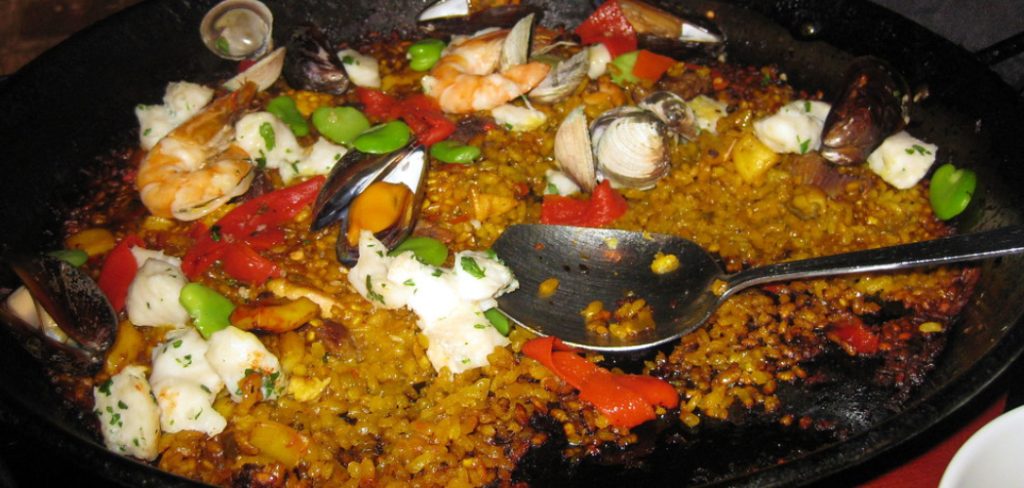
Cleaning a paella pan properly is essential to maintain its quality and ensure it lasts for years to come. Paella pans, often made of carbon steel, require specific care to prevent rust and preserve their unique cooking properties. Whether you use your pan occasionally or frequently, knowing the right cleaning methods will keep it in top condition and ready to prepare delicious meals. This guide explores the key aspects of how to clean paella pan.
Importance of Cleaning and Maintaining
Proper cleaning and maintenance of your paella pan are crucial for several reasons. Regular cleaning helps to prevent food residues from sticking, which can deteriorate the pan’s surface over time. For carbon steel pans, maintenance is especially important to avoid rust formation, as this material is prone to oxidation if not cared for properly.
Keeping your paella pan clean also ensures that flavors from previous dishes do not interfere with the taste of your next meal, allowing each recipe to shine. Additionally, by maintaining the pan’s seasoning—a protective layer built up over time—you enhance its non-stick properties and improve its heat distribution, which is vital for cooking an authentic, evenly prepared paella. Investing time in maintaining your pan ensures it remains a reliable tool in your kitchen for years to come.
Identify Your Paella Pan Material
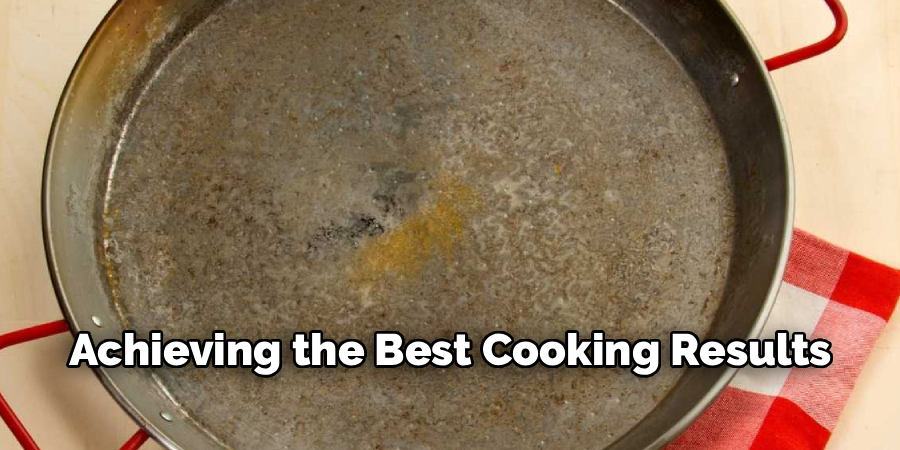
Understanding the material of your paella pan is crucial for maintaining it properly and achieving the best cooking results. Traditional paella pans are often made of carbon steel, which is loved for its excellent heat conductivity and authentic cooking properties. However, carbon steel requires regular seasoning and upkeep to prevent rust. Stainless steel pans, on the other hand, are easier to maintain and resistant to corrosion, though they may not distribute heat as evenly.
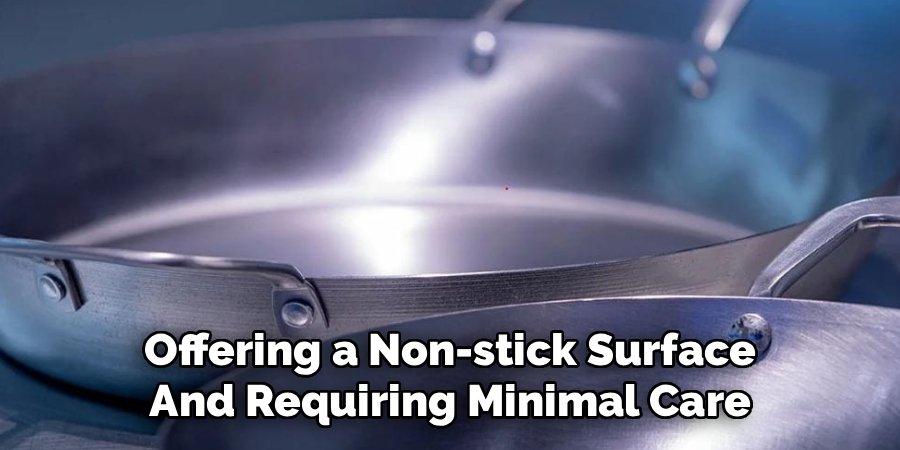
Enameled pans combine convenience and style, offering a non-stick surface and requiring minimal care, but they may not provide the same authentic cooking experience as carbon steel. Finally, non-stick or cast iron variants are available for ease of use but may alter the texture or characteristics of a traditional paella. Selecting the right material depends on your cooking preferences, maintenance routine, and how authentic you want your paella-making experience to be.
10 Methods How to Clean Paella Pan
1. Clean Immediately After Use to Prevent Stubborn Residue
One of the most effective methods to maintain a clean paella pan is to wash it promptly after use. Allowing food remnants, especially the socarrat (the crispy bottom layer), to sit for too long can make cleanup considerably harder. Once the pan has cooled enough to handle safely, scrape off loose food particles using a soft spatula or wooden spoon. The longer residue remains on the surface, the more it hardens, making it resistant to regular cleaning methods. A prompt rinse with warm water loosens food and makes subsequent cleaning far easier while preserving the condition of the pan.
2. Use Warm Water and Mild Dish Soap
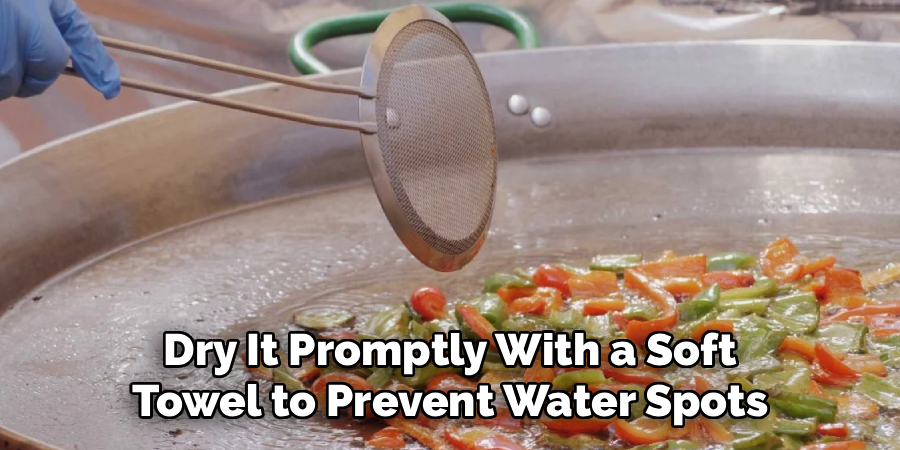
Warm water combined with a mild, non-abrasive dish soap is ideal for cleaning most types of paella pans, especially stainless steel or enamel-coated ones. Fill the pan with warm soapy water and let it soak for a few minutes to soften any stuck-on food. Then use a soft sponge or cloth to gently scrub the surface. Avoid using steel wool or harsh scouring pads as they can scratch the pan, particularly non-stick or enameled finishes. Thoroughly rinse with clean water and dry it promptly with a soft towel to prevent water spots and rusting.
3. Soak with Baking Soda for Tough Stains
When food is severely burnt or has left behind greasy, stubborn stains, soaking the pan with a mixture of warm water and baking soda can be incredibly effective. Sprinkle a generous amount of baking soda over the bottom of the pan and fill it with just enough water to cover the affected areas. Let it sit for 30 minutes to an hour. Baking soda naturally breaks down food grime and neutralizes odors. After soaking, scrub gently with a non-scratch sponge to remove loosened debris. This method is safe for most pan materials and enhances their shine without causing damage.
4. Use Vinegar for Burn Marks and Discoloration
Vinegar, particularly white distilled vinegar, works wonders for removing burn marks and discoloration from stainless steel paella pans. To use, pour a cup of vinegar into the pan and heat it gently on the stove for a few minutes. As it warms, the vinegar helps lift away burnt food and residue. Turn off the heat and let the pan sit for 10–15 minutes before scrubbing it clean. Rinse thoroughly afterward to eliminate any lingering vinegar odor. This acidic method restores brightness to dull or discolored pans and keeps them looking nearly new.
5. Avoid the Dishwasher for Carbon Steel and Cast Iron Pans
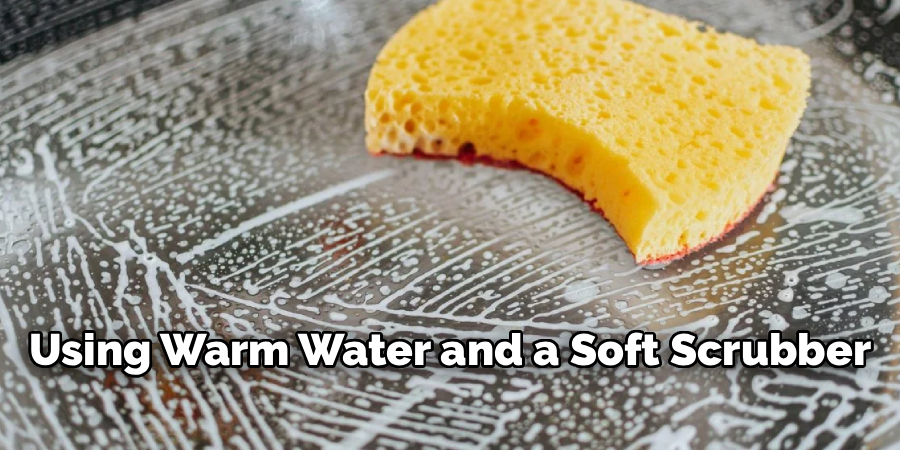
While some enamel or stainless steel paella pans are technically dishwasher-safe, carbon steel and cast iron varieties should never be placed in the dishwasher. The harsh detergent and high water pressure can strip away the seasoning, promote rust, and shorten the pan’s lifespan. Instead, clean these pans by hand using warm water and a soft scrubber. If necessary, add a few drops of mild soap, though many purists prefer to avoid soap altogether to preserve the pan’s seasoned surface. Always ensure these types of pans are dried immediately to prevent corrosion.
6. Use a Potato and Salt Scrub for Natural Cleaning
For an eco-friendly, natural way to clean a paella pan, especially cast iron or carbon steel versions, use a halved raw potato and coarse salt. Sprinkle coarse sea salt into the pan, then use the potato (cut side down) to scrub the surface in circular motions. This combination acts as a gentle abrasive that lifts residue without scratching the metal. The potato’s natural starch helps break down grease, while the salt scrubs away food particles. This method is surprisingly effective and leaves no chemical residue, making it ideal for those sensitive to detergents.
7. Re-season After Cleaning Carbon Steel or Cast Iron Pans
After thoroughly cleaning carbon steel or cast iron paella pans, it’s essential to re-season them to maintain their non-stick properties and prevent rust. Once the pan is dry, apply a thin layer of vegetable oil or flaxseed oil using a paper towel. Heat the pan on the stove or in the oven for a few minutes until the oil begins to polymerize and create a protective layer. Let it cool and wipe off any excess oil. Regular seasoning enhances the pan’s performance and ensures longevity, making this step critical for traditional paella cookware.
8. Store Properly to Prevent Moisture Buildup
Proper storage after cleaning is just as important as the cleaning process itself. Always ensure the paella pan is completely dry before putting it away. For carbon steel pans, consider placing a paper towel or cloth inside the pan to absorb any ambient moisture. Store the pan in a dry, well-ventilated cabinet or hang it to allow air circulation. Avoid stacking it with damp cookware. Some people rub a light layer of oil on the surface before storage, especially in humid environments, to prevent rust and maintain the seasoning.
9. Use Bar Keeper’s Friend for Restoring Shine
If your paella pan—particularly stainless steel—has become dull or tarnished, a gentle cleanser like Bar Keeper’s Friend can restore its original shine. Apply the powder or liquid cleaner according to the instructions, using a damp sponge or cloth to rub it gently in the direction of the grain. Let it sit for a minute or two before rinsing thoroughly. This cleaner effectively removes stains, tarnish, and even some minor scratches. It’s ideal for giving your pan a polished, professional appearance, especially before special occasions or storing it long-term.
10. Practice Preventative Measures While Cooking
The final and often overlooked method of cleaning a paella pan is actually about prevention. Use medium heat rather than high to avoid burning food onto the surface. Stir regularly to prevent food from sticking, and avoid using metal utensils that could scratch and damage the pan’s coating. Lightly oil the surface before adding ingredients to help create a natural barrier against residue. Taking care while cooking reduces the need for aggressive cleaning techniques later, ultimately preserving the quality and appearance of your paella pan for years to come.
Troubleshooting Common Issues
Even with proper care, you may encounter some common issues while using your paella pan. Here are a few tips to address them:
- Sticking Food: If food sticks to the surface, it may be due to insufficient oiling or overheating. To fix this, soak the pan in warm soapy water for a few minutes to loosen the residue, then gently scrub with a non-abrasive sponge. Ensure the pan is properly preheated and lightly oiled before use next time.
- Rust Formation: Rust can occur if the pan is not dried thoroughly after washing or stored in a humid environment. Remove rust by scrubbing gently with a mixture of baking soda and lemon juice or white vinegar. Rinse, dry completely, and apply a thin layer of oil before storage.
- Uneven Cooking: Uneven heat distribution might happen if the pan doesn’t sit flat on the cooking surface. Ensure the base is clean and free of debris before placing it on the heat. For gas stoves, adjust the flame to cover the pan evenly.
- Discoloration: Over time, paella pans may develop discoloration due to heat exposure. This is normal and doesn’t affect performance, but if you wish to restore the pan’s appearance, a baking soda paste can help polish the surface.
By addressing these issues promptly and maintaining good habits, you can keep your pan in optimal condition for crafting delicious paella dishes.
Conclusion
Cleaning a paella pan doesn’t have to be a chore if the proper techniques are used consistently. From immediate washing and natural cleaning agents like baking soda and vinegar, to protective aftercare like seasoning and proper storage, these ten methods cover every aspect of paella pan maintenance. Thanks for reading our blog post on how to clean paella pan! We hope you found it helpful and informative.

About
Diane Lo is a distinguished figure in the world of kitchen innovation and culinary design, with over a decade of expertise creating functional and sustainable kitchen environments. Her professional focus lies in merging ergonomic spatial planning with modern culinary technology, fostering kitchen layouts that are both highly practical and aesthetically refined. As the lead expert at Kitchenub, Diane Lo delves into the art and science of kitchen organization, appliance selection, and workflow efficiency, inspiring home cooks and professional designers alike.
Education
Royal Melbourne Institute of Technology (RMIT University) (Melbourne, Australia) Associate Degree in Interior Design and Spatial Planning Focus on sustainable kitchen layouts, user-centric design, and ergonomic efficiency. Gained hands-on experience in high-traffic commercial kitchen modeling and advanced space-saving architecture.
Nottingham Trent University (United Kingdom) Bachelor’s in Product Design and Culinary Architecture (Honors) Specialized in the intersection of kitchen technology and lifestyle design. Participated in major industry collaborations, working with premium appliance manufacturers and cabinetry firms to gain real-world insights into modern kitchen workflows.
Publications and Impact
At Kitchenub, Diane Lo shares her expert insights on kitchen renovation processes, material durability, and strategies for achieving peak culinary productivity. Her writing effectively bridges the gap between professional culinary needs and home design, making it an essential resource for those looking to transform their kitchen into a highly efficient and welcoming heart of the home.